|
|
|
|
|
|
 |
In this edition, our top story takes you to an exquisite Sake dinner we recently hosted at Torii by Gauri Khan in Mumbai. The restaurant’s avant-garde cuisine paired beautifully with a selection of fine Sakes and a Soju, creating a memorable culinary experience.
|
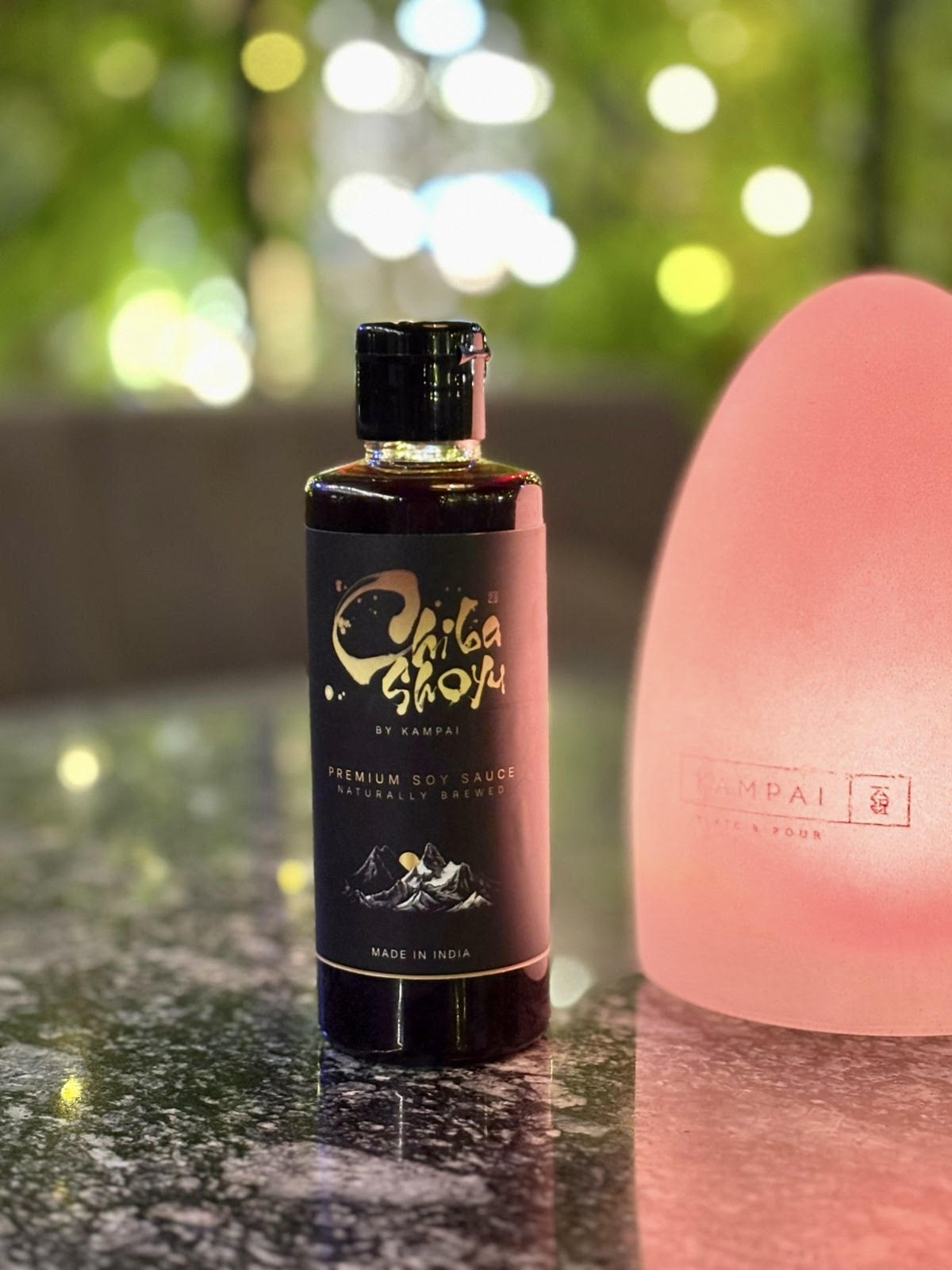
India’s Sake scene is evolving rapidly, and so is the “beyond” aspect of our mission. A feature on India’s first authentic Japanese Shoyu (soy sauce) illustrates this expansion, showcasing the growing appreciation for Japanese flavors across the country.
|
| Rounding out the issue, we share a video of a special Frozen Sake that we opened during Diwali —a celebration to mark this festive season. |
|
|
|
|
|
India Diary
Sake Dinner at Torii by Gauri Khan Mumbai
|
 |
|
|
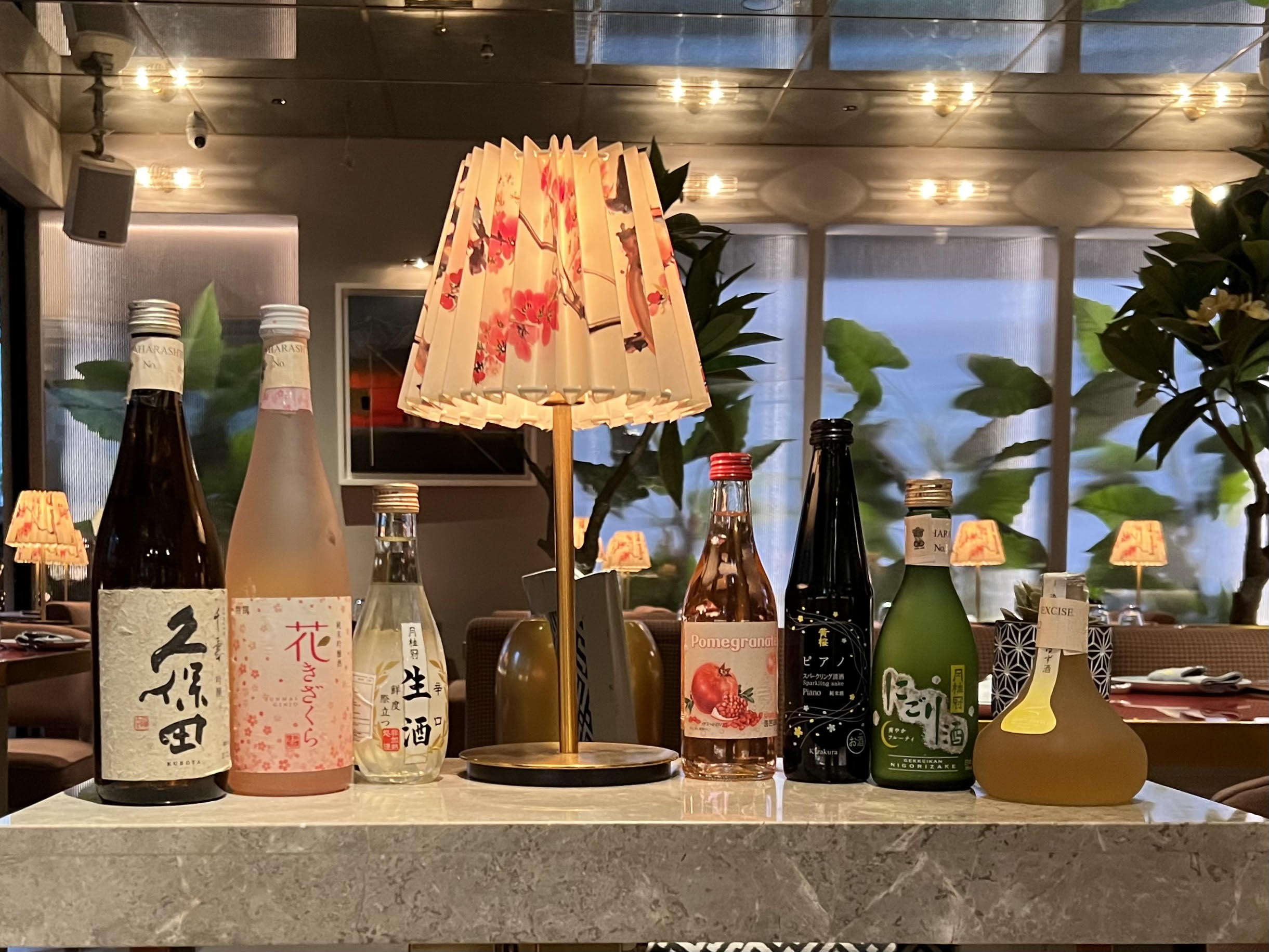
Sake’s journey in India took an exciting step forward at Torii by Gauri Khan Mumbai, where we recently hosted an exclusive Sake evening in collaboration with the restaurant’s acclaimed culinary team.
The event brought together sake enthusiasts and newcomers alike, who experienced distinctive styles of sake amid a beautiful synergy of food and drink..... |
|
|
|
|
|
Launch
First Authentic Japanese Shoyu of India
|
| India’s culinary scene has reached an exciting new frontier, thanks to an ambitious project led by Kampai, a reckonable name in the Indian restaurant industry. In a first for the nation, authentic Japanese soy sauce called Chiba Shoyu is now being produced locally. This development marks a historic moment in Indo-Japanese collaboration....... |
|
|
|
|
|
|
Knowledge Bytes
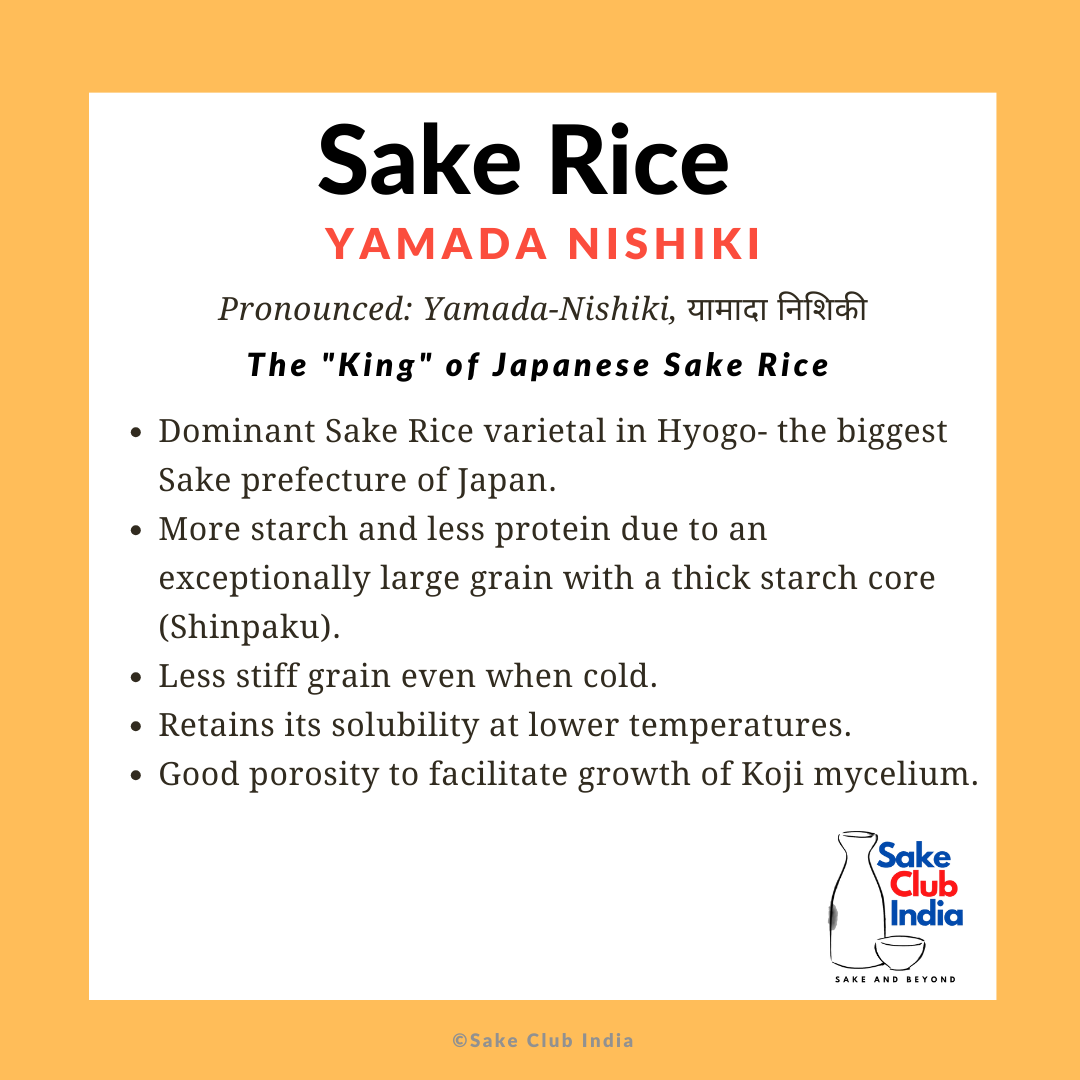
| Yamadanishiki, known as the “King of Sake Rice,” is prized for its large, soft grains with a starchy core (shinpaku), ideal for creating premium sake with refined, floral, and umami-rich notes. Primarily grown in Hyogo Prefecture, it requires meticulous cultivation and reflects Japan’s deep heritage and dedication to sake craftsmanship. Here is a graphic that lists out the “must know” aspects of this prized Sake rice. Feel free to save it on your device. |
|
 |
|
Global Diary
Meet Doburoku- Sake’s ancestral drink
|
|
|
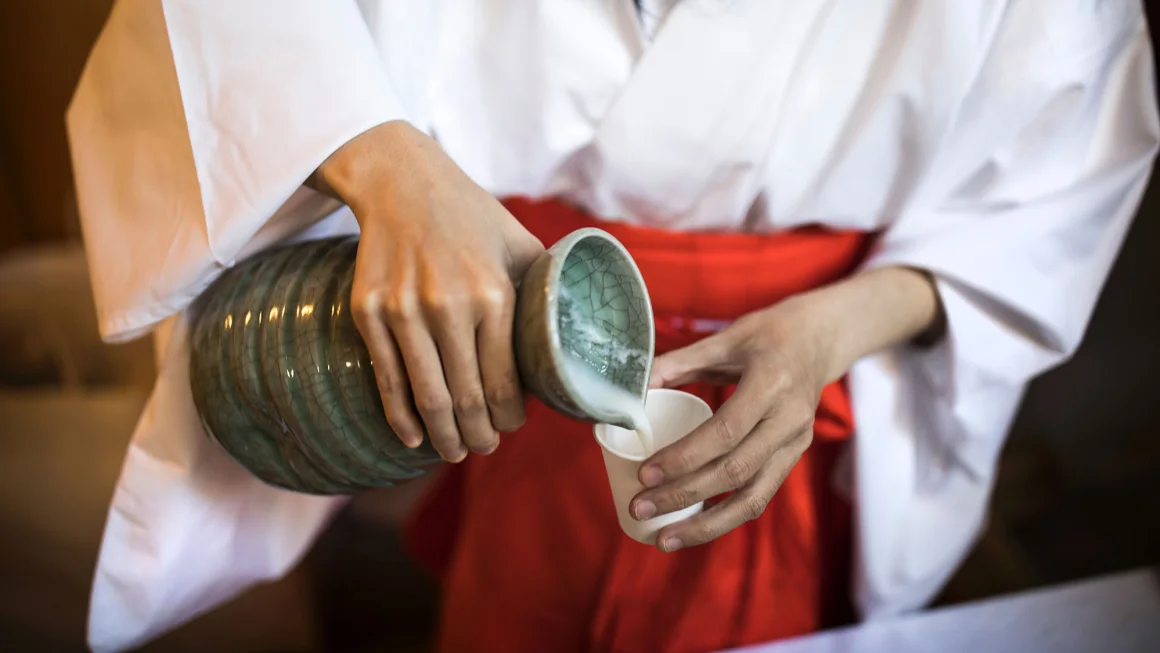
| Sake’s ancestral drink Doburoku is making a come back of sorts in Japan. Typical sake calls for a yeast starter, called shubo, and adding three main ingredients –steamed rice, koji (mouldy rice fungus) and water – over a period of days. |
| However, when making doburoku, all ingredients are simultaneously put with the yeast starter, causing the resulting mixture to be comparatively overflowing with sugars. The sugars then start to break down the yeast, which halts fermentation much earlier on. Ultimately, what remains is a sweeter liquid with a much lower alcohol, formally known as doburoku. |
|
|
|
|
|
|
|
Our Diwali Sake was Super Special!
|
We were fortunate to open this exclusive frozen sake from the Dewazakura brewery in the Yamagata prefecture of Japan..
|
The sake- a Junmai Daiginjo is flash-frozen at the peak of freshness to preserve its nuanced flavours. It comes across as a delicate, premium sake with vibrant, floral aromas and crisp, clean taste..
|
The sake was personally gifted to us by the brewery owner Mr. Masumi Nakano, who came to visit India on a business engagement. As if it were not privilege enough, our sense of honour multiplied manifold upon realising that transporting such Sake in a frozen state may not be everybody’s cup of sake.
|
|
Dewazakura Junmai Daiginjo Frozen Sake
|
|
|
|
|
|
|
|
|