|
|
|
|
|
|

|
I begin with sharing an exciting news: Traditional Japanese knowledge and skills used in the production of sake and shochu have been officially recognized by UNESCO as part of its Intangible Cultural Heritage list!
|
This milestone marks Japan’s 23rd entry on the list and is set to enhance the global profile of sake and distilled Japanese beverages. A big win for Japanese culture and a delightful opportunity for enthusiasts worldwide !
|
Now, onto this issue: we’re spotlighting the impressive participation of Japanese alcoholic beverage brands in their largest-ever showcase in India at the Japan Pavilion during Prowine Mumbai 2024. Japanese spirits are creating waves in India, and we couldn’t be more thrilled to share the details.
|
Winter has arrived in India, and it’s the perfect season to enjoy warm sake—or *kan sake,* as it’s called in Japanese. Our featured article will guide you through the art of savoring warm sake, ensuring you get all the nuances just right. And as a special treat, don’t miss our video demonstrating how kan sake pairs beautifully with Indian cuisine.
|
|
These and more in this issue until we meet in the New Year.
|
Wish you a Merry X-Mas and a very Happy New Year in advance!
|
|

|
|
|
|
|
India Diary
|
|
|
|
|
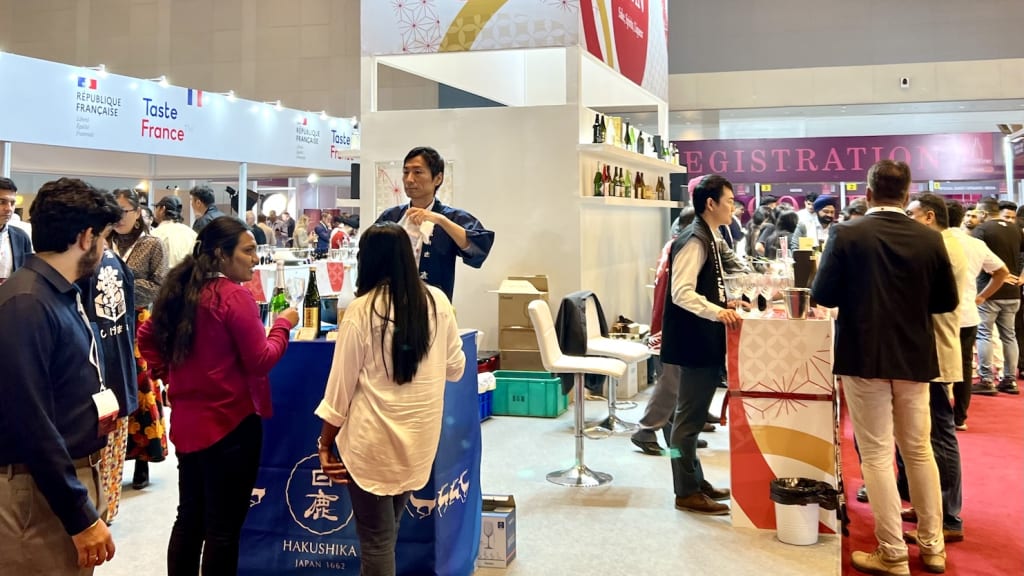
The Japanese Pavilion at ProWine Mumbai 2024 set a new benchmark as the largest-ever showcase of Japanese drinks in India. Featuring an impressive array of renowned sake brands alongside Shochu, Awamori, liqueurs, and more, the pavilion offered a deep dive into Japan’s rich beverage heritage.
|
|
|
|
|
|
Sake Service
|
|
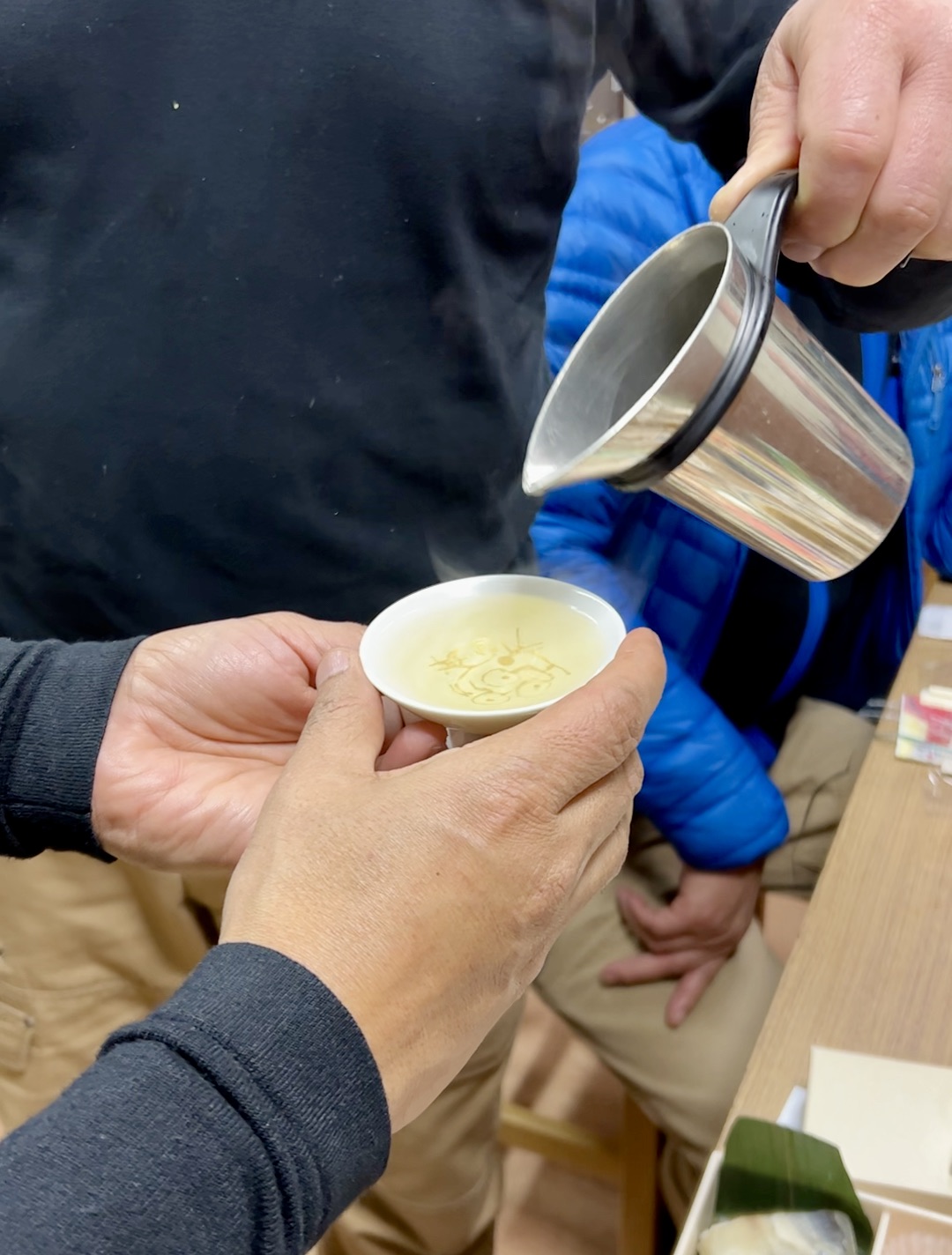
Sake works like a chameleon when it comes to variability in service temperatures.
|
Our latest article discusses what is Kan or warmed Sake, and which all Sakes can we typically serve warm.
|
|
P.S. Don’t forget to watch the video of our favourite warm Sake pairing towards the end of this newsletter.
|
|
|
|
|
|
|

|
Knowledge Bytes
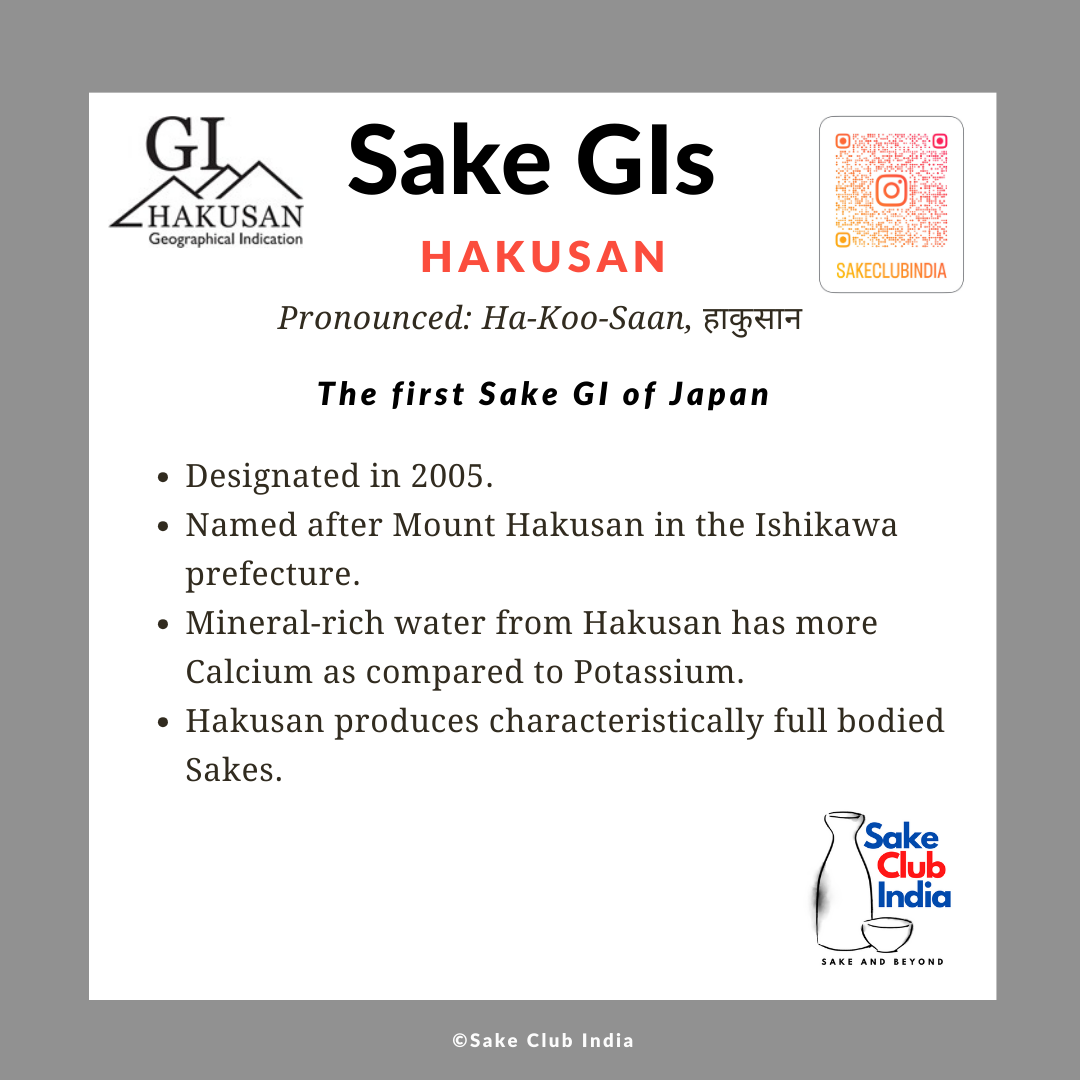
As on date there are 18 Geographical indications (GIs) for Sake (source: National Tax Agency Japan) that etch its footprint firmly in the realm of beverages. But did you know which is the first ever GI for Japanese Sake? Here's Hakusan for you.
Please feel free to download and share.
|
|
|
|
Global Diary
|
03-Dec-2024 by Audrey Yow
|
|
|
|
|
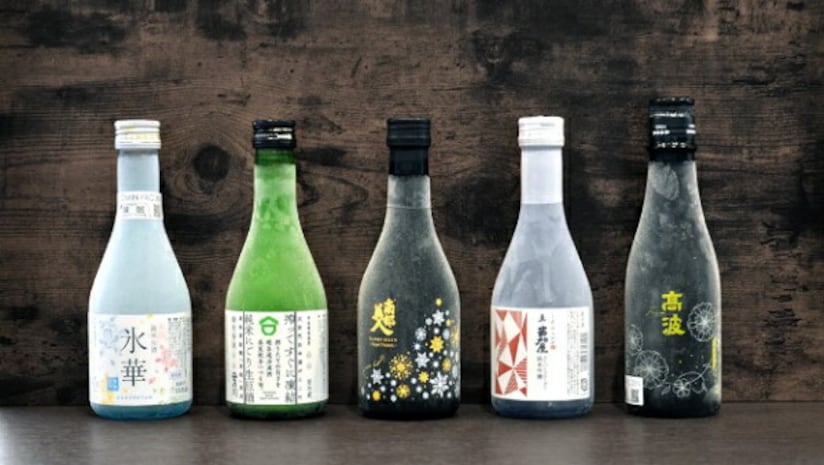
A revolutionary process that preserves unpasteurised sake for year-round consumption could revitalise an industry facing competitive pressures from both domestic and international alternatives.
|
|
|
|
|
|
|
|
|
|
A lot of fuss is raised about food and drink pairing, be it wine, whisky or sake. But it is not as complicated as it is made out to be, provided some basics are followed.
|
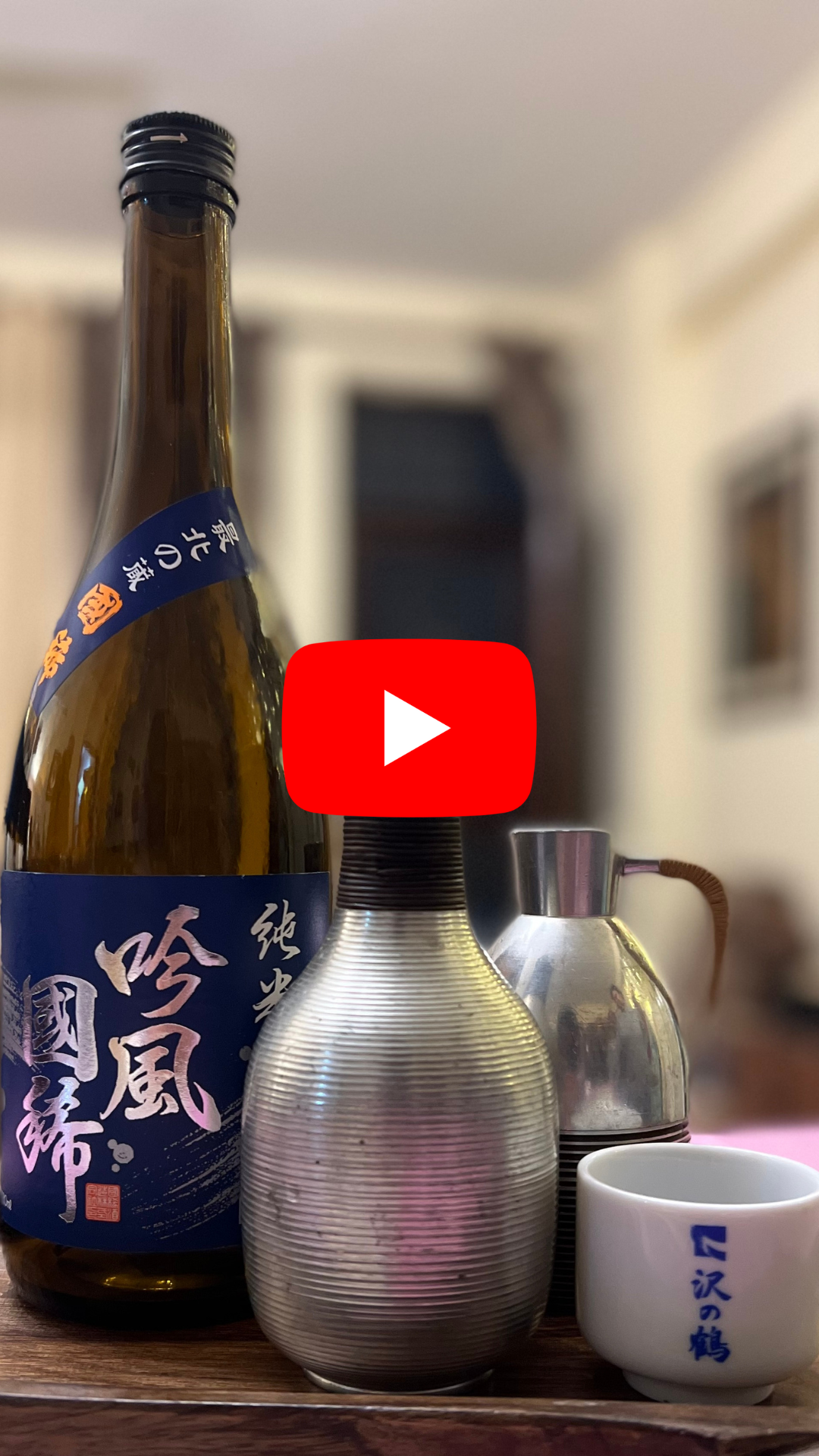
Here for example is a pairing of Indian mutton dish called Nihari with a warm Junmai Sake. The Umami-Umami compatibility of both could surely be a subject of fables!
|
For the uninitiated, Nihari is a slow-cooked Indian mutton stew, seasoned with aromatic spices and enriched with bone marrow for a luscious, flavourful texture. Originating in 18th-century Mughal kitchens of Old Delhi, it was a royal breakfast dish, served after morning prayers. It is typically served with Khameeri Roti- a fermented flatbread, every morsel of which soaks in the stew beautifully.
|
|
Food Courtesy: Smita Joshi- Chef de Cuisine Sake Club India)
|
|
|
Sake: Junmai Ginpu Kunimare
|
|
|
|
|
|
|
|