

Sake is a uniquely versatile beverage, with some types offering the flexibility of serving at different temperatures. Unlike most beverages, the same sake can reveal distinct aromas and textures whether chilled, room temperature, or gently warmed. This adaptability makes warm sake a comforting yet sophisticated choice, especially during cooler months.
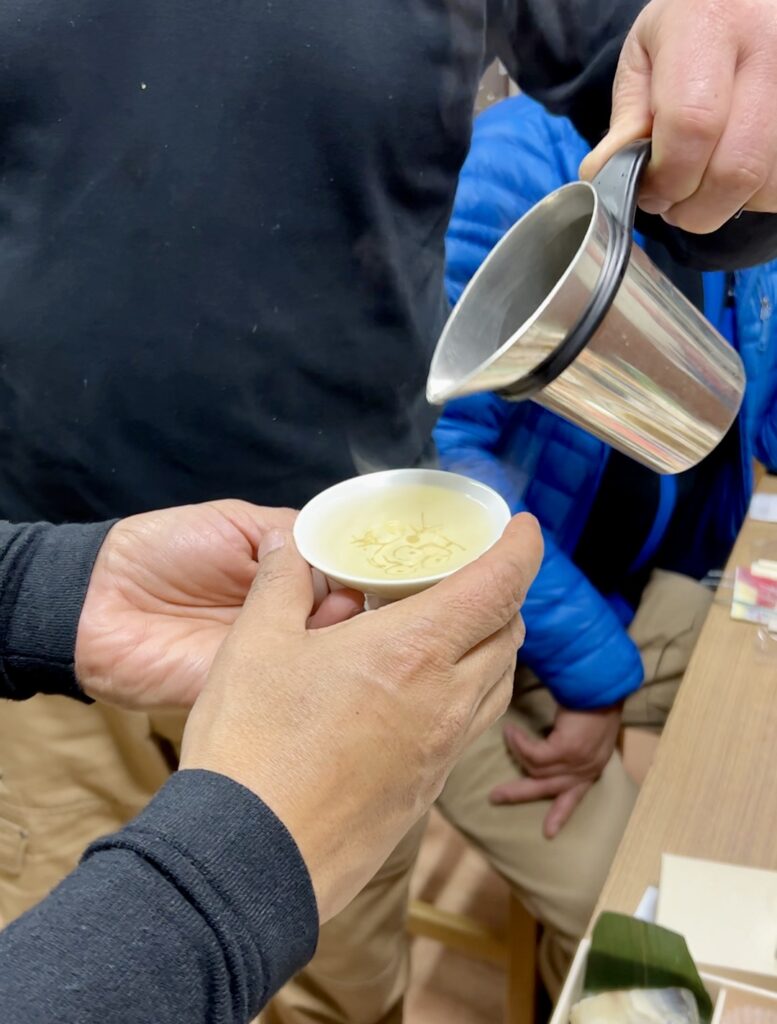
Warm sake, or kanzake (燗酒), is a cherished Japanese tradition that dates back centuries. Originating in the Heian period (794–1185), this practice was initially used to make sake more enjoyable in colder seasons and has evolved into a nuanced art form that reveals the drink’s depth and versatility.
Temperature Variations for Warm Sake
The ideal temperature for warming sake depends on the style and desired flavor profile. The common serving temperature ranges are:
- Jo-on (20°C / 68°F): Barely warm, enhancing the impression of softness.
- Nuru-kan (40°C / 104°F): Mildly warm, enhancing sweetness and umami.
- Jo-kan (45°C / 113°F): Moderately hot, highlighting robustness and softening acidity.
- Atsukan (50°C / 122°F): Hot, reducing bitterness and emphasizing bold flavors.
Warming sake not only transforms its texture but also reduces the perception of bitterness, making it smoother and more approachable. Heat also enhances a sake’s umami and balances acidity, creating a rich and comforting experience.
Which Sake is best for heating?
The thumb rule is that fuller bodied Umami rich Sakes- most commonly Junmai– are best suited for heating. Extend this logic to sake produced using traditional methods like Kimoto and Yamahai, and the warming game reaches another level. Sake styles such as Genshu (undiluted) and Nigori (cloudy sake) also take well to heating.
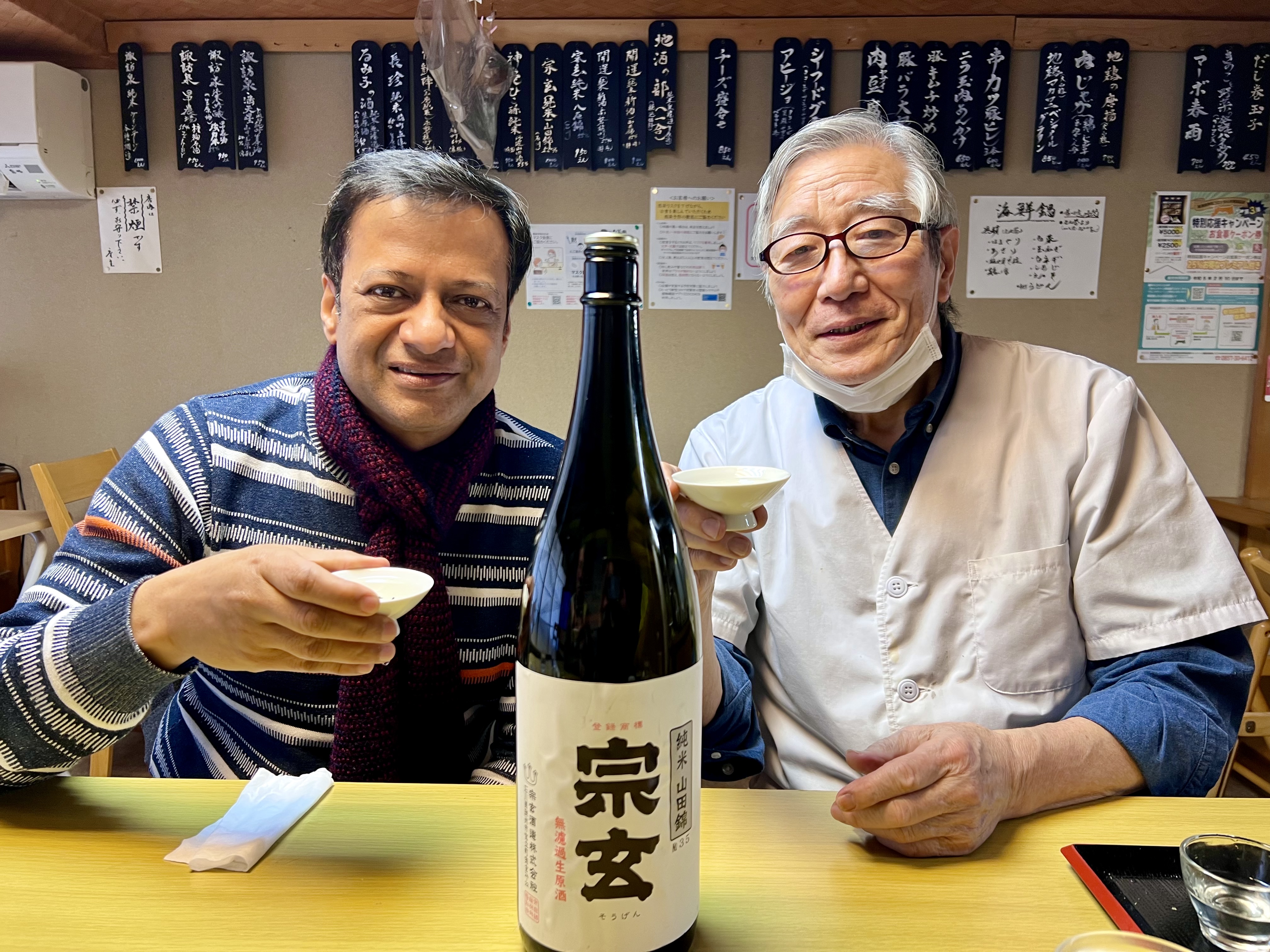
It is interesting to note that Ginjo sakes, that are traditionally served chilled to preserve their fruity and floral notes, can also benefit from gentle warming if they have been kept for a year or more, thus developing a pronounced umami profile. Aging often brings out earthy, savory characteristics in these premium sakes, which respond beautifully to mild heating.
Serving Ware for Warm Sake
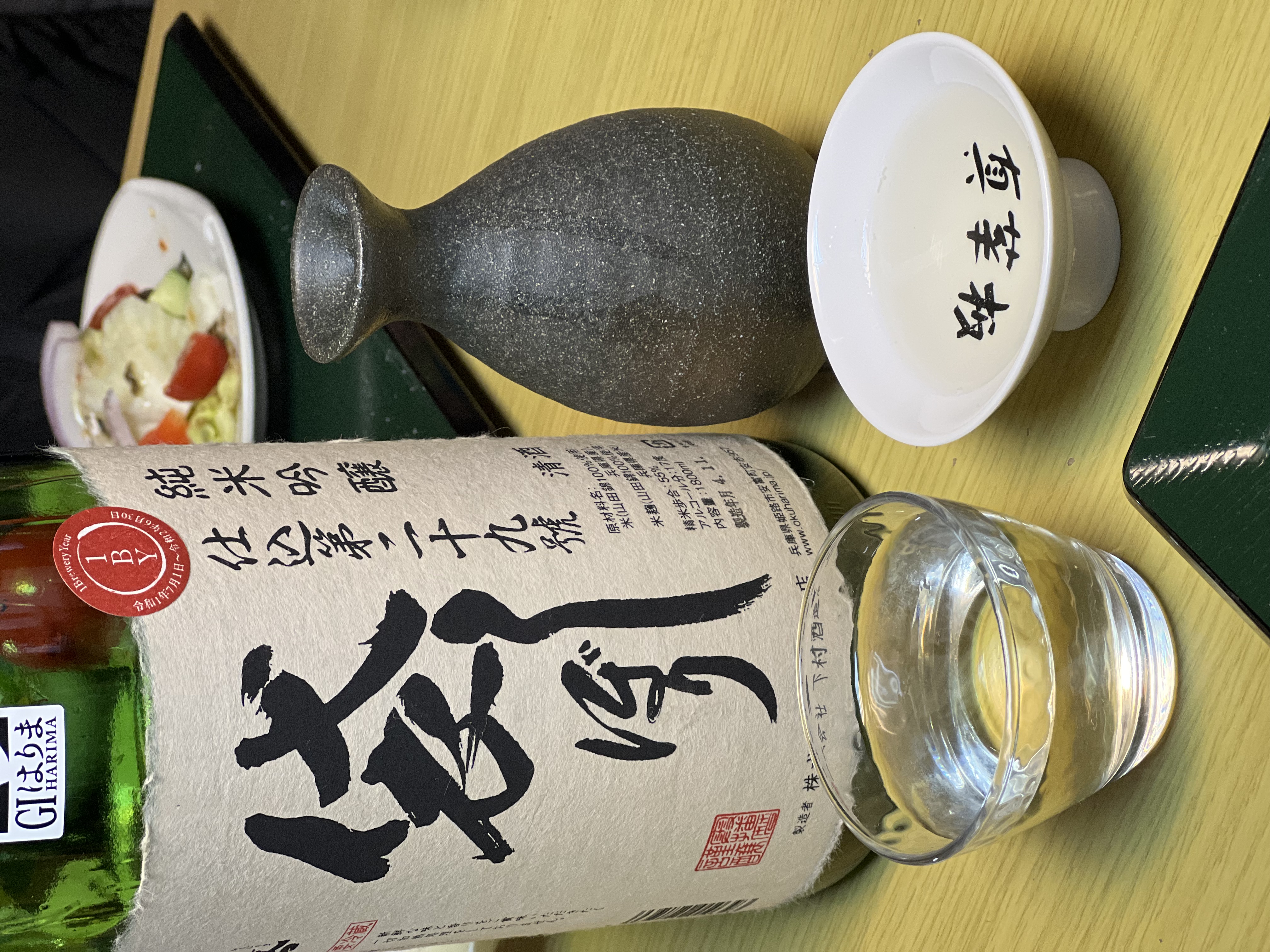
The right serving ware elevates the experience of kanzake. Classic Tokkuri (ceramic flasks) are ideal for warming and serving, while Chirori (tin flasks) are used more in a highly professional scenario. Rough-textured ceramic cups enhance the tactile connection to warm sake. There are also the shallow saucer-like Hirahai cups that allow the sake’s warmth and aroma to fully unfold.
Warming Sake at Home
Warming sake at home is simple and you can do so easily. Pour the sake into a heat-safe container, such as a tokkuri, and place it in a sufficiently deep pot of hot water so as to immerse the tokkuri upto its neck. Heat gently for 2-3 minutes, checking the temperature with a thermometer or by touch. This method ensures even heating without risking overheating, which can compromise delicate flavors.

Embracing kanzake reveals a world of flavors and aromas unique to warmed sake. Whether indulging in a gently heated aged ginjo or a robust junmai, this practice brings warmth to both the drink and the occasion.

