|
|
|
|
|
|

|
This October marks a special milestone—one year of the Sake Club India Newsletter! Over the past twelve months, we’ve journeyed through sake stories that connect Japan and India, tradition and innovation, glass and grain.
|
|
Fittingly, this anniversary edition celebrates both continuity and growth. From the vibrant World Sake Day 2025 celebrations at Kofuku Delhi to our expanding presence at ProWine Mumbai 2025, the sake movement in India continues to build momentum—mirroring Japan’s own record rise in global sake exports.
|
|

|
As the new brewing year begins, our video on rice processing revisits the essence of sake-making—where every polished grain shapes the brew’s soul. We also spotlight Iwate Prefecture, a newly recognized GI, also home to Kikuno Tsukasa, one of the standout breweries participating in our Prowine booth.
|
Here’s to another year of discovery, craftsmanship, and community.
|
|

|
|
|
|
|
India Diary
|
|
|
|
|
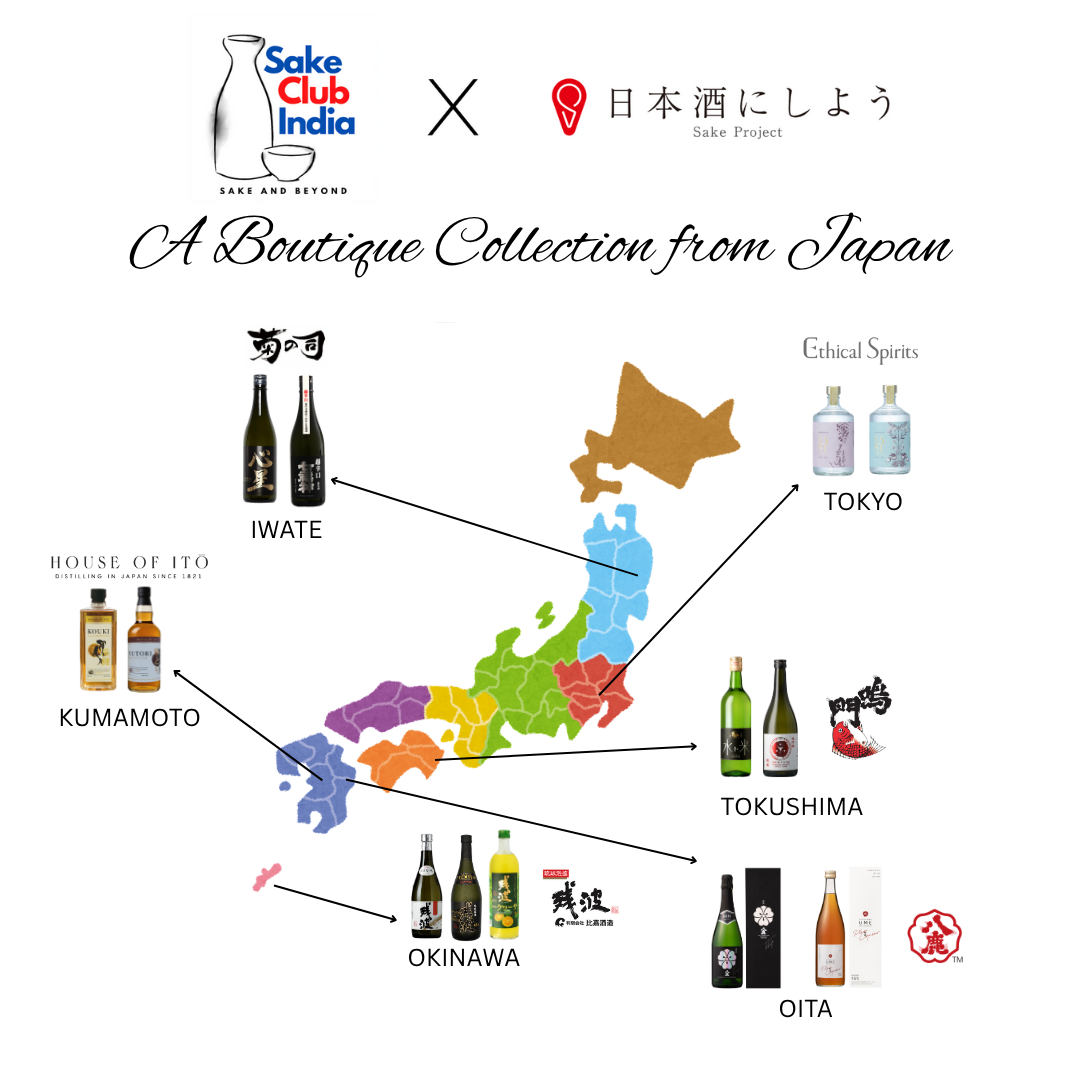
After the buzz generated by our announcement earlier this year, more brands have decided to join the SCI-NIHONSHUNISHIYO booth at ProWine Mumbai 2025. This takes the total number of producers to six, with several inspiring labels from each.
|
|
|
|
|
Culture
|

|
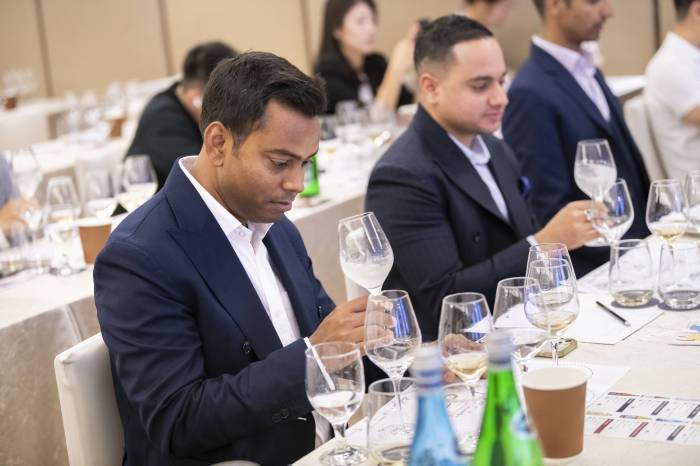
Sake Club India has been leading the World Sake Day celebrations in India since 2020.
We hosted this year’s edition in collaboration with Kofuku Delhi as one of the most memorable World Sake Day celebrations in India to date.
|
|
|
|
|
|
|

|
Knowledge Bytes
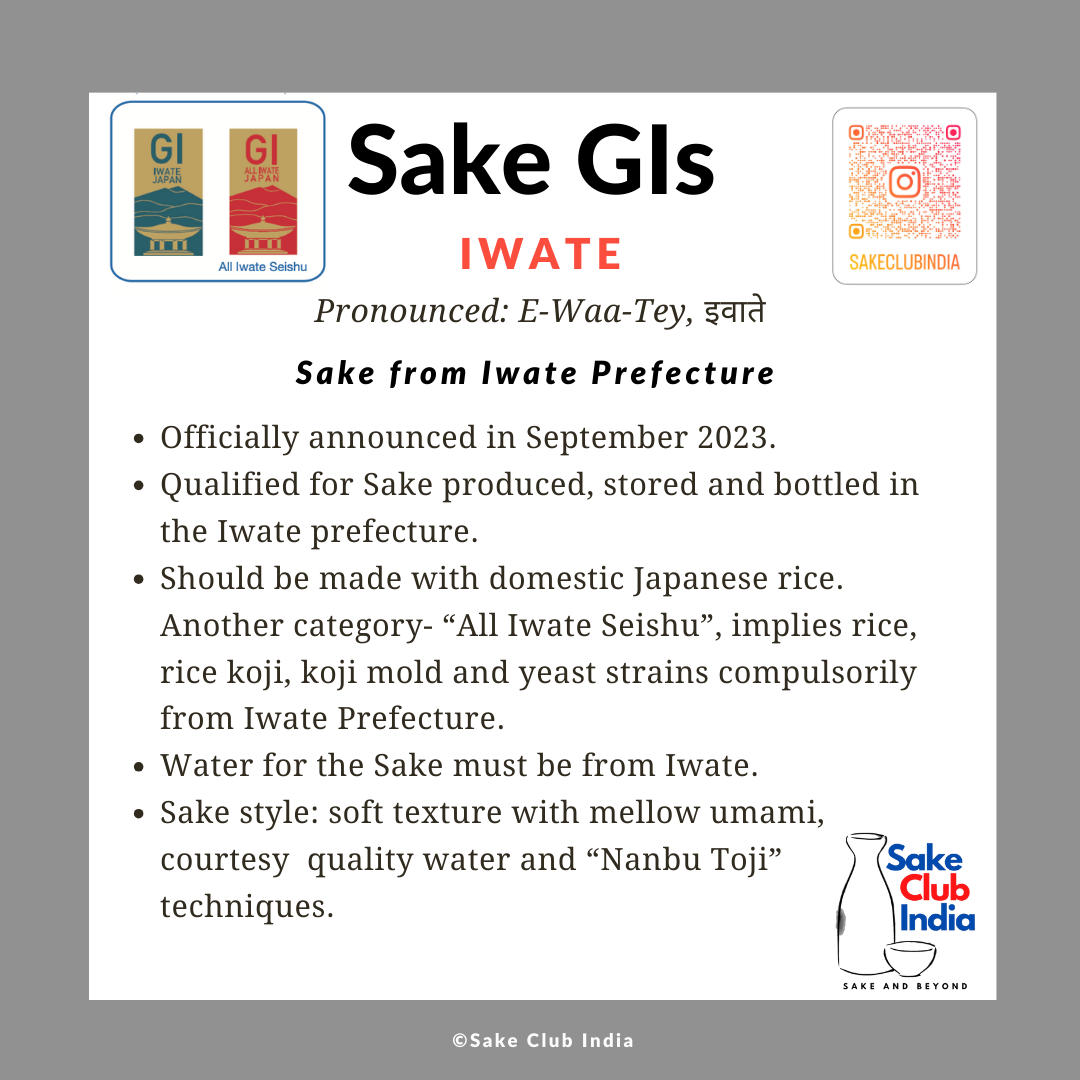
Sake GIs: Iwate
|
Iwate, in Japan’s scenic Tōhoku region, is famous for its pure water, quality rice, and cold climate — all perfect for brewing sake. Quite recently recognized as a Geographical Indication (GI), Iwate sake stands out for its clean, refined taste and rich tradition. This mark ensures that every bottle truly reflects the character of its birthplace.
|
|
|
|
|
News Update
Curated
|
|
Vinetur.com | Oct 04, 2025
|
|
|
|
|
While domestic consumption of sake has fallen in Japan, international interest in it has grown sharply. In 1988, Japanese sake exports totalled about 2.2 billion yen to 50 countries and regions. By 2024, exports had reached approximately 43.5 billion yen to 80 countries and regions.
|
|
|
|
|
|
Video
|
|
|
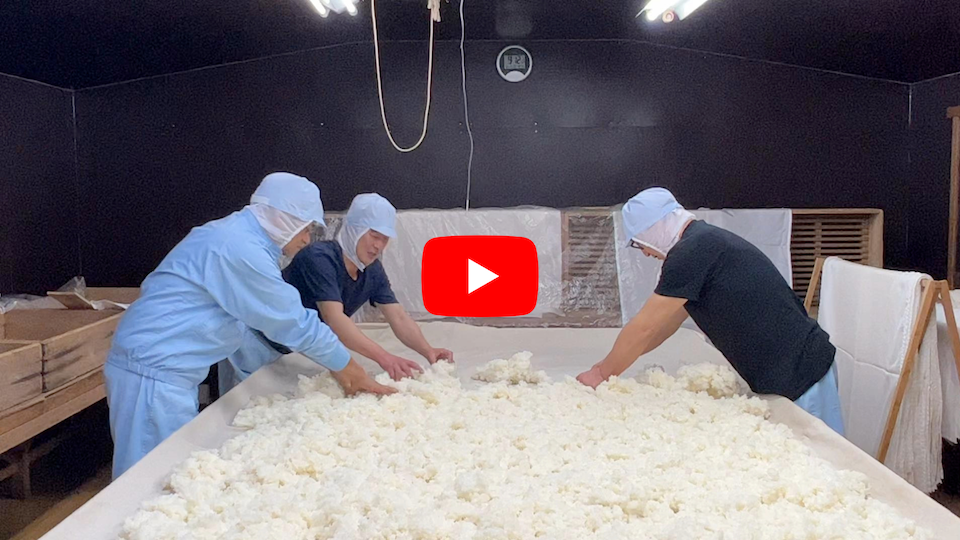
Rice is the very heart of sake. From its starchy core to its polished surface, rice defines the drink’s character, aroma, and balance. The degree of rice polishing (seimaibuai) exposes the inner starch, which the koji mold transforms it into fermentable sugars. For a quality sake, rice’s water absorption, texture, and purity influence play very important roles.
|
|
In my firsthand experience of working with rice at sake breweries in Japan, I have seen how meticulous handling of rice, along with other ingredients like koji, yeast and water is so critical in shaping he final brew. In this video, I share some glimpses of my experience with Sake rice in sake breweries across Japan.
|
|
|
|
|
|
|
|
|