

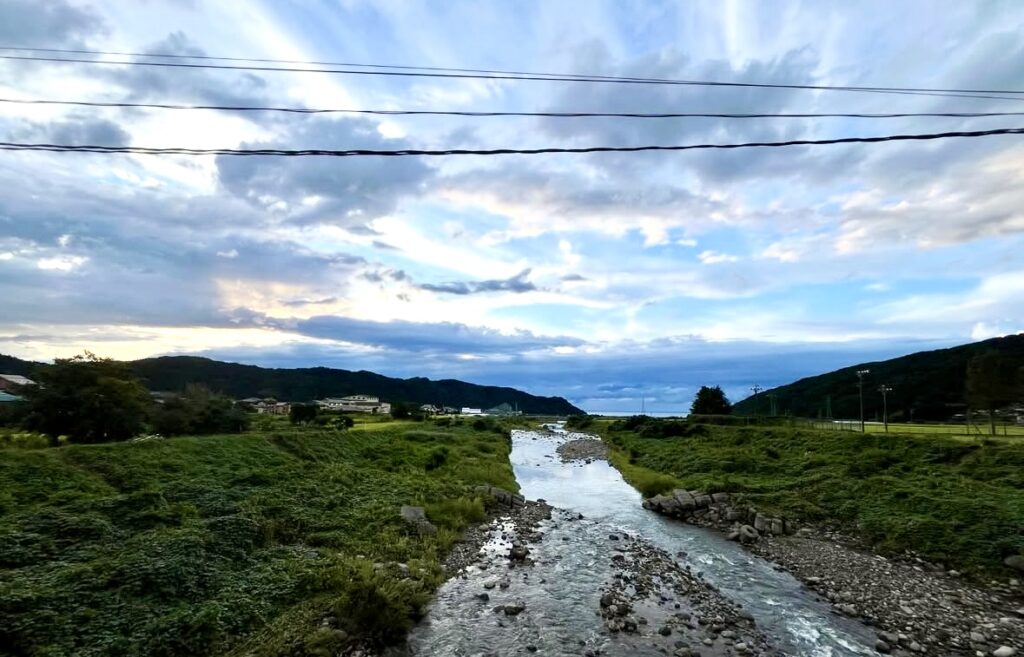
Where many breweries name their sake after mountains or changing seasons, Inomata Shuzo in the Niigata Prefecture chose a more personal muse with Sabineko Rock– a sake named after their beloved brewery cat. Nestled between the snow-covered mountains of Itoigawa, Inomata is a tiny six person brewery that has been crafting sake for over 135 years.
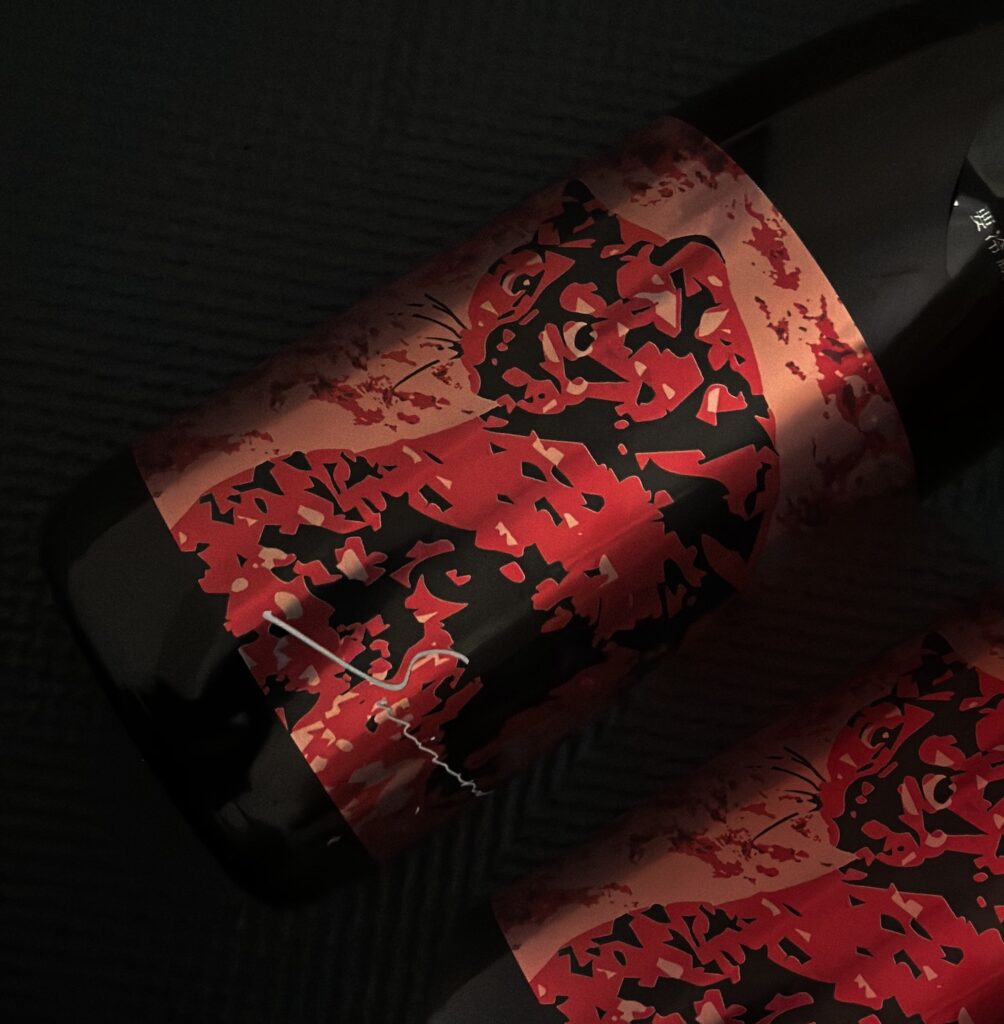
In 2016, the brewery launched the Sabineko Rock series, that broke away from traditional calligraphy labels, to feature highly stylized cat illustrations inspired by their beloved cat Anko – a sabineko (tortoise shell cat). The cat quickly went on to became the mascot for this “alternative sake story” dedicated to the many lovers of cats, music, and Japanese sake. Noteworthy is that Inomata’s main sake brand is otherwise Tsukimizu no ike, that alludes to a scenic pond in the Itoigawa City.
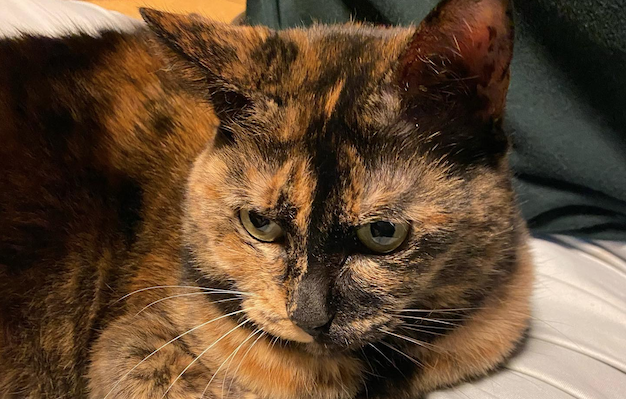
Sabineko: A sake for cat lovers, by cat lovers
The concept of the Sabineko label proved irresistible to Japan’s legion of cat lovers. Though the series is only released by the brewery on special days tied to cats and music– like February 22 (Cat Day), June 9 (Rock Day), and August 8 (World Cat Day). The initial releases quickly sold out, proving that sake can be both serious craft and playful expression. And true to the brewery’s convictions, a part of each sale goes toward animal charity donations, making every bottle a small act of kindness. The brewers’ other passion, music, also prompted them to commission a theme song for the series – because why shouldn’t sake have its own soundtrack?

Beyond the Playful Facade of Sabineko Rock
Behind the fun cat graphics and rock music lies a deep reverence for tradition. Inomata follows a true farm-to-bottle philosophy, where the same hands that plant and harvest the rice also brew the sake, overseeing each step from cultivation to storage.
Inomata also uses a rare amasake-yamahai method, a revived Meiji-era technique that starts by heating the rice to bring out its natural sweetness while suppressing unwanted microbes. Also, Instead of adding lactic acid like in most sakes, they allow natural lactic acid bacteria to take over before introducing the yeast. I imagine many breweries would avoid this approach, because it is time-consuming, unpredictable, and demanding. But it yields flavors that are wild, layered, and nearly impossible to replicate.
Tasting Notes: Sabineko Rock (Amasake Yamahai)
Grade: Junmai Ginjo
Style: Muroka Nama Genshu
Rice: Takane Nishiki (locally grown)
Milling Rate: 60%
Yeast: Kyokai No. 1401
ABV: 15.5%
SMV: -10
Acidity: 2.5
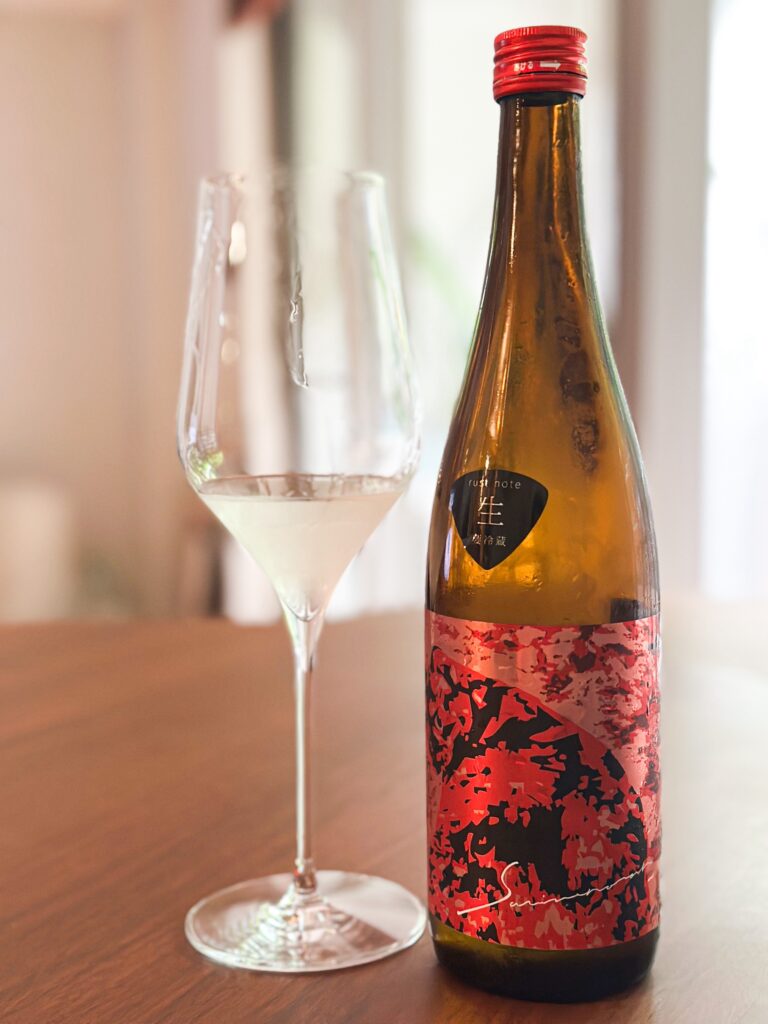
The first sip hits you with a burst of pear, melon and lactic creaminess, followed by a bright sourness that makes your mouth water. This vibrant acidity that punches through is easily the star of the show. A nice thick umami lingers in the background, working hard to keep the acidity in balance. It finishes with a little mix of bitter and sharp that makes you reach for another sip.
More than a crowd pleaser, it feels like a sake with personality, made by people who clearly enjoy what they’re doing.
Food Pairing: Sabineko Rock Sake
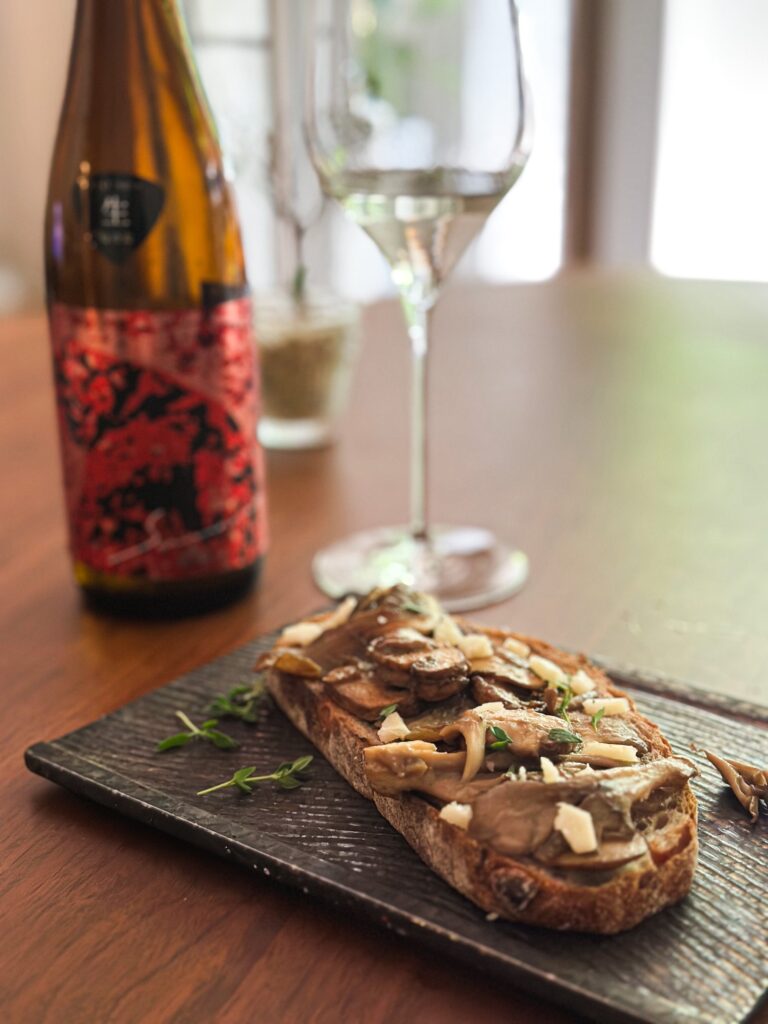
Given the high acidity of the sake, I chose to try an umami-rich pairing to ground it. A quick and simple miso mushroom toast came to mind. Mushrooms sautéed in butter until caramelized, glazed with white miso (milder and sweeter than red miso, so it works better here), soy sauce, and cooking sake. The mixture was spread on toast and finished with fresh thyme and crumbled Parmesan. The earthy richness managed to complement the sake’s layers beautifully.
Final Thoughts
There’s something immensely special about how the Inomata brewery weaves ancient technique with whimsical spirit. By naming their sake after Anko and sharing profits with animal charities, they’ve made their craft deeply personal. Even their musical collaboration feels sincere, rooted in the belief that sake and music have much in common: no absolute rules, just freedom, character, and the pursuit of something unmistakably one-of-a-kind.
Sabineko Rock isn’t just an excellent sake (though it is that). It’s a reminder of what makes sake culture so compelling: the makers who refuse to separate their craft from their identity, and who understand that the strongest traditions live on through joyful reinvention.


