

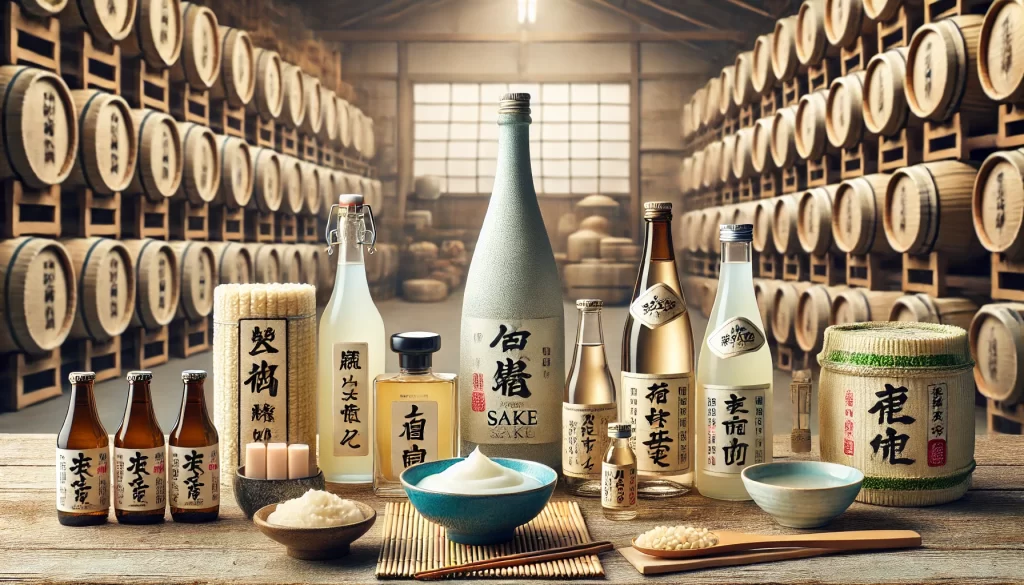
So you thought sake is all about being a fine Japanese beverage? Think again. Beyond the elegance of sipping sake from an ochoko, there is a vast and thriving ancillary industry that utilises nearly every grain of rice that goes into its making. From traditional foods to modern skincare, from agriculture to wellness—and even fashion—the byproducts of sake brewing, especially sake kasu (sake lees), are fuelling a fascinating ecosystem of ancillary industries. This often-overlooked side of sake not only reduces waste but also unlocks immense economic, cultural, and sustainable value.
A Brief History: How Japan Turned Byproducts into Assets
The Japanese philosophy of mottainai—a cultural respect for avoiding waste—lies at the heart of sake’s ancillary industry. For centuries, brewers ensured that nothing from the brewing process went unused. Sake kasu, the nutrient-rich paste left after pressing fermented rice mash, was historically repurposed in households and local communities. Farmers mixed it into livestock feed and fertilizers, while homemakers transformed it into pickling bases or incorporated it into daily cooking.
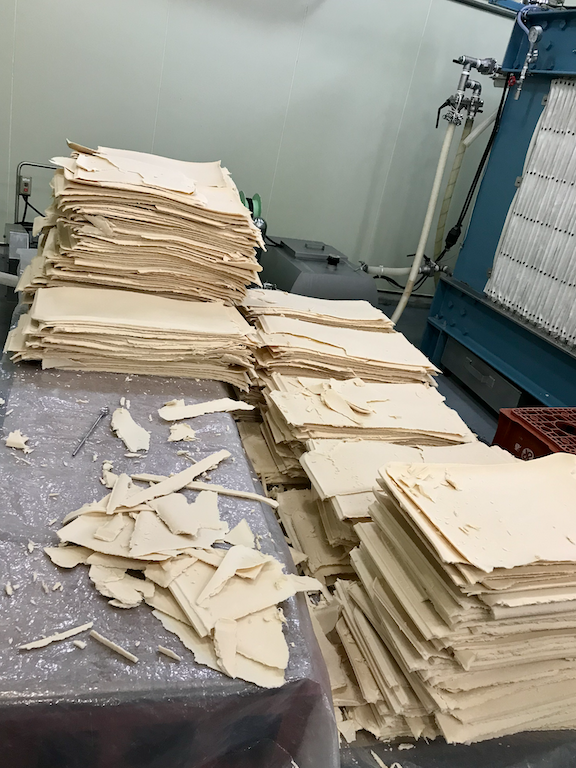
By the Edo period (1603–1868), sake byproducts were already forming a micro-economy of their own. Sake kasu-based recipes, kasuzuke (pickles fermented in sake lees), and kasujiru (a hearty miso-and-kasu soup) became staples of Japanese cuisine. Over time, the practice expanded into industries ranging from cosmetics to pharmaceuticals, laying the foundation for today’s flourishing ancillary market.
Who Uses Sake Byproducts Today?
In modern Japan, sake brewing byproducts have found applications across an impressive range of industries:
- Food & Beverages – Pickles, confectionery, soups, sauces, and even alcohol-free drinks.
- Cosmetics & Skincare – Facial masks, lotions, shampoos, and anti-aging serums.
- Health & Wellness – Nutritional supplements rich in amino acids, vitamins, and probiotics.
- Agriculture – Organic fertilizers, animal feed, and soil conditioners.
- Fashion & Lifestyle – Experimental products such as garments made from sake kasu treated fibres.
This multi-sector reach has elevated sake kasu from a mere brewing leftover to a celebrated raw material in its own right.
The Many Faces of Sake Kasu: Applications Across Industries
The star of the sake byproduct world is undoubtedly sake kasu. Its versatility has turned it into a “hidden gem” ingredient, celebrated for both tradition and innovation.
- Culinary Applications
- Kasuzuke: Pickling fish, vegetables, or meat in sake lees for a distinctive umami flavor.
- Kasujiru: A warming winter soup made with miso, sake kasu, and seasonal vegetables.
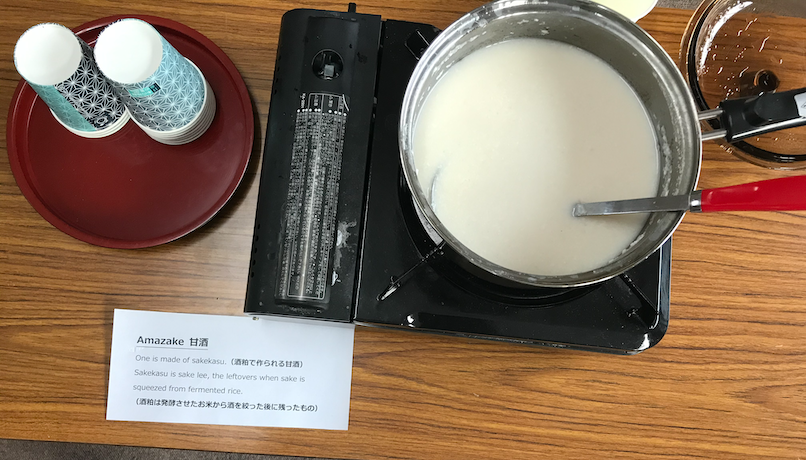
- Amazake: A lightly sweet, low-alcohol (sometimes alcohol-free) drink made from sake kasu or fermented rice. Traditionally enjoyed as a nourishing winter beverage, it’s rich in vitamins, amino acids, and natural enzymes.
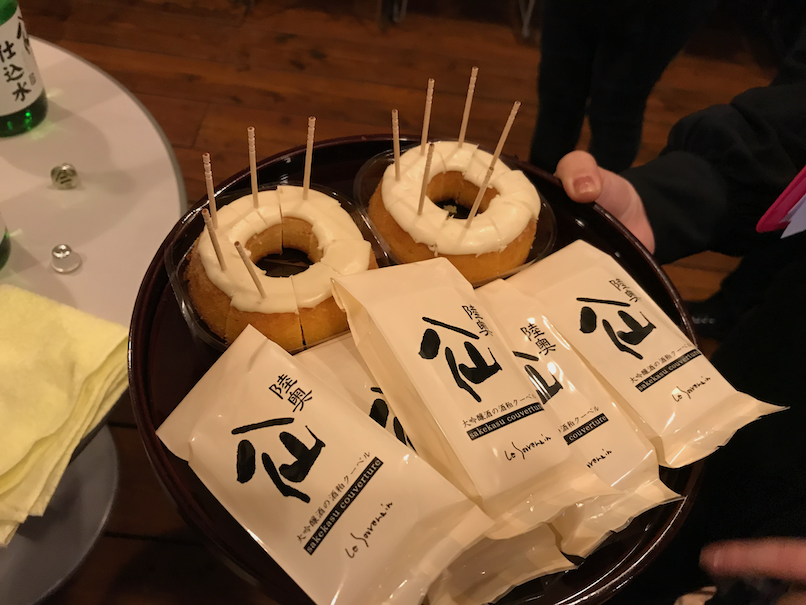
- Dessert innovation: Modern patisseries are experimenting with sake kasu cheesecakes, chocolates, and ice creams.
- Cosmetic & Beauty Care
- Sake kasu is rich in kojic acid, a natural brightening agent that helps reduce pigmentation.
- Japanese beauty brands incorporate sake lees in sheet masks, moisturizers, and bath products for hydrating and anti-aging effects.
- Health & Nutrition
- Nutrient-dense, containing protein, dietary fiber, and vitamins B and E.
- Fermentation-derived probiotics make it a popular base for wellness drinks.
- Supplements highlight its benefits for metabolism and gut health.
- Agriculture & Sustainability
- Used as organic fertilizer and soil enhancer, contributing to circular farming practices.
- Added to animal feed for improved nutrition.
💡 Did You Know?
Rokka Shuzo, one of Japan’s massive sake breweries in the Aomori prefecture, teamed up with lingerie maker Triumph to create inner wear made from sake kasu fibers. Claimed to be soft, breathable, and even improving circulation, these garments called Warm Joppari Moisturizing Inner, are crafted with fabric treated using sake lees extract. The amino acids from aged sake kasu penetrate the fibers, purportedly delivering long-lasting moisture and warmth—even after multiple washes.
Measuring the Market: Industry Size and Growth
While hard numbers are difficult to pin down, the ancillary market for sake byproducts in Japan is far from small. Every year, breweries across the country produce thousands of tons of sake kasu, much of which finds its way into food, beauty, wellness, and even agricultural products. Some of the breweries like Hachinohe shuzo (Aomori) and Tsukinowa shuzo (Iwate) even make their own food products with sake kasu.
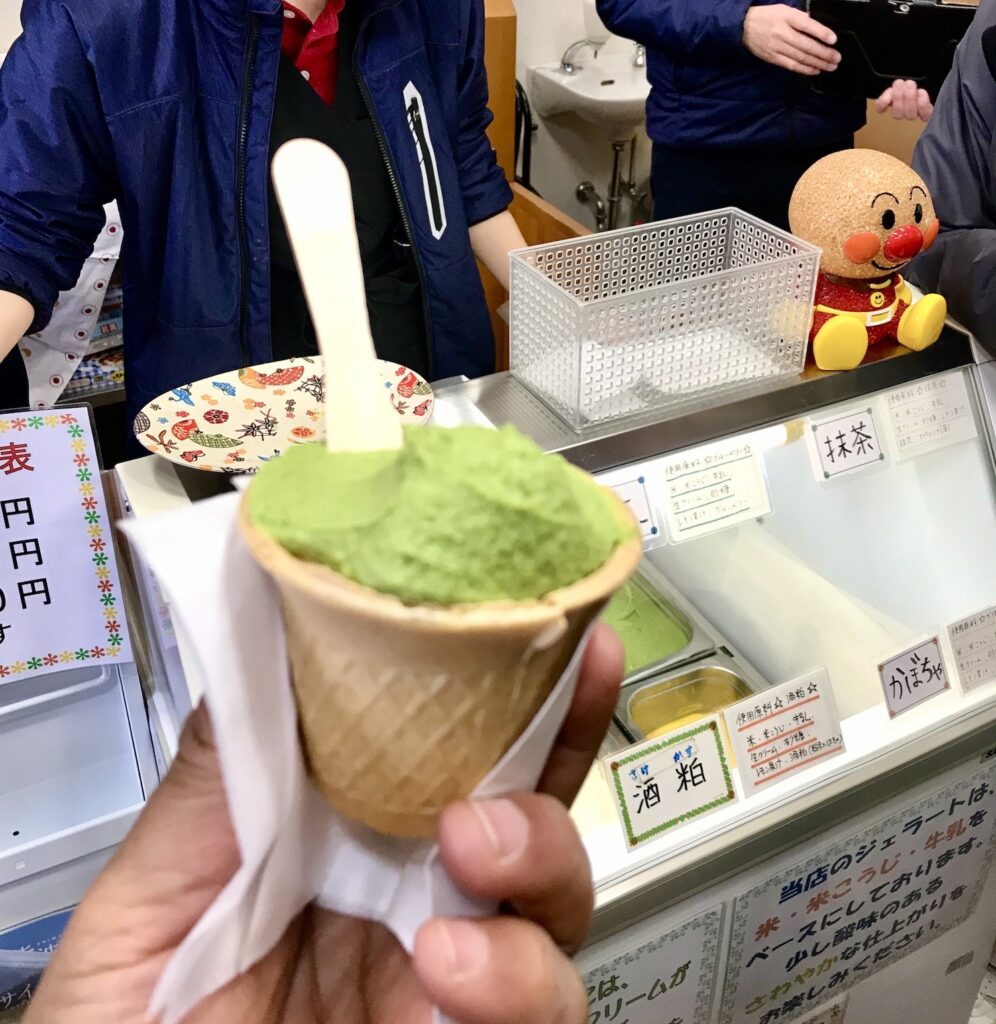
The food sector still absorbs the lion’s share, but cosmetics and health supplements are showing the fastest momentum, fueled by global interest in “clean beauty” and fermentation-based nutrition.
Internationally, the curiosity around sake kasu has grown in tandem with the premiumization of Japanese products. From boutique skincare exports to gourmet pickling bases sold overseas, the ripple effect is clear: while not as large as the sake industry itself, the byproducts economy represents a quiet but steadily expanding revenue stream that gives breweries both resilience and diversity.
Why These Products Stand Out: The Unique Selling Points
Sake byproducts have distinct advantages that set them apart from generic alternatives:
- Natural and Sustainable – A textbook example of upcycling, reducing waste in food and beverage production.
- Nutrient-Rich – Packed with proteins, amino acids, vitamins, and fermentation-driven bioactives.
- Cultural Authenticity – Rooted in centuries-old Japanese tradition, lending credibility and heritage value.
- Versatility – Usable across culinary, cosmetic, agricultural, health, and even fashion sectors.
- Premium Appeal – Associated with artisanal craftsmanship, making them attractive for gourmet and luxury positioning.
These USPs have allowed sake byproducts to transform from “leftovers” into premium lifestyle elements.
Conclusion: More Than a Drink, a Way of Life
Japanese sake is far more than an iconic beverage. It is the centerpiece of a sustainable ecosystem where every grain of rice is respected and repurposed. From nourishing soups to radiant skin creams, from organic farming to gourmet innovation—and even sake kasu-inspired fashion—the ancillary industry around sake exemplifies how tradition and modernity can co-exist beautifully.
For consumers worldwide, exploring sake’s byproducts offers not just a taste of Japan but also an immersion into its culture of sustainability and craftsmanship. And for the global beverage industry, it offers a lesson: when crafted thoughtfully, even the byproducts can become treasures.


