

Choosing the right bottle of sake isn’t just about milling rates—it’s about setting the tone. Whether you’re hosting a lively get-together or enjoying a quiet, reflective meal, there’s always a sake that can rise to the occasion. With that in mind, we’ve put together a curated selection of sake that feels especially at home in the early months of the year in India. Our picks are shaped by three simple ideas: a mix of flavour styles, regular availability in India over the last couple of years, and, most importantly, our own repeated first-hand experience with each of them. That said, there are many other worthy sakes in the Indian market that we could not include in this list owing to space constraints. We encourage you to try them all.
1. The Apéritif: Hakutsuru Awayuki Sparkling
Mumbai Price: 300 ml – ₹ 1200
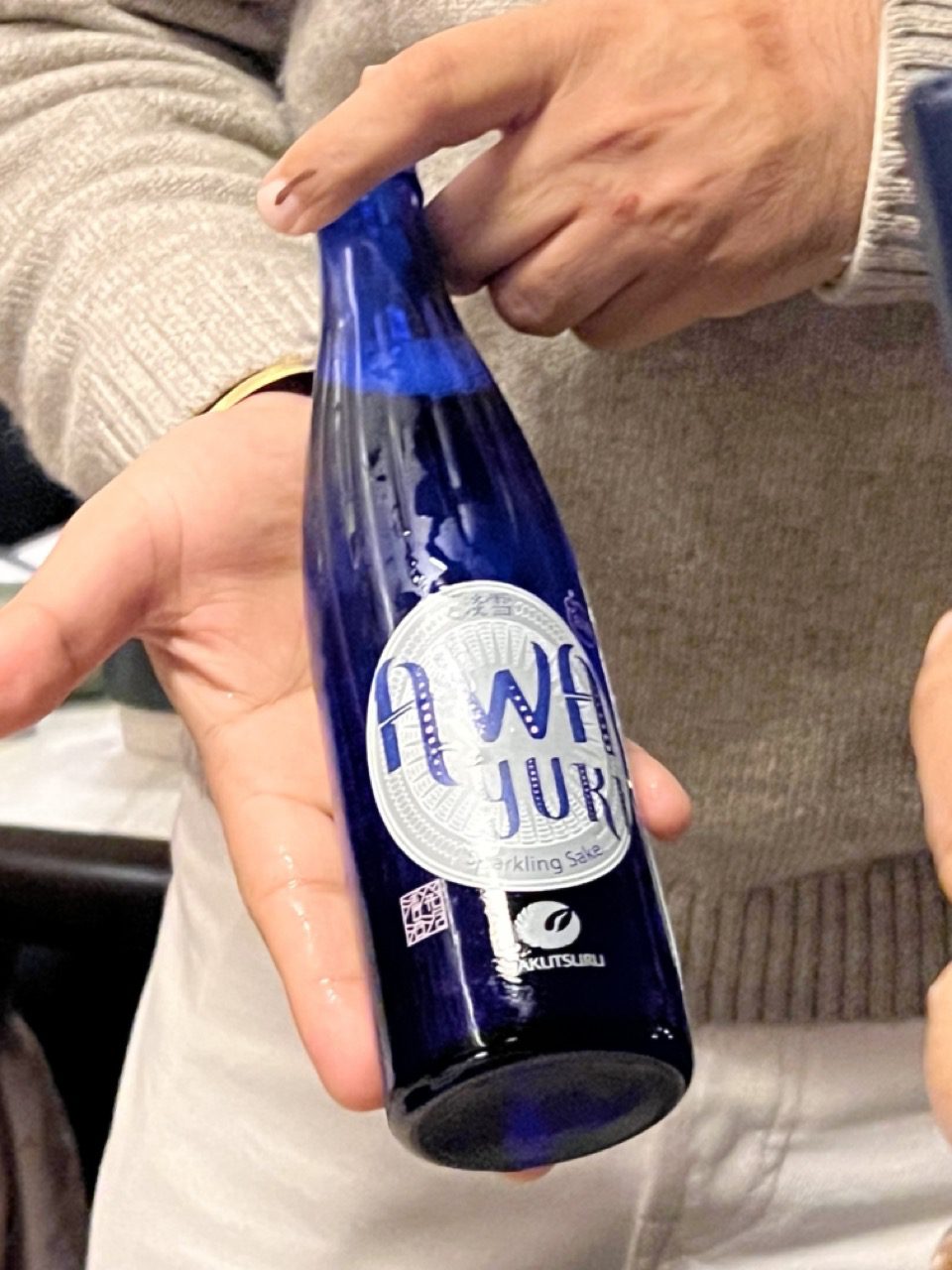
- The Profile: Light, bubbly, and slightly sweet with notes of peach and citrus.
- The Vibe: “Awayuki” means “sparkling snow,” making it poetically perfect for January. It is an approachable choice for those new to sake.
- Pairing: The light effervescence contrasts beautifully with creamy textures like avocado salad and complements tangy-salty depths like umeboshi (Japanese sour-salted plum).
2. The Floral Charmer: Hana Kizakura Junmai Ginjo
Mumbai: Price: 720 ml- ₹ 4600, 300 ml – ₹ 2050
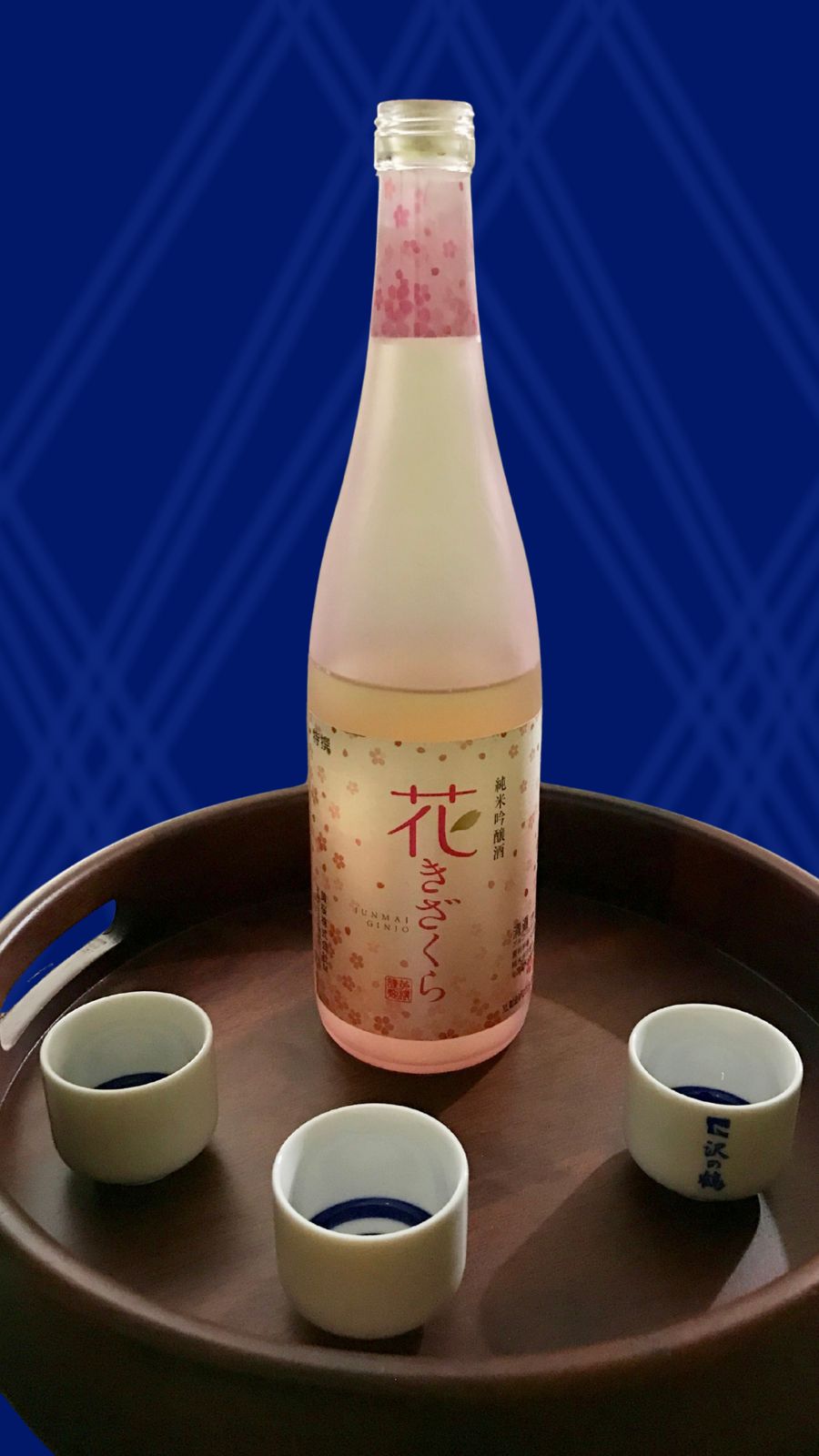
- The Profile: Packaged beautifully in a frosted pink bottle, this Junmai Ginjo is known for its elegant floral aroma, and a relatively low alcohol content of 12%. The sake is made using original yeast derived from yellow cherry blossom in the brewery itself.
- The Vibe: Incredibly smooth and light, it represents the “blossoming” of new hopes for the year ahead.
- Pairing: A delightful companion to fresh green salads or mild seafood dishes. We paired it with Chicken Yakitori , and it was a runaway hit!
3. The Fresh Choice: Hakutsuru Nama Chozo (Draft)
Mumbai Price: 300 ml – ₹ 1375
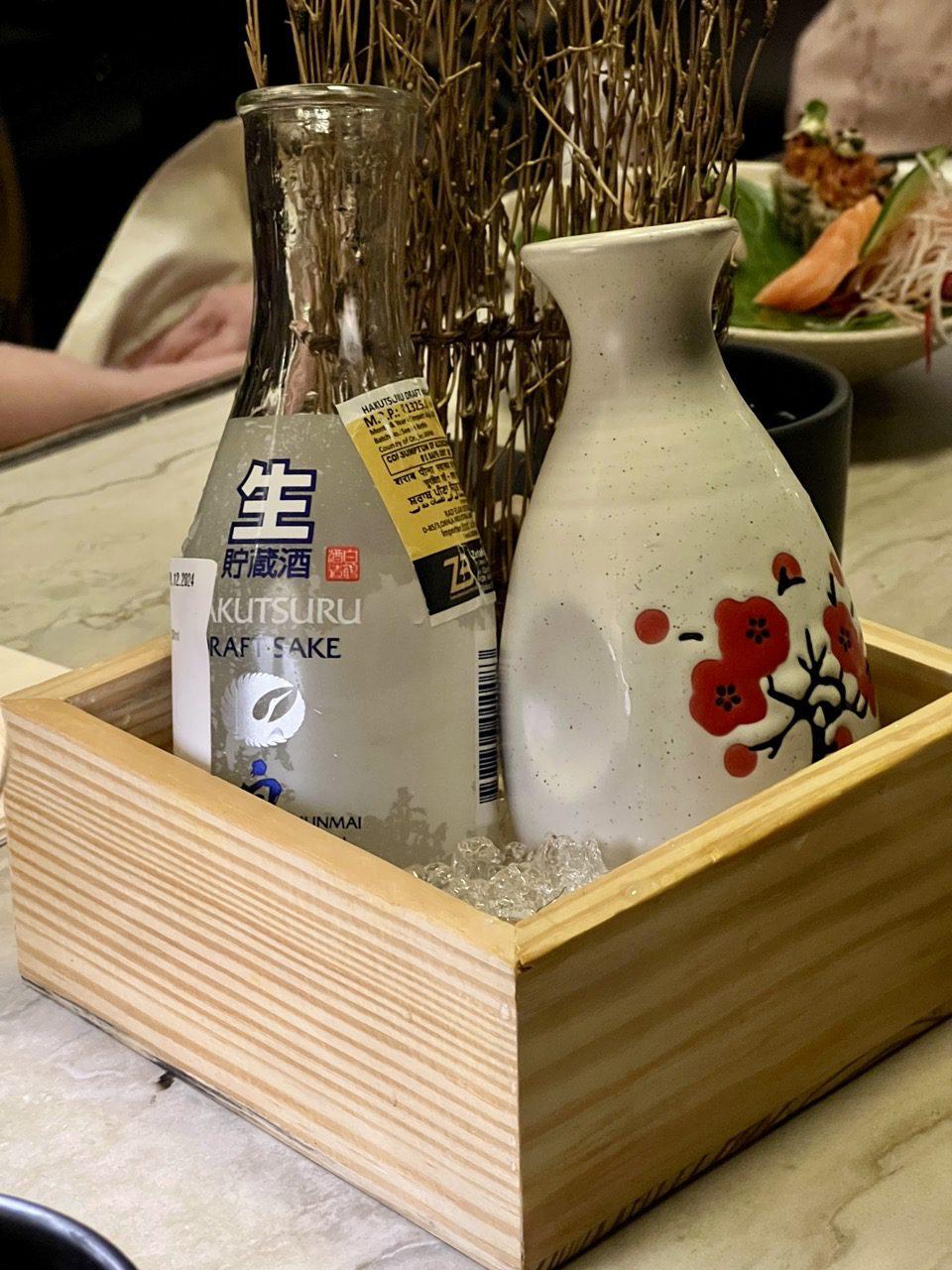
- The Profile: Most sake is pasteurized twice, but a “Nama” sake is usually pasteurized only once to keep its freshness intact. Hakutsuru Namazake is pasteurized only once before bottling and retains its crisp, slightly fruity and vibrant character.
- The Vibe: Perfect for a casual New Year lunch where freshness is key.
- Pairing: Its crisp profile enhances the delicate flavors of an assortment of nigiri and sashimi while cutting through the richness of ingredients like avocado. Among Indian food it will go famously with fried snacks like paneer pakoda for a crispiness-umami tango.
ALSO READ: Seasonality of Sake: A Journey Through the Year
4. The Traditional All-Rounder: Hakutsuru Junmai Excellent
Mumbai Price: 720 ml – ₹ 2800
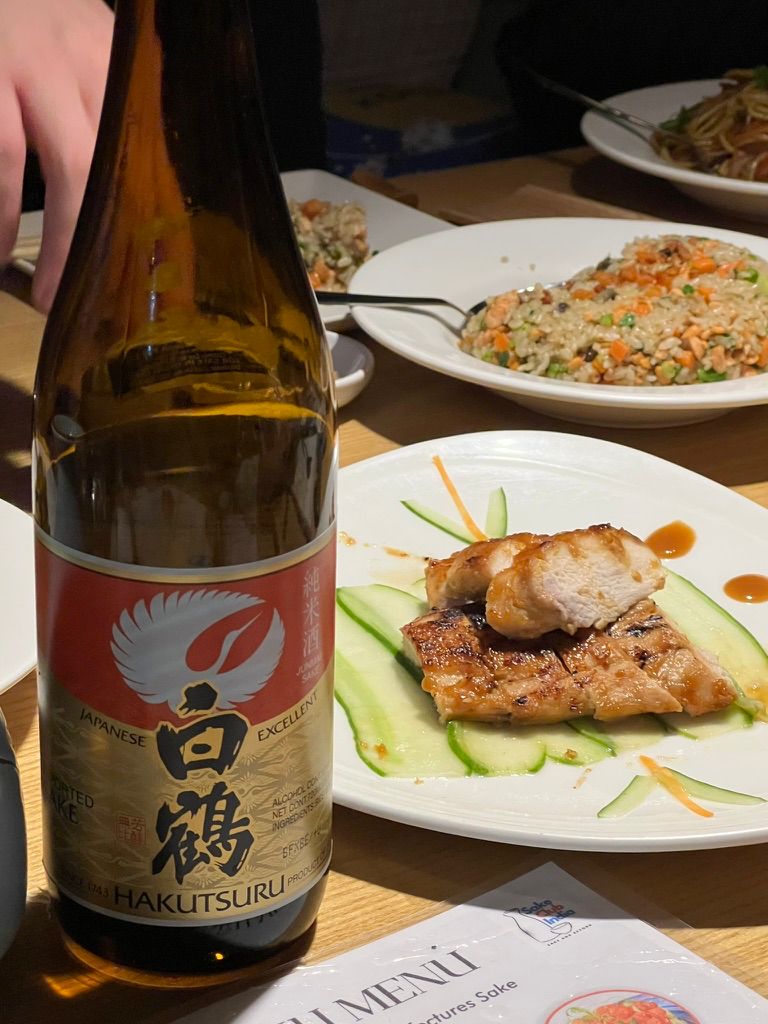
- The Profile: One of the most popular sakes in India, this is a classic Junmai featuring a robust umami character and gentle acidity.
- The Vibe: A dependable choice that shines when served at room temperature or warm, during a chilly January ambience.
- Pairing: Perfectly balances umami forward robust dishes, such as Teriyaki Chicken.
5. The “Toji’s” Tribute: Hakutsuru Toji Kan
Mumbai Price: 720 ml – ₹ 3500
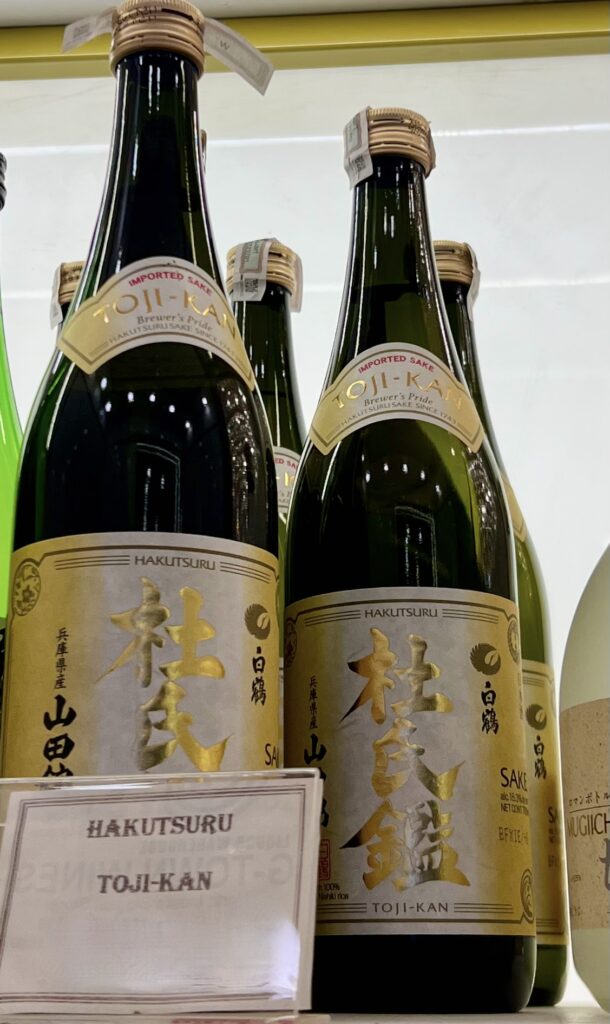
- The Profile: A classic, well-balanced dry sake created by the Toji (Master Brewer) for himself and his team’s daily enjoyment. It is made with 100% Yamada Nishiki rice- which is universally known as “the king of sake rice” .
- The Vibe: The sake represents the craftsmanship of the brewery and is a fantastic all-rounder for a large festive feast.
- Pairing: Works seamlessly with a wide range of dishes, from sushi to hearty Indian grills.
The Heat Map: Which Sake Categories Shine When Warm?
While many premium sakes are best enjoyed chilled to preserve their delicate aromatics, certain categories are traditionally celebrated for their ability to transform when heated, offering a comforting depth and an accentuated umami profile.
- Junmai: This category is the most versatile for warming. Heating a Junmai enhances its natural, rice-forward umami and creates a mellow, soothing mouthfeel that pairs perfectly with hearty winter meals.
- Honjozo: Known for having a small amount of brewer’s alcohol added to lighten the body, Honjozo sakes become incredibly smooth and easy-drinking when warmed. The heat helps to round out the finish and mellow any sharp edges.
- Genshu (Undiluted): Because of its comparatively higher alcohol content and intense flavor profile, a Genshu sake can stand up well to heat. Warming a Genshu amplifies its bold character, making it a robust companion for rich or charred dishes.
Expert Tip: To experience these categories at their best, aim for Nurukan (warm, ~40°C) or Atsukan (hot, ~50°C). Avoid boiling, as excessive temperature can evaporate the alcohol as also the nuanced aromas of the sake.
ALSO READ: Kan or Warm Sake: Tradition in a Cup
6. The Earthy Soul: Masumi Kaya (Junmai)
Mumbai: Price: 720 ml- ₹ 2990, 300 ml – ₹ 1390
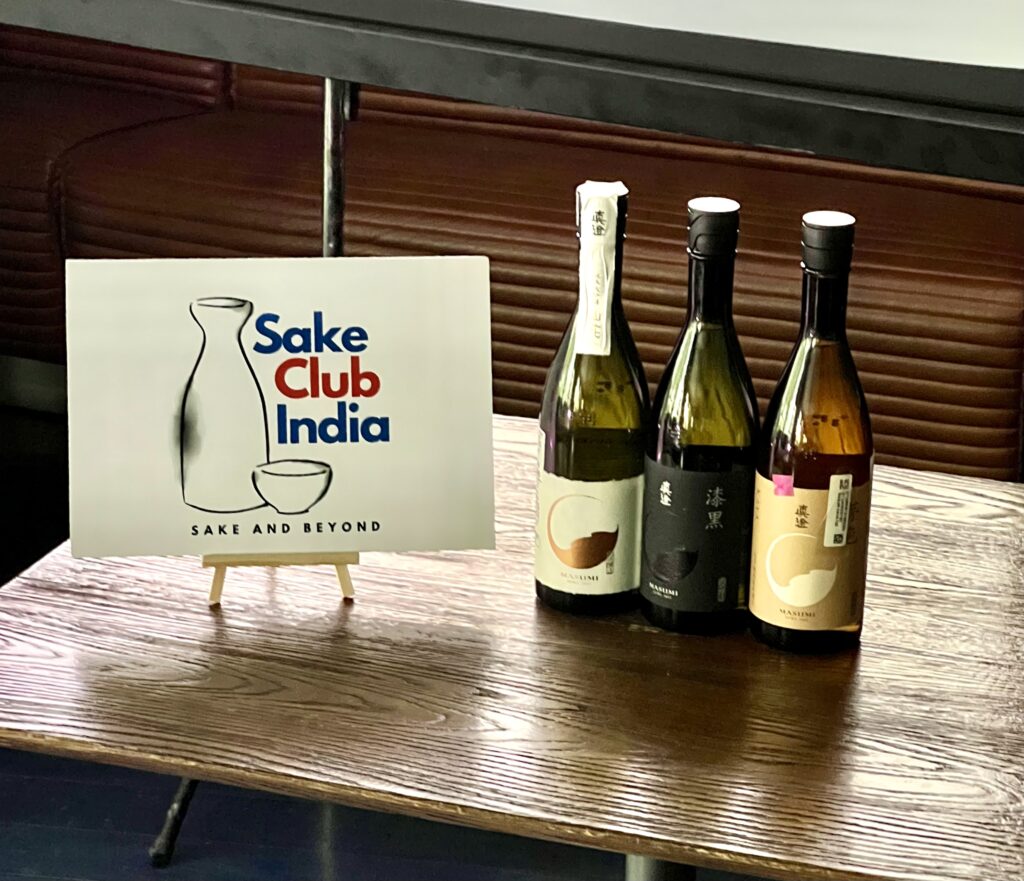
- The Profile: A savoury, rice-forward Junmai with mild aromas of brown rice and cream.
- The Vibe: This is “soul food” in a glass—comforting, deep, and reflective for the start of the year. Perfect to serve warm (see box above) in the winter season.
- Pairing: Masumi Kaya’s acidity and savoury base are a brilliant accompaniment for rich curries or mushroom-based dishes.
7. The Traditional Refinement: Hakushika Yamadanishiki Honjozo
Mumbai Price: 300 ml – ₹ 3400
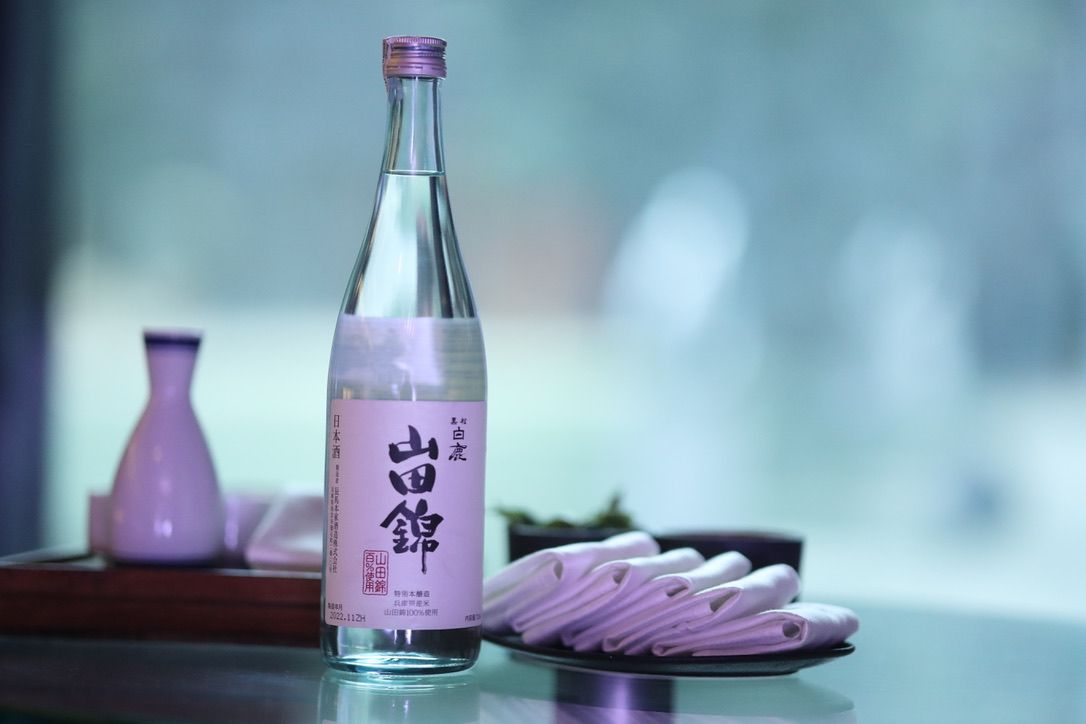
- The Profile: Another of the most popular sakes in the Indian market, this one is crafted using the “King of Sake Rice,” Yamadanishiki. It has a smooth body, a clean, dry finish, and a well-balanced profile, that allows the subtle sweetness of the rice to shine, without being overpowering.
- The Vibe: This is a sophisticated, versatile sake that represents classic Japanese brewing techniques. Its smooth texture makes it an excellent choice for those who appreciate a drink that is both elegant and understated.
- Pairing: Its dry finish makes it a master at mellowing heat and spice. It pairs beautifully with miso-based dishes, such as Grilled Sea Bass with miso glaze Among Indian food, it goes famously with moderately spiced umami-rich dishes such as Appam with stew.
8. The Crowd Pleaser: Gekkeikan Nigori
Mumbai Price: 300 ml – ₹ 2830
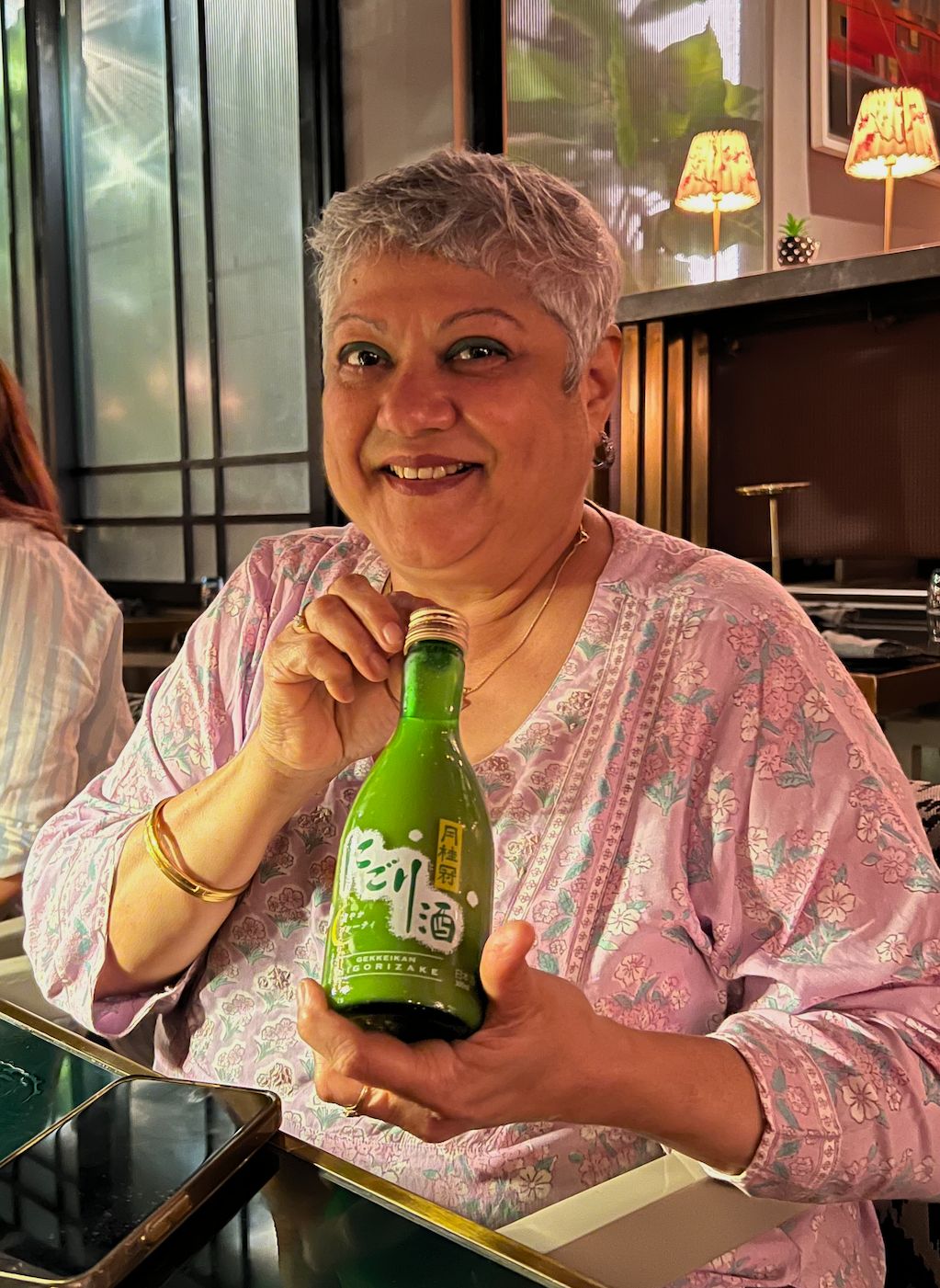
- The Profile: Creamy and unfiltered with distinct coconut and honeydew melon notes.
- The Vibe: Visually striking, texturally pleasing and lusciously umami.
- Pairing: The creaminess acts as an excellent balance for spicy Indian appetizers or rich meals. We served it with Charred Broccoli, where the sake’s velvety texture and sweetness contrasted with the saltiness and chunkiness of the al dente broccoli .
9. The Connoisseur’s Pick: Senjyu Kubota Ginjo
Mumbai Price: 720 ml- ₹ 6750, 300 ml – ₹ 2800
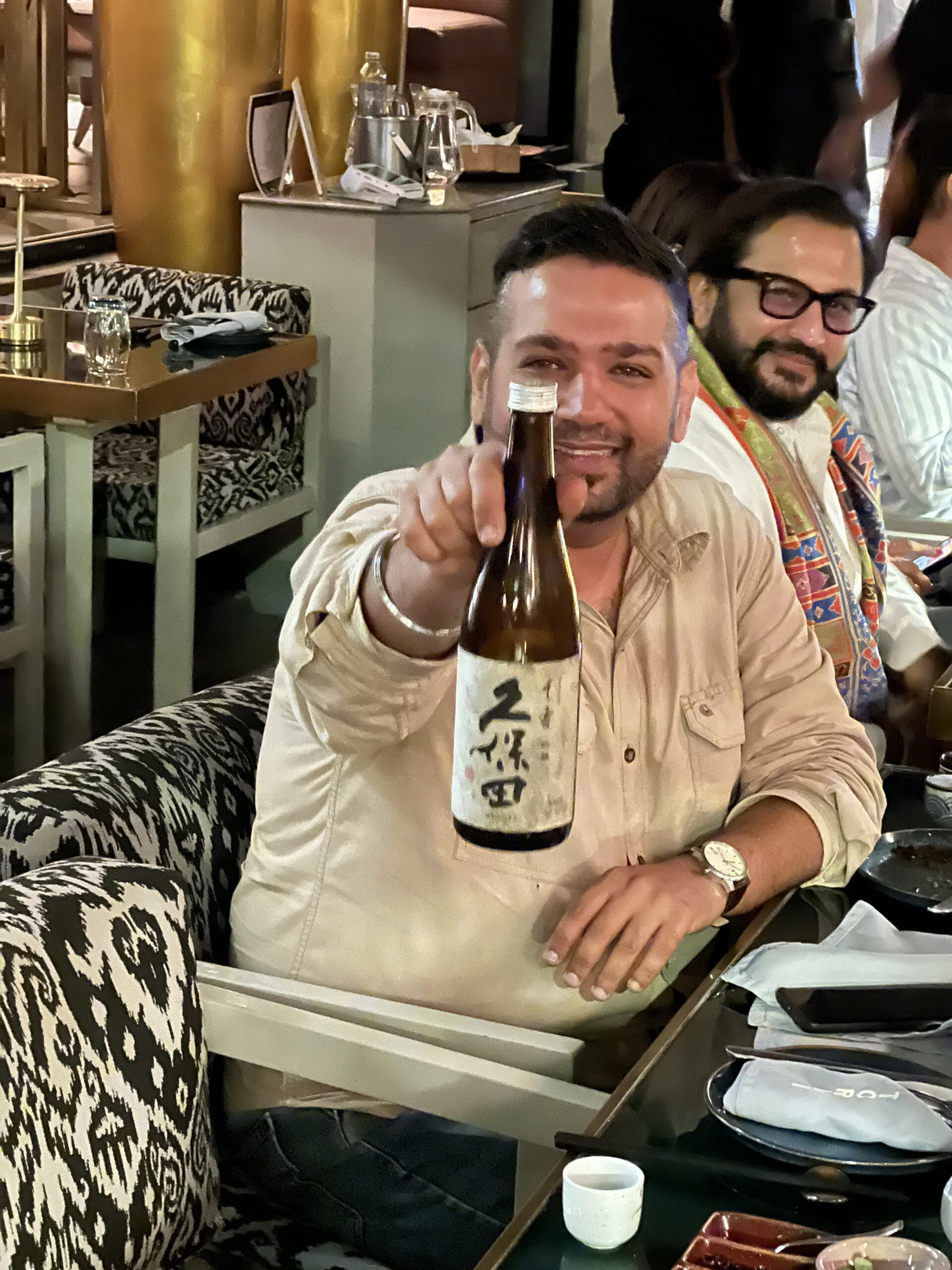
- The Profile: Elegant, dry and clean—the quintessential tanrei karakuchi (crisp and dry) style.
- The Vibe: Designed for the sophisticated palate that avoids sweetness. It is lean and prestigious.
- Pairing: Excellent with grilled seafood or lightly spiced Tandoori fish. We paired it with Crispy Prawn Tempura Roll at one of our events, and the guests couldn’t stop asking for more!
10. The Zesty Finale: Homare Aladdin Yuzu Liqueur
Mumbai: Price: 300 ml – ₹ 3200
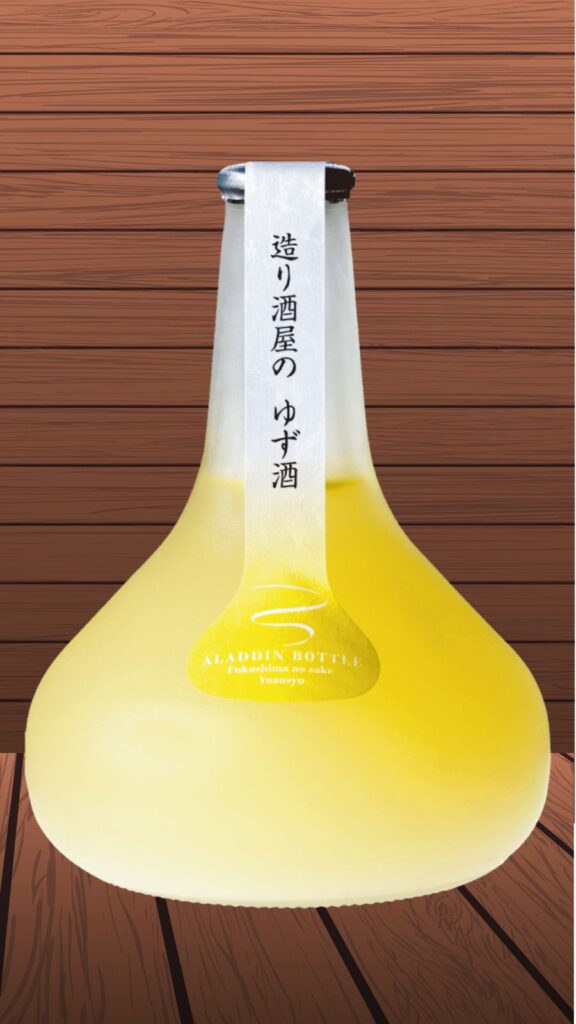
- The Profile: Crafted with high-quality Junmai sake as its base and blended with fresh Yuzu juice, this liqueur offers an explosive burst of natural citrus. It strikes a perfect harmony between the tartness of the Japanese citron and a satisfying umami finish.
- The Vibe: Housed in its distinctively elegant bottle, it is the ultimate “sunshine in a glass.” It serves as a refreshing palate cleanser or a bright, low-alcohol alternative for those who prefer a fruit-forward experience to toast the New Year.
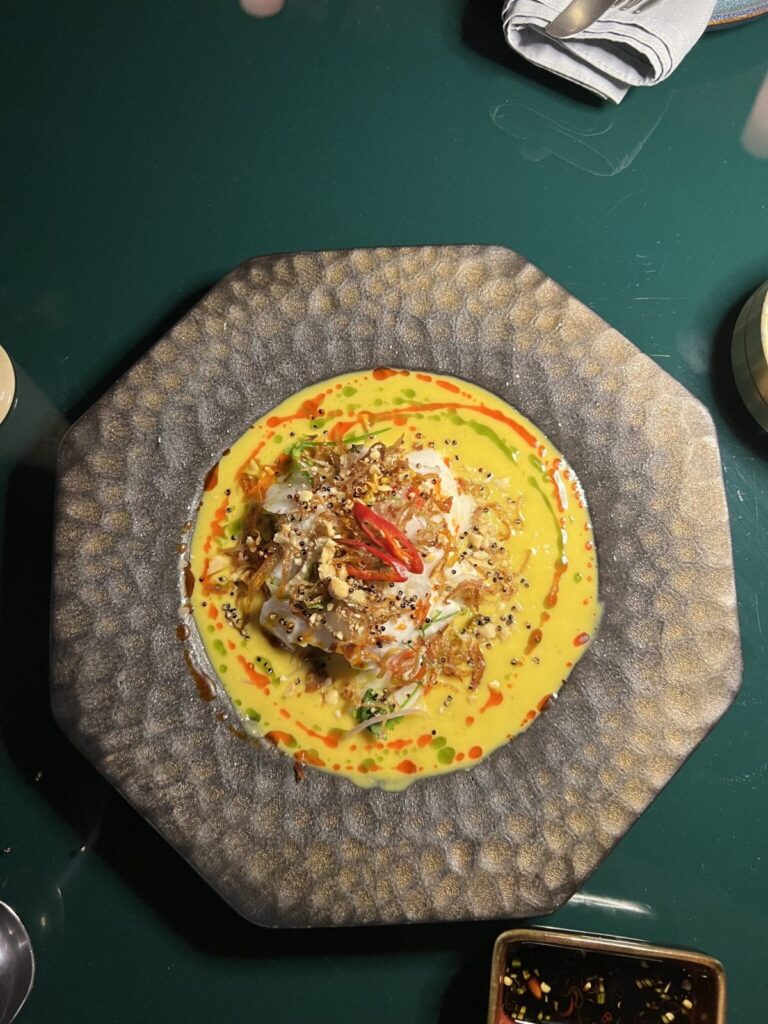
- Pairing: Homare Aladdin Yuzu’s vibrant acidity makes it a brilliant match for dessert courses, or spicy appetizers. Try it alongside a Lemon Tart or even a spicy Fruit Chaat. We paired it with a Young Coconut Ceviche, where the zesty tang of the liqueur created a delightful tango with the tropical flavours of ceviche.
Where to Shop in India
- Mumbai/Pune: Living Liquidz and Mansionz.
- Delhi/NCR: G-Town Wines, The Liquor Warehouse (Gurgaon) and various other upscale L1 stores.
- Bengaluru: Tonique, Living Liquidz, Mansionz
- Online: Check portals like Livcheers for an idea of pricing in your city.
Expert Tip: Check the “Production Date” on the back label. Sake is best enjoyed fresh (ideally within 12–18 months of bottling).

