The recently concluded India Bartender Show had a distinctly refined Japanese soul. From the graceful art of Omotenashi (Japanese hospitality) to the elegance of minimalistic cocktails, the energy was palpable. A major highlight at the fixture was an intimate Shochu tasting led by the Mizunara Group. Headed by Chandrakant Mohanty, the group is a powerhouse in Japanese spirits, with a footprint spanning production, hospitality and retail, across Japan, Singapore, and Hong Kong. By collaborating with historic craft distilleries across Japan, the brand identifies exceptional base spirits that honor their regional origins.
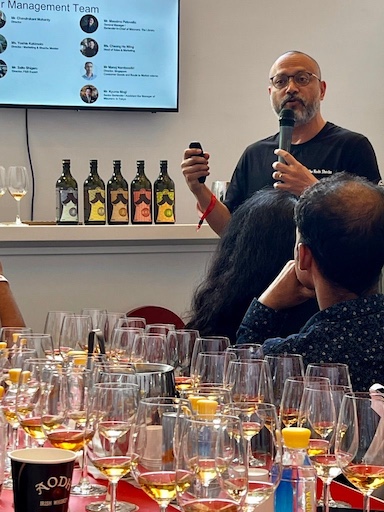
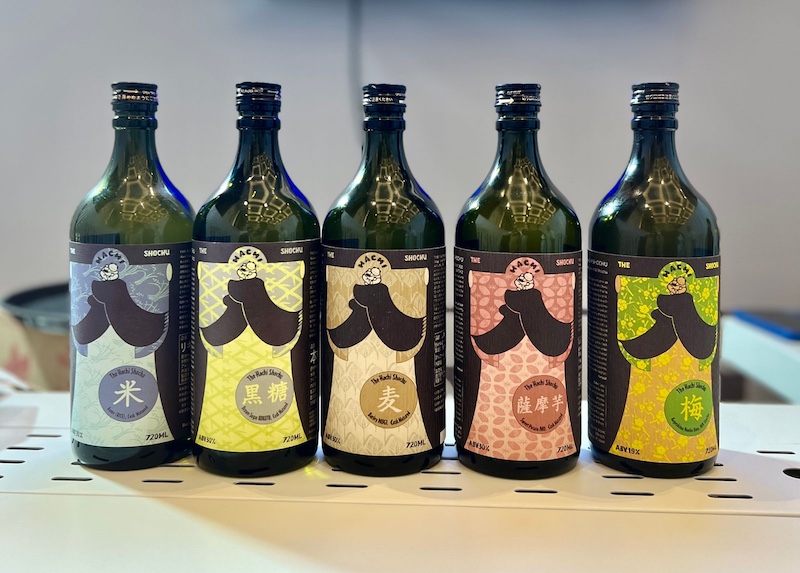
What made the New Delhi session truly special was the focus on the “aged” category. While Shochu is traditionally enjoyed clear and unaged, we delved into the premium world of Honkaku shochu that is further aged in different woods. We also had the rare opportunity to sample shochus with all four major base ingredients, viz. Kome (Rice), Kokuto (Brown Sugar), Mugi (Barley) and Imo (Sweet Potato). All these variants had an Alcohol by Volume (ABV) of 30%.
The Hachi Shochu series takes its name from the Japanese word “Hachi” (eight), combined with the affectionate suffix “–chan” to create its mascot Hacchan. Often seen on the label enjoying a drink, Hacchan reflects the spirit of curiosity and joy that inspired the range.
The project is led by a Shochu Meister from Kagoshima, raised in Japan’s deep-rooted shochu culture and passionate about sharing the character of authentic Honkaku Shochu with the world. Working with multiple distilleries and drawing on techniques such as cask maturation, the range explores new layers of complexity while staying true to tradition.
- Kimono-inspired label celebrating Japanese cultural heritage
- Sleeve motif symbolising the lucky number eight
- Ingredient patterns representing the base materials — sweet potato, rice, and sugarcane
- A global mission to introduce the joy of shochu to new drinkers
The idea is simple: celebrate authentic Japanese distilling while reminding the world that Shochu is a spirit in its own right — proudly #NOTWhisky.
1. The Hachi: Kome (Rice)
Ageing: Part of the blend aged in Ex-Bourbon Cask
This shochu is made in collaboration with Fukano Shuzo (founded in 1823) in Kumamoto. It is a blend of about 75% of unmatured Kome Shochu and 25% of matured Kome Shochu (3.5 years in an Ex-Bourbon Cask). The aromatically expressive shochu was light and fruity, with the sweet aroma of fresh rice and green apple. On the palate, it was creamy, with nuances of vanilla and honey, before settling into a clean, dry finish.
ALSO READ: Can Shochu be the next big beverage in India?
2. The Hachi: Brown Sugar (Kokuto)
Ageing: A blend of 3-5-years Kokuto Shochu in refill/recharred virgin American White Oak casks
Kokuto shochu is exclusively made in the Amami-Oshima Islands located between Kyushu and Okinawa. This shochu is made from brown sugar sourced from Okinawa and uses Thai rice based white koji. While Kokuto shochu is often compared to rum, the use of white koji gives it a completely different, layered soul. This pour felt incredibly polished, opening with an intricate nose of sugarcane and fresh mint. The taste was a beautiful transition where an initial wave of sweetness moved into a savory, umami richness, finally leaving a lingering, peppery kick.
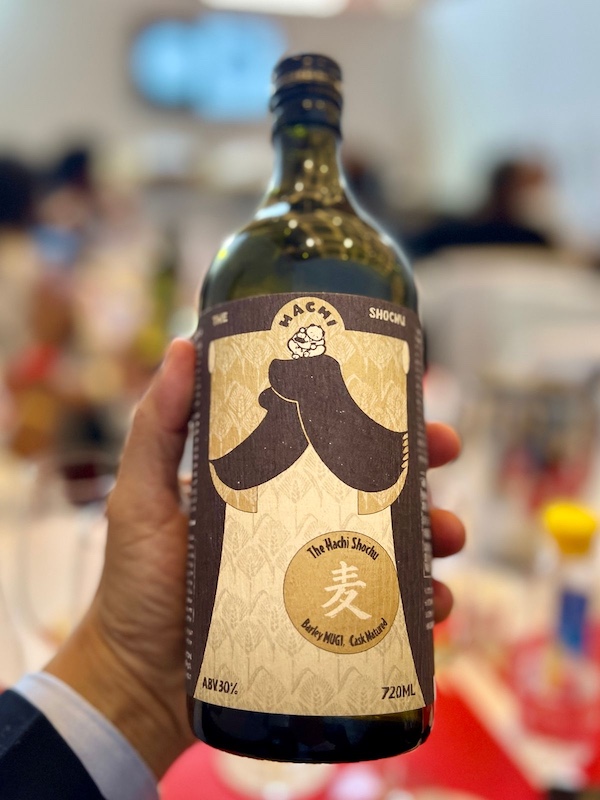
3. The Hachi: Barley (Mugi) White Oak Cask Matured
Ageing: Approx. 3 years and 10 months in refill White Oak cask
The barley expression was easily the most familiar profile for the whisky lovers in the room, boasting a bold, whisky-like character and a stunning amber hue. It filled the senses with the scent of dark raisins and plums, while the texture beautifully coated the palate with sweet dried fruits. The finale was a total surprise—a rich, indulgent finish reminiscent of peanut butter and chocolate.
4. The Hachi: Sweet Potato (Imo) Virgin Oak Matured, Batch 2
Ageing: Approx. 4 years and 10 months in refill White Oak cask
Imo shochu is famous for its distinctive earthiness, but this version was surprisingly bright and floral, thanks to its unique aging in virgin oak. The shochu’s lychee and cream soda accents offered an unexpectedly refreshing profile. The flavour was a playful mix of fresh mint and sweet cereal, balanced by the warmth of cloves and cardamom towards the finish.
5. The Grand Finale: Hachi Umeshu
To top off the experience, we tasted a unique Umeshu made with a 10-year-aged roasted sweet potato shochu in which the plums (ume) are soaked. The umeshu carried the nuttiness typical of an Imo shochu, further elaborating as a deep, smoky almond character with umami highlights. It was an absolute delight on the palate with its bright tartness courtesy the Nanko Ume, that acted as a perfect counterweight to its sweetness.
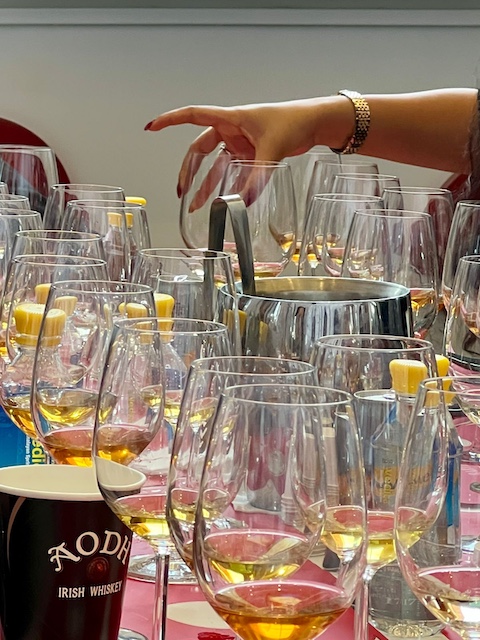
The session concluded with the ebullient audience- most of whom were bartenders- asking common questions about Shochu and discussing its use in innovative cocktail programmes. Most of us in the masterclass agreed that aged shochus may offer a great canvas for creating some “out of the box” cocktails in the fast emerging beverage scene of India.