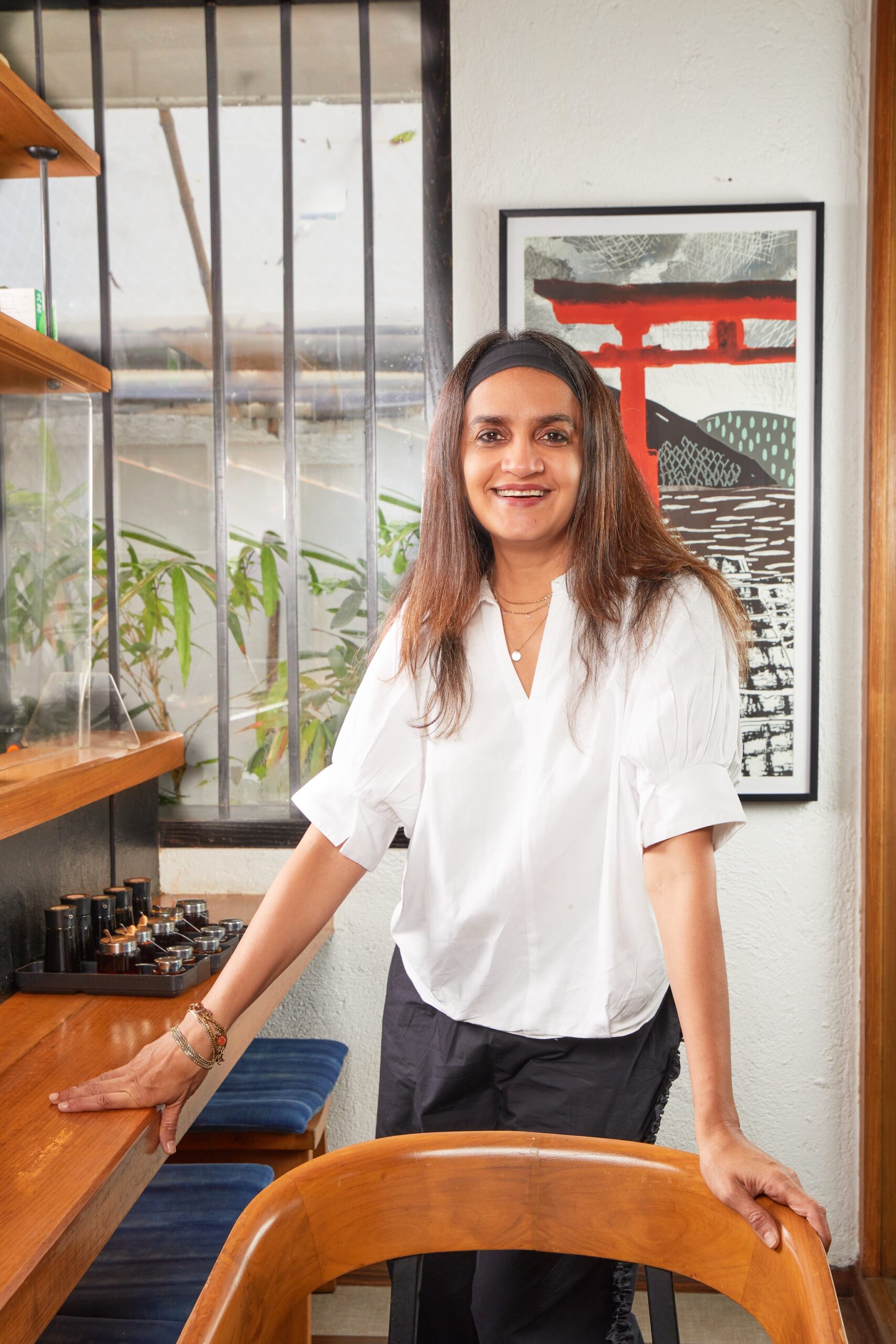
In conversation with Amit Goel, Director of Rad Elan Distributors , we examine how rising consumer experimentation and sustained education are reshaping India’s market for Oriental beverages.

Category overview
Over the past decade, how would you describe the evolution of consumer awareness and demand in India for Oriental beverages—especially Japanese sake, Japanese whisky, shochu, soju, Japanese beer and Taiwanese whisky? What has changed the most: awareness, availability, or willingness to experiment?
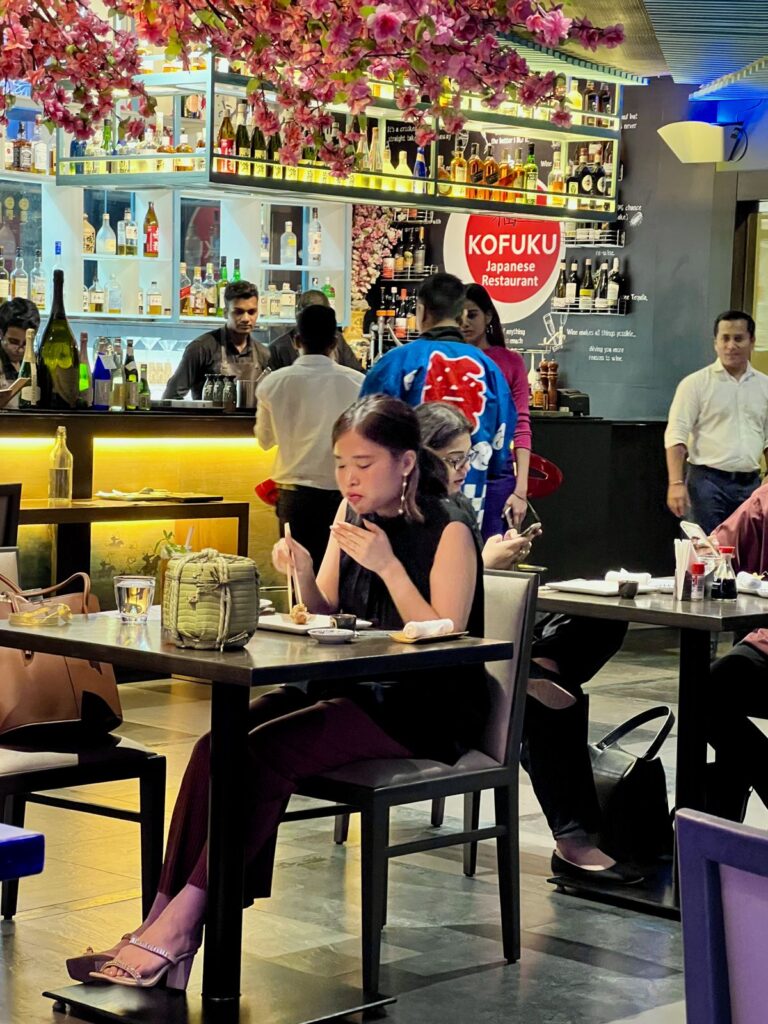
Ten years ago, awareness was extremely limited and largely confined to luxury hotels and expatriate circles. Today, urban Indian consumers are far more globally exposed through travel, social media, and international dining. While availability has improved gradually, the biggest shift has been in the willingness to experiment. Younger consumers, especially in metro cities, are actively seeking new drinking experiences and premium international products. Awareness has grown organically as a result.
Pioneer advantage
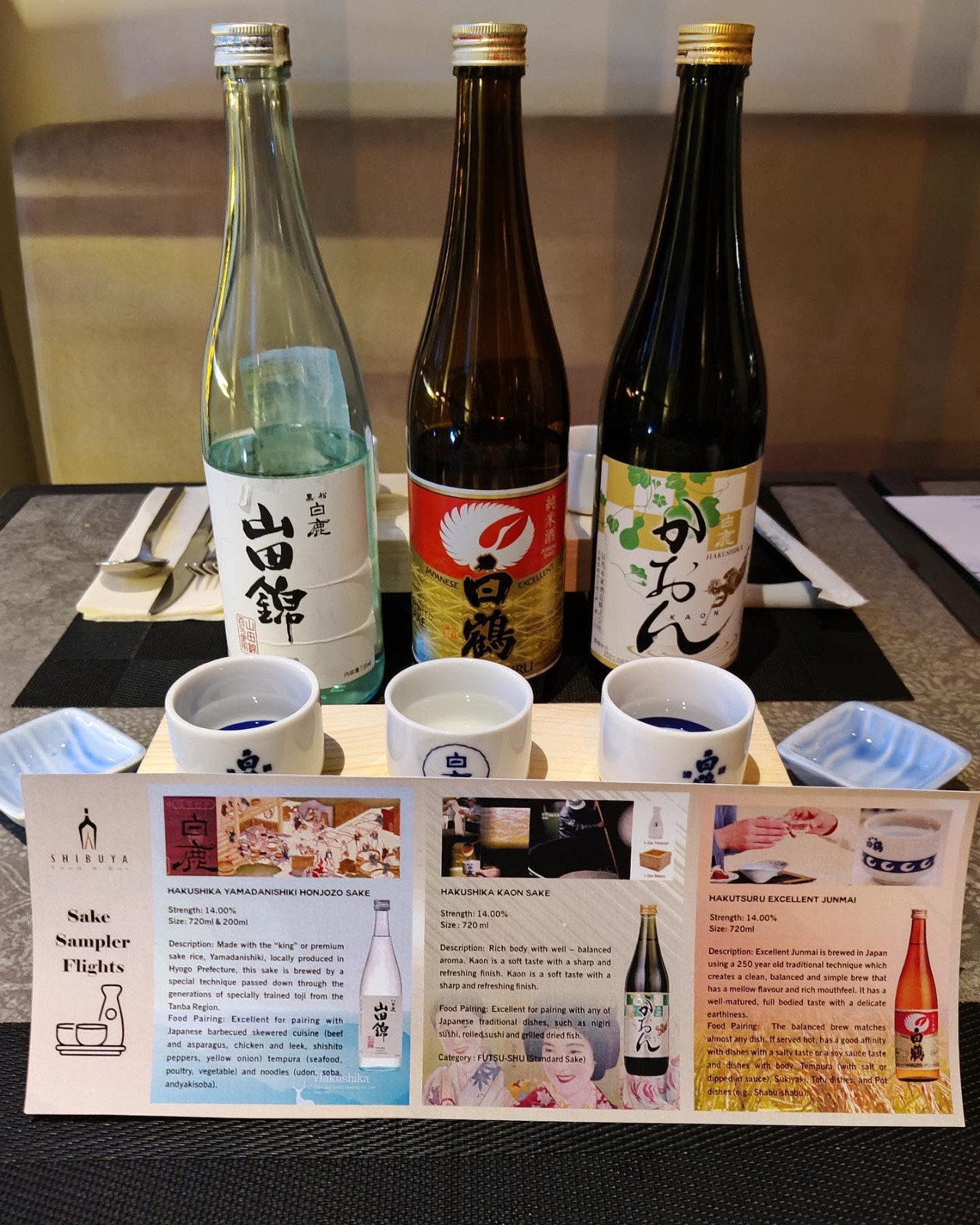
Radelan has been an early mover with brands such as Hakushika Sake, Hakutsuru Sake and Akashi Whisky. What were the biggest challenges in building these categories when consumer familiarity was close to zero? What lessons from those early years still apply today?
The initial years were about building a category from scratch. The biggest challenges included lack of consumer knowledge, absence of trained service staff, misconceptions about the products, and very high pricing due to import duties. Many consumers did not even know whether sake was a spirit, wine, or something else. The key lesson that still applies today is that education drives adoption. Tastings, food pairings, and bartender advocacy remain far more effective than conventional marketing.
Founded in 2007, Rad Elan Distributors Pvt. Ltd. is a leading distributor of imported liquor across India. The company is also one of the TOP importers of Oriental (read Pan Asian) beverages in the country.
Category growth drivers
Which Oriental beverage category is currently growing the fastest in India, and which one do you believe has the biggest long-term potential? Where are you seeing traction — premium bars, Japanese restaurants, retail shelves, or home consumption?
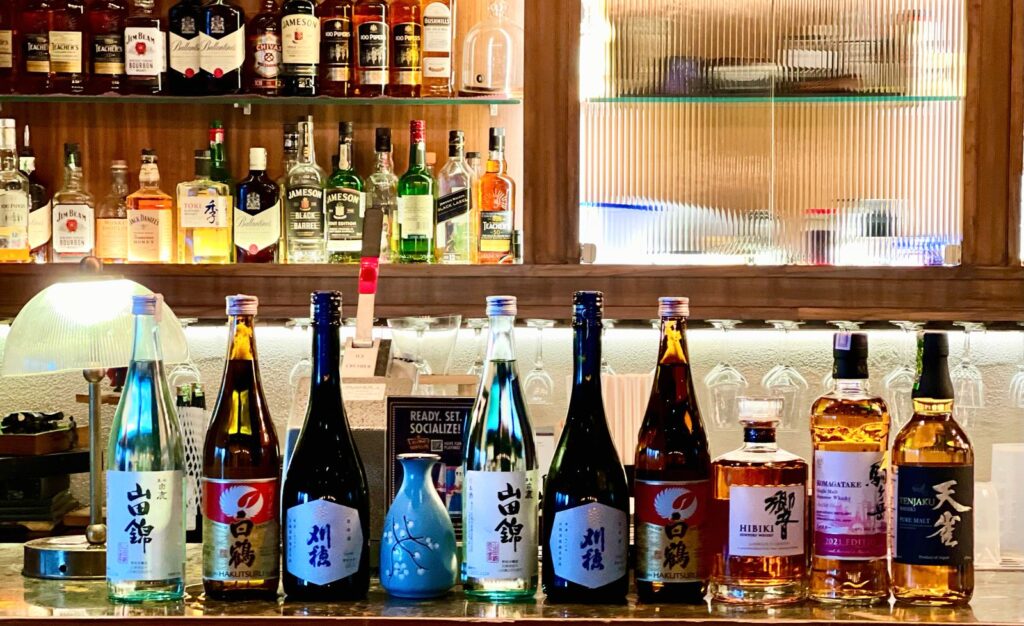
Japanese whisky is currently the fastest-growing premium segment, driven by its global reputation and aspirational value. Soju is expanding rapidly in volume, particularly among younger drinkers. Long term, Japanese whisky will dominate the premium space, while soju could achieve mass-premium scale. Sake will continue steady niche growth. Traction is strongest in premium bars, Japanese and pan-Asian restaurants, and modern retail in metro cities, with home consumption also rising.
The Japanese whisky phenomenon
Japanese whisky has become highly aspirational in India. How has demand evolved in terms of price tiers, consumer profile, and purchase occasions? Are Indian buyers still chasing scarcity, or is the market maturing into broader appreciation?
Initially, demand was fueled by awards, rarity, and collector interest. Over time, it expanded into luxury gifting and connoisseur consumption. Today, the fastest growth is in the mid-premium tier, where enthusiasts are exploring the category more deeply. The market is gradually maturing—while scarcity still excites buyers, appreciation for craftsmanship, flavor, and heritage is becoming more important.
Sake’s slow but steady rise
Despite steady growth, sake remains a niche category. What are the biggest barriers to wider sake adoption in India today — pricing, education, food pairing myths, or distribution limitations? What kind of consumer education has proven most effective?
Pricing relative to wine, lack of understanding, limited serving knowledge, and the misconception that sake pairs only with sushi are major barriers. Distribution and storage requirements also play a role. The most effective education tools have been curated pairing dinners, guided tastings, and simplifying communication around styles. Once consumers taste sake in the right context, acceptance improves dramatically.
Soju and the pop-culture effect
K-culture has boosted awareness of Korean beverages globally. How has the rise of Korean pop culture influenced demand for soju in India? Is the growth coming from new drinkers or existing spirits consumers?
K-dramas, K-pop, and Korean cuisine have significantly boosted awareness. Soju is perceived as fun, social, and approachable, with a lower alcohol feel compared to hard spirits. Growth is largely driven by new drinkers and casual consumers rather than traditional whisky drinkers. It performs especially well in group settings, casual dining, and nightlife venues.
Shochu: the next frontier?
Shochu remains relatively under the radar compared to sake and Japanese whisky. Do you see shochu as the next category ready for growth in India? What would need to happen for it to break into the mainstream bar scene?
Shochu has strong potential but needs clearer positioning. Its diversity—rice, barley, sweet potato—can confuse consumers unfamiliar with the category. For mainstream adoption, it will likely need bartender-led promotion, cocktail integration, and positioning as a premium alternative to vodka or white spirits. Increased visibility in Japanese dining experiences will also help.
ALSO READ: Can Shochu be the next big beverage in India?
Private labels and localisation
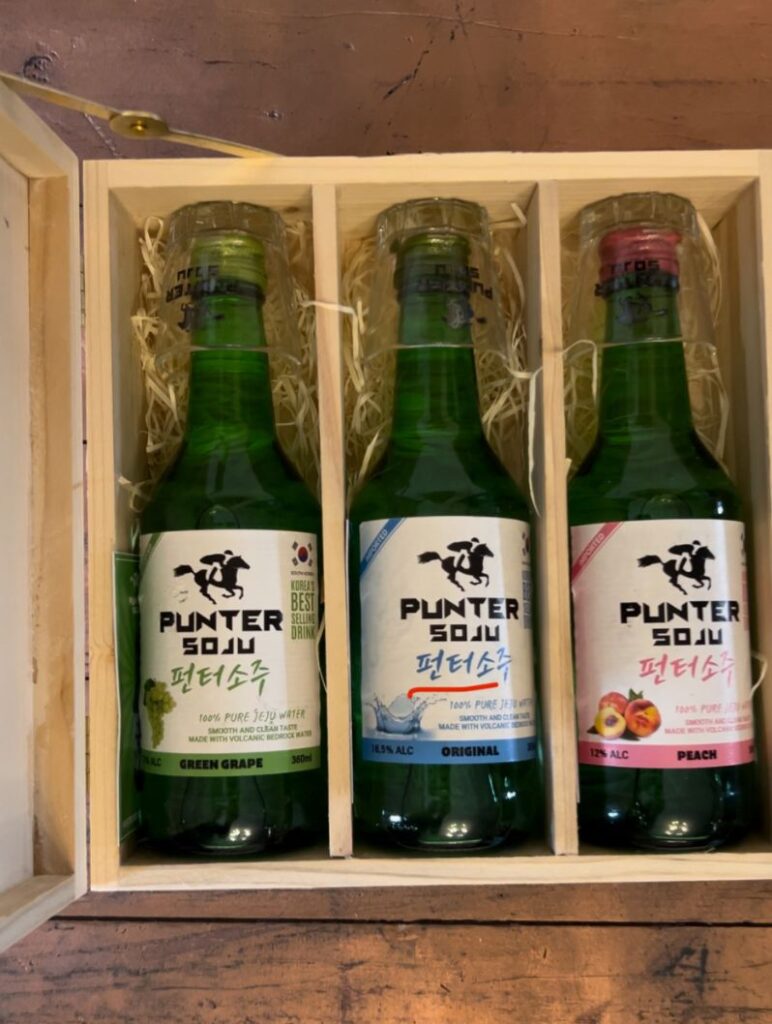
Radelan has introduced custom labels such as Punter Soju and Sakana Sake. What opportunities do private labels offer in building Oriental beverage categories in India? Do they help bridge the gap between authenticity and affordability?
Private labels offer flexibility in pricing, flavor adaptation, and branding. They allow companies to create products that are accessible to first-time consumers while maintaining an Oriental identity. In a market like India—where import costs are high—private labels can bridge the gap between authenticity and affordability, accelerating category penetration.
Market realities
What are the biggest structural challenges for importing and distributing Oriental beverages in India today? How do these challenges impact pricing and category growth?
The primary challenges are extremely high import duties, complex state-by-state regulations, label registrations, logistics constraints, and limited cold-chain infrastructure for sensitive products like sake. Advertising restrictions further limit brand building. These factors significantly inflate retail prices, making premium positioning almost unavoidable.
The next 5 years
Looking ahead,what does success for Oriental beverage categories in India look like by 2030? Which consumer trends, cities, or channels will shape the next phase of growth?
By 2030, Japanese whisky is likely to be a firmly established premium category, sake could become a recognized alternative to wine, and soju may achieve widespread presence in casual drinking occasions. Shochu could emerge as a bartender-driven discovery category.
Growth will be driven by premiumization, experiential consumption, global cuisine adoption, and moderate-alcohol preferences. Metro cities such as Delhi NCR, Mumbai, and Bengaluru will lead, while emerging urban centers like Pune, Hyderabad, Goa, and Chandigarh will play an increasingly important role. Premium on-trade venues, modern retail, travel retail, and home consumption will shape the next phase.