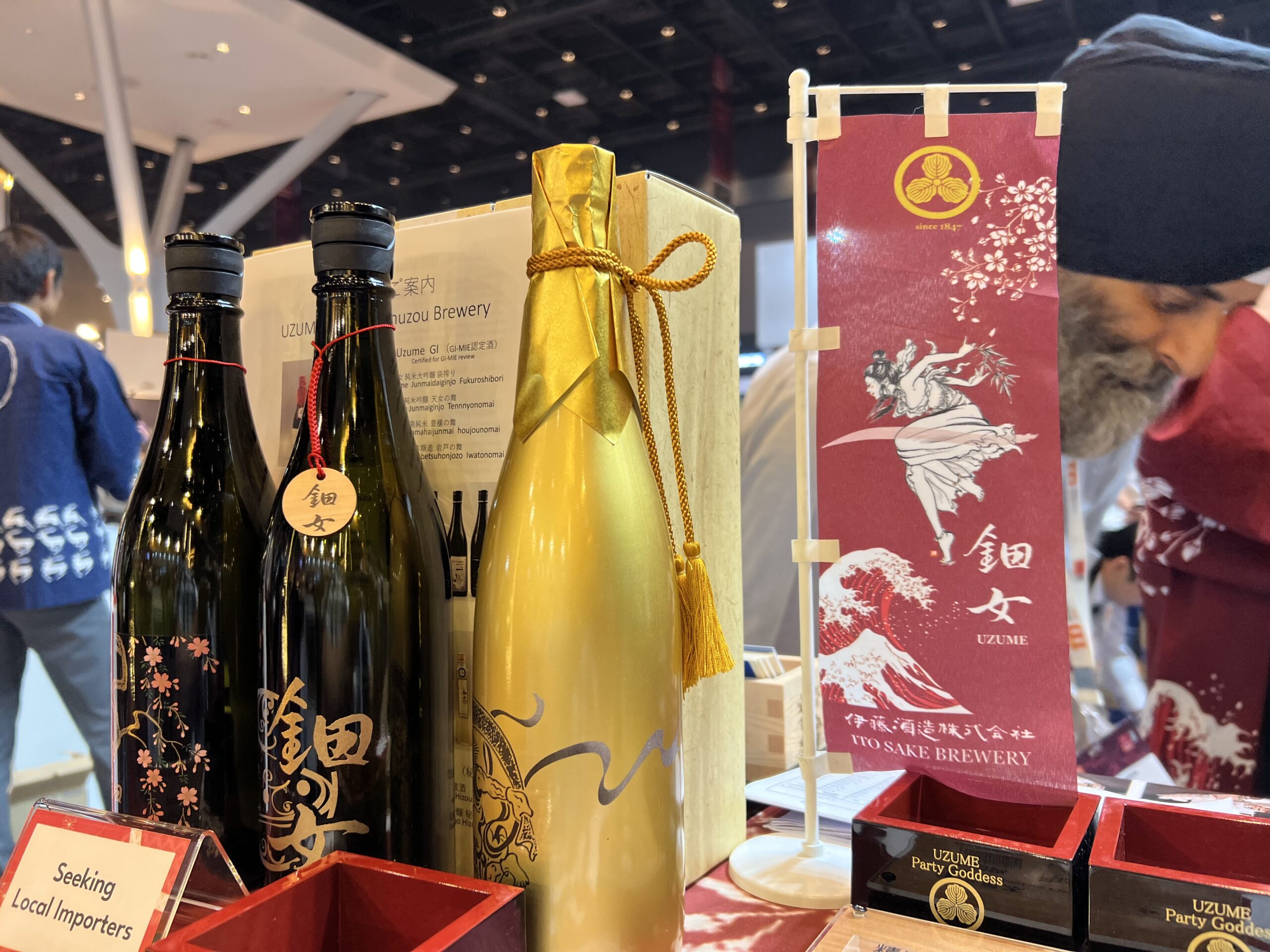
The growth of sake and a heightened interest in shochu has been lately palpable across India. But there is another ancient Japanese spirit waiting patiently in the wings, hailing not from the Japanese mainland, but from the subtropical, coral-fringed islands of Okinawa. Did you guess it already? Yes, I’m talking about Awamori.
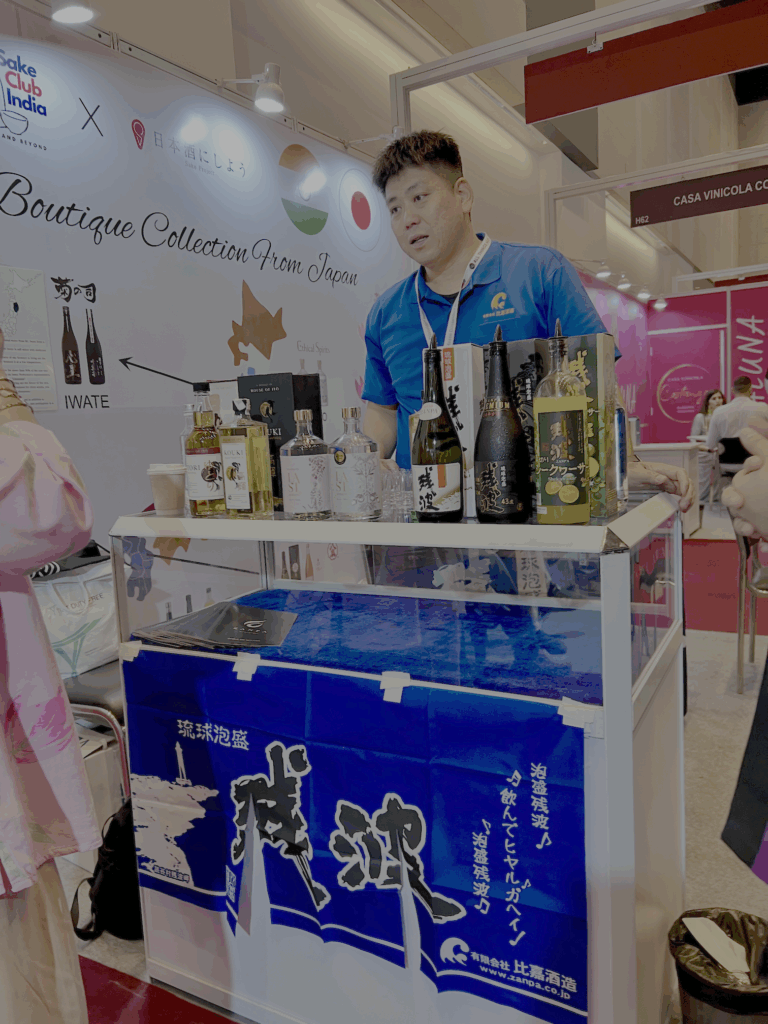
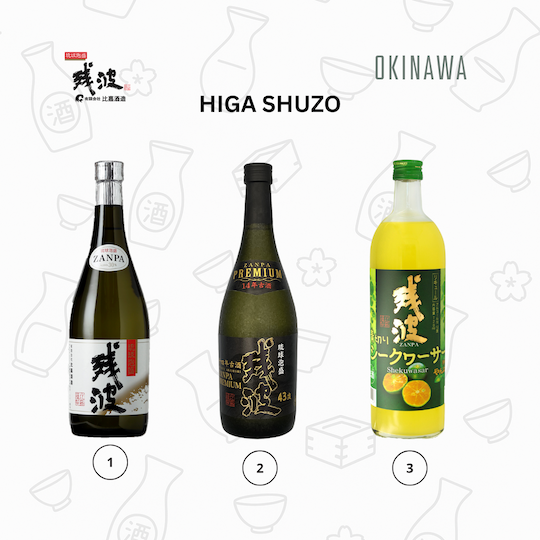
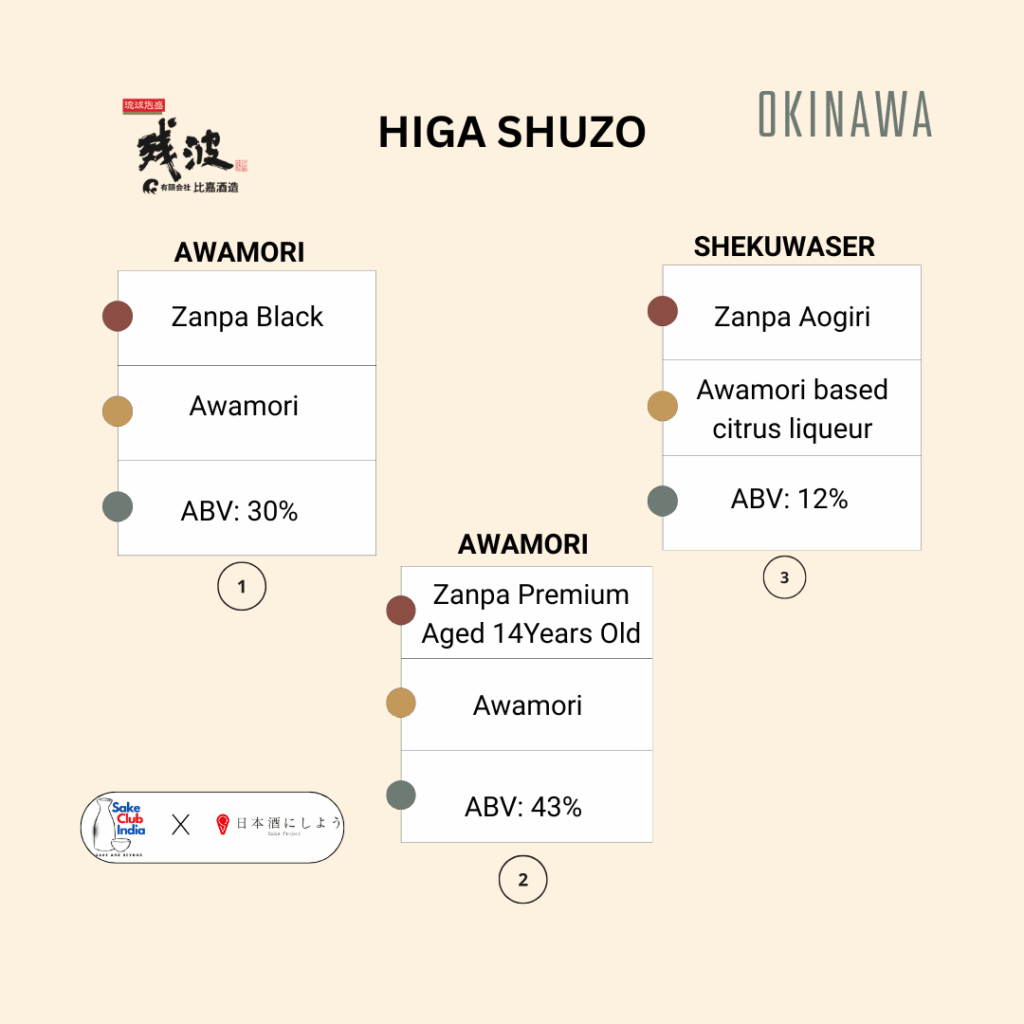
Very recently at Prowine Mumbai 2025, we had the opportunity to present two distinctive Awamori expressions and a Shikuwasa (an Awamori-based citrus liqueur) from Higa Shuzo, globally recognized for its Zanpa brand. The encouraging audience response at the event compelled me to write this piece, shining a well-deserved spotlight on one of the most ancient and history-rich beverages known to mankind.
Awamori- what is it?
Awamori is a traditional Japanese distilled spirit, quite similar to shochu, but possessing fundamental differences that grant it a special, protected status. The spirit is indigenous to the Okinawa Prefecture, formerly the independent Ryukyu Kingdom of Japan.
Awamori’s distinctiveness comes down to three core elements:
The Rice: Unlike sake or most shochu, Awamori is made exclusively from long-grain Indica rice (specifically Thai rice), which is imported for this purpose. This is a contrast to the short-grain Japonica rice used in mainland Japanese beverages.
The Koji: Awamori production mandates the use of Black Koji (Aspergillus luchuensis). This particular strain of mold produces high amounts of citric acid, which is essential for fermenting in the warm, humid Okinawan climate and gives the spirit its characteristic richness. Other Japanese spirits typically use White or Yellow Koji.
Single Fermentation: The rice, Black Koji, and water are fermented together in a single-stage process before distillation.
Awamori Vs. its Japanese Cousins
While shochu can be made from a variety of base ingredients like barley, sweet potato, or rice , and can be multiple-distilled like vodka, Awamori’s process is rigidly defined and singular. A quick snapshot on the essential differences between awamori, sake and shochu is given in the following table:
| Feature | Awamori | Shochu (Honkaku) | Sake |
|---|---|---|---|
| Category | Distilled Spirit | Distilled Spirit | Brewed Beverage |
| Base Ingredient | Long-Grain Indica Rice Only | Varied (Barley, Sweet Potato, Rice, etc.) | Short-Grain Rice |
| Koji Type | Black Koji (Aspergillus luchuensis) | Typically White or Yellow Koji | Yellow Koji (Aspergillus oryzae) |
| Distillation | Single Distillation (typically pot still) | Single Distillation | N/A (Brewed) |
| Alcohol Content | Typically 30%–43% ABV | 20%–45% ABV (Most commonly 25%) | Typically 15%–17% ABV |
The Black Koji and single distillation in awamori yield an aromatic, full-bodied, and flavorful spirit that retains the depth of its rice origins.
The Solera of the East: The Kusu Tradition
Awamori has a unique and remarkable aging tradition. Bottles aged for three years or more are called Kusu (meaning “old liquor”). Similar to fine malt whisky, Kusu develops incredible complexity, smoothness, and deep caramel-like flavors over time, sometimes aged for decades!
Crucially, the traditional method for maintaining a long-aged Kusu inventory shares a philosophical, if not technical, similarity with the famous Solera system used for Sherry and Brandy de Jerez. In this traditional Okinawan approach, distillers practice successive blending:
- When a portion of the oldest Kusu is bottled, the container is immediately topped up with a younger Kusu.
- This ensures that the final product always contains a trace of the original, oldest spirit, carrying its character forward perpetually.
- The aging vessel is never fully emptied, maintaining a continuous, evolving batch of matured spirit.
- This practice showcases the reverence for age and history in Okinawan distillation, offering drinkers a taste of a continuously preserved legacy.
A Glimpse into the Past
Awamori’s history stretches back over 500 years, predating shochu. It is believed that the distillation technique was introduced to Okinawa from Thailand via Southeast Asian trade routes during the Ryukyu Kingdom era. The royal court controlled its production, and Awamori became a key product for trade and diplomacy with China, Japan, and other nations—a true spirit of statecraft.
Today, this rich history is bottled in every sip, connecting the drinker to the proud, distinct culture of Okinawa.
How to Enjoy Awamori
The versatility of this spirit makes it an exciting new addition to any repertoire.
- Neat or on the Rocks: For high-end Kusu or older expressions, enjoying it neat allows the complex, nutty, and savory notes to shine.
- Mizuwari (with water) or Oyuwari (with hot water): Similar to shochu, mixing it with water is a traditional way to appreciate its profile. Hot water in winter enhances its aromas.
- In Cocktails: Its robust flavor profile holds up exceptionally well in cocktails, making it a natural fit for India’s thriving mixology scene. It can be a fascinating substitute for vodka, rum, or even gin, lending a unique Okinawan twist.
As more Indian connoisseurs travel, explore, and gain a taste for authenticity, Awamori is poised to make a memorable debut. Its unique lineage, the complex flavour of its Kusu, and fascinating history make it an essential spirit for anyone seeking to deepen their appreciation of Japanese and Asian beverage culture.
Looking forward to the day when this ‘spirit of the South’ takes centre stage!