

India’s alcoholic beverages market is evolving rapidly. Rising consumer awareness and a new wave of Free Trade Agreements (FTAs) are reshaping how imported wines and spirits are priced, positioned and consumed in the country. Over the past few years, India has signed multiple FTAs that directly affect alcoholic beverage imports, though the benefits vary widely by product category and partner country.
The most significant among these is the India–European Union FTA, which, once fully implemented, is expected to make European wines and spirits more affordable through phased reductions in import duties. While state taxes will continue to influence final retail prices, the overall landed cost of European alcohol is likely to decline.

Commenting on the agreement, Commerce and Industry Minister Piyush Goyal described it as the “mother of all deals,” stating that it would be mutually beneficial for businesses and consumers, and would make luxury imported products—including premium wines and spirits—more accessible to India’s growing middle and affluent classes.
India has also entered into FTAs with the UK, Australia and New Zealand. These agreements, rolled out gradually, offer tariff relief or improved access for select alcoholic beverage categories. This brings into focus an important question: where does Japanese sake stand amid these changes?
India and Japan have had a Comprehensive Economic Partnership Agreement (CEPA) in place since 2011, but it does not extend meaningful tariff concessions to Japanese alcoholic beverages. As a result, Japanese sake continues to attract high import duties along with other taxes. As new FTAs make alcohol from some countries progressively cheaper, sake is likely to face stronger competition than in the past.

Sake Market Dynamics in India
Sake, commonly referred to as Japanese rice wine, remains a niche category in India. Consumption is largely limited to metro cities, Japanese restaurants, luxury hotels and a small but growing base of informed consumers.
By comparison, the Indian wine market is estimated to exceed USD 250 million, while sake accounts for well under one percent of this figure. Availability remains limited, with only a small number of brands and styles regularly present in select retail and on-trade outlets.
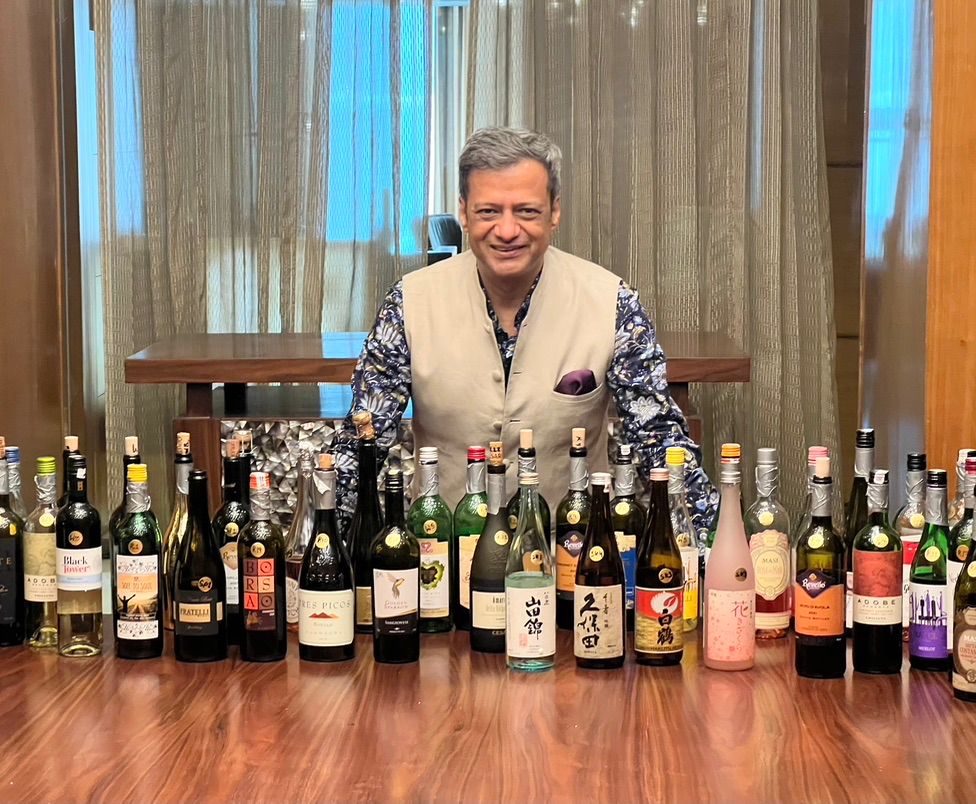
Pricing remains one of the biggest challenges. Even entry-level sake often retails higher than a wine of similar perceived quality. This reflects production costs in Japan, temperature-controlled logistics, smaller shipment volumes, high customs duties and state-level taxes. As the impact of recent FTAs unfolds, the absence of similar tariff relief for sake becomes increasingly apparent.
Other Challenges forJapanese Sake in India
Low consumer awareness
Most Indian consumers are still learning what sake is and how it differs from wine or spirits. While terms such as Junmai, Ginjo and Nama are gaining recognition, they remain unfamiliar to the average consumer.
Alcohol strength versus drinking experience
Sake generally has a higher alcohol content than wine, yet is smooth and easy-drinking. Because it is traditionally served in small cups and often poured in 50 ml or lesser measures in India, it can appear expensive when compared with a standard wine pour.
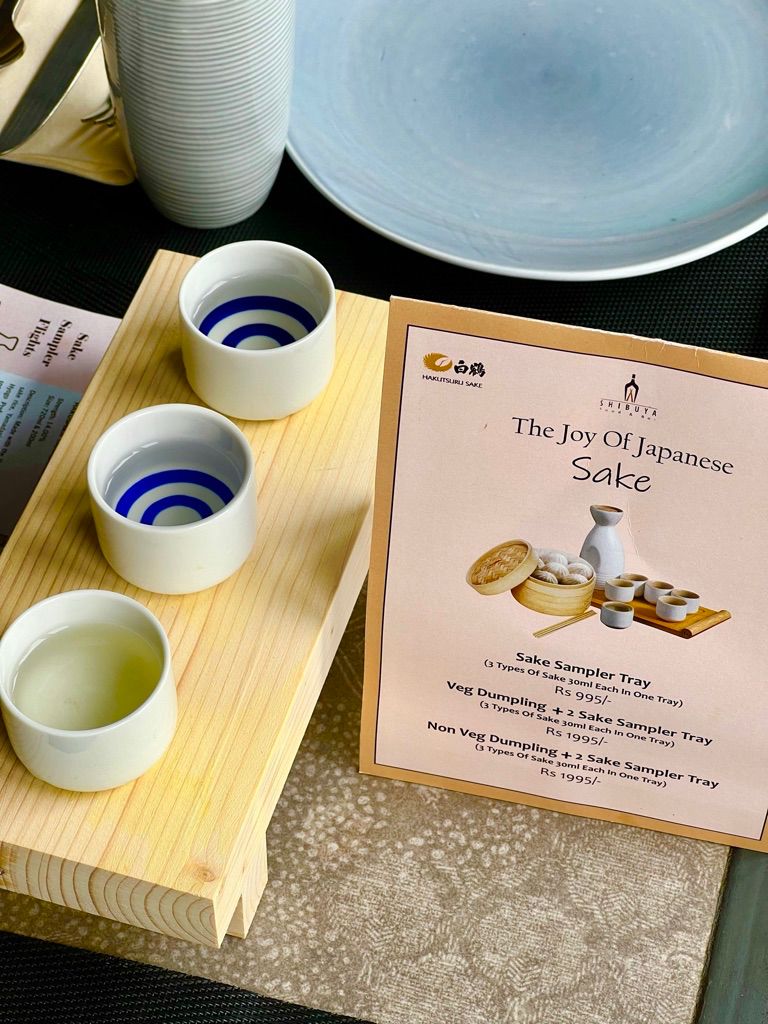
Limited English information on labels
Many sake bottles emphasise Japanese branding with limited English information on the front label. Although English back labels are mandatory in India, they are not always noticed. Clear front-label information on style, alcohol content and sweetness can significantly improve consumer understanding.
Conservative market outreach
Japanese producers often rely on Japanese representatives or Japan-based decision making for India. While understandable, this can slow local adaptation. In a relationship-driven market like India, deeper engagement with local importers, distributors and on-trade decision makers, supported by Indian brand ambassadors or consultants, can accelerate listings and long-term growth.
Factors Supporting the Growth of Sake in India
Despite these challenges, several trends strongly support the future of sake in India:
Novelty and premium appeal
Indian consumers, particularly in metro cities, are increasingly open to exploring new alcoholic beverages beyond whisky, beer and wine. Sake’s artisanal image and association with Japanese craftsmanship give it strong premium appeal.

Growth of Japanese cuisine in India
Japanese restaurants, sushi bars and izakaya-style formats are expanding across major cities, providing a natural platform for sake—especially when supported by pairing menus and staff training.
International travel exposure
As more Indians travel abroad, exposure to quality sake through restaurants, retail and duty-free channels is increasing. Many returning travellers also introduce sake to friends and family, helping build awareness organically.
Strong perception of Japanese quality
Japanese products enjoy a strong reputation in India for quality and reliability. This positive “Brand Japan” perception works in favour of sake, even at higher price points.
Recommendations for Japanese Sake Producers Pending a Similar FTA
Recent FTAs are making wines and spirits from Europe and the UK more competitive, while Japanese sake remains outside comparable trade concessions. This places the category at a clear disadvantage, particularly in price-sensitive premium segments.
In the long term, Japanese industry bodies may need to engage with their government and Indian counterparts to explore more favourable tariff treatment. In the meantime, producers must focus on sharper market execution: increased participation in India-based B2B tastings and trade fairs, clearer English labelling, and stronger engagement with Indian importers and on-trade professionals.
Also Read: Japanese Drinks Meet Mumbai: Reflections from ProWine Mumbai 2025
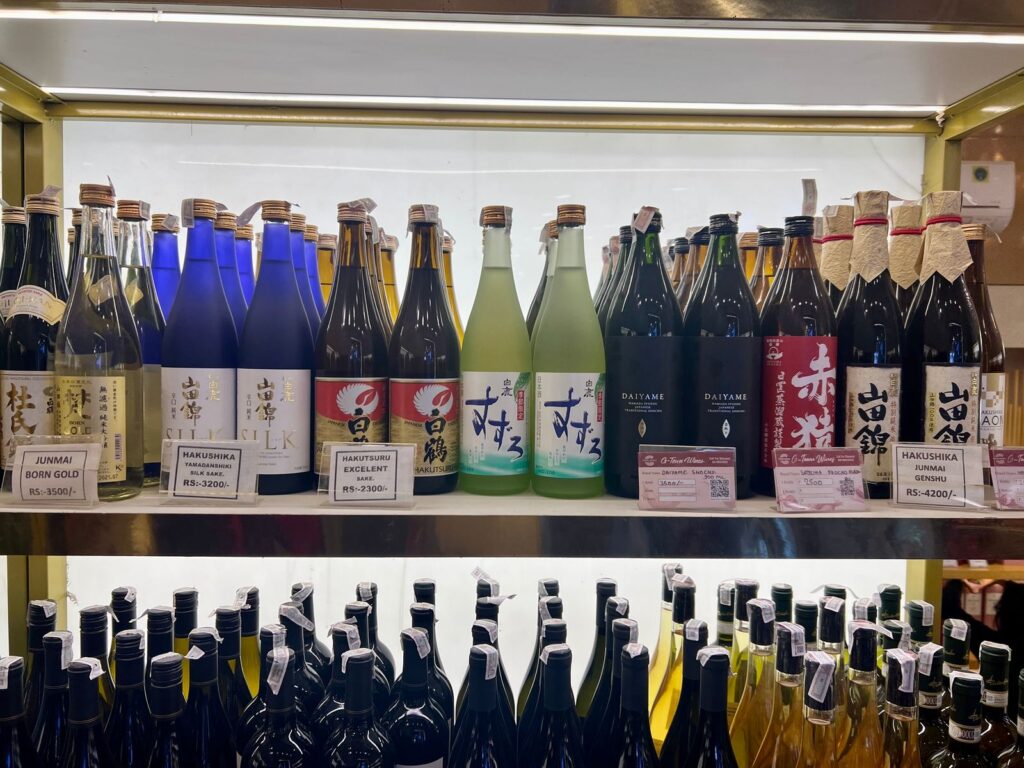
At the consumer level, education and storytelling through tastings, pairing events and digital content will be key to building confidence and repeat consumption. From a commercial standpoint, approachable and cost-effective styles, such as good-quality Futsu-shu or Honjozo, are more likely to drive sustainable volumes than portfolios focused only on ultra-premium expressions.
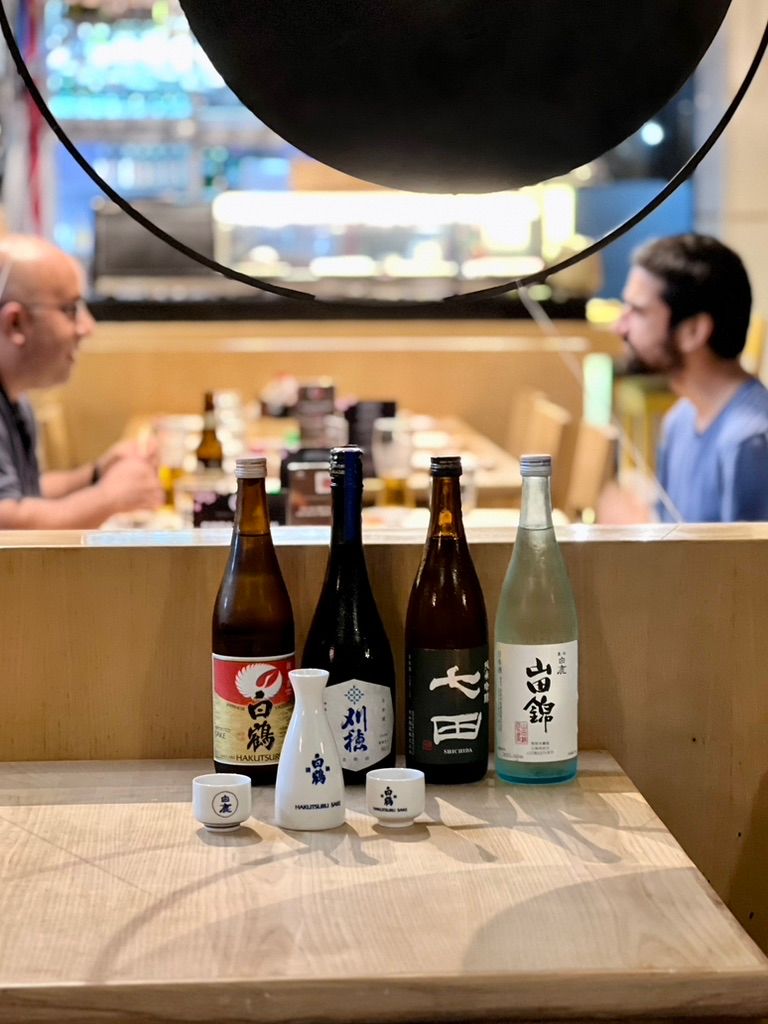
Despite current structural challenges, the fundamentals remain encouraging. Rising consumer curiosity, the expansion of Japanese cuisine and strong Brand Japan equity provide a solid foundation. With a focused, locally relevant strategy—and over time, more supportive trade conditions—Japanese sake in India can move from a niche curiosity to a stable, premium-leaning category.

