There are bottles that quietly reinforce what you already know. And then there are bottles that make you pause, to soak in their uniqueness while trying to decipher the same.
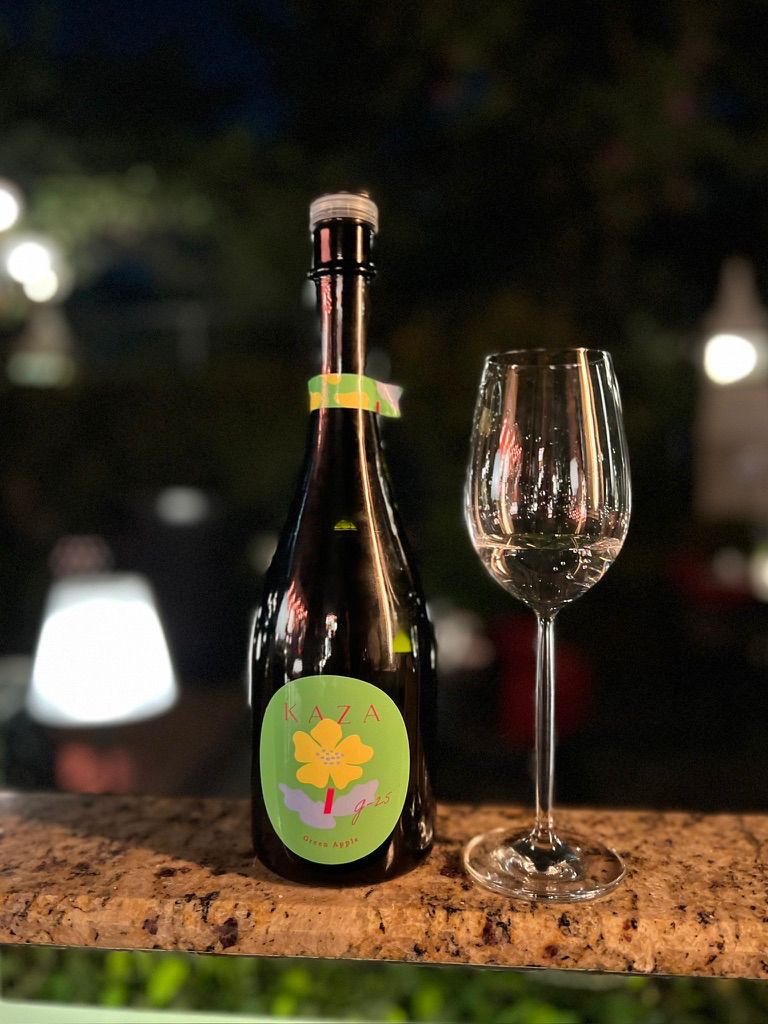
KAZA G-25 Shochu from Sakagura Ohtemon falls firmly into the second category.
I recently spent some time with this barley shochu, and what struck me immediately was how deliberately it steps just outside the familiar boundaries of the category, without losing its identity.
A Shochu Built Around Aroma
The name KAZA comes from the Miyazaki dialect word for “aroma”, which feels less like branding and more like a promise. This is the first shochu produced using GABT whisky yeast, a choice that makes it more expressive rather than loud. GABT yeast is largely being used in the production of some flavourful malt and grain whiskies.
The acronym GABT itself stands for Green Apple, Buttery – Apple Pie, a yeast that offers a range of desirable aromas and flavours in new age spirits.
As a category, barley shochu typically sits in a comforting space of softness and cereal-driven expression. KAZA G-25 begins with these inherent traits, before evolving into more layers of complexity.
First Impressions in the Glass
Served neat, the nose opens with something surprisingly familiar yet unexpected in shochu:
Green apple.Cereal. Sweet Spice. Mint.
The aromas are subtly nuanced, with whisky yeast influence becoming evident almost immediately. This gives the spirit a lift and brightness that feels unusually aromatic for the category.
On the palate, the texture is clean and structured, thanks to vacuum distillation, which preserves delicate aromatics while keeping the spirit light and precise.
At 42% ABV, the alcohol is unbelievably smooth on the palate, carrying flavour rather than overwhelming it.
Why many shochu makers use vacuum distillation
Vacuum distillation lowers the boiling point of alcohol, allowing distillation to happen at much lower temperatures than traditional atmospheric distillation.
- Preserves delicate aromatics → fruit, floral and cereal notes remain intact
- Creates a lighter, cleaner texture → softer mouthfeel, less heaviness
- Enhances versatility → better suited for mizuwari and highballs
- Improves consistency → precise control over flavour profile
In simple terms: Vacuum distillation helps shochu stay aromatic, smooth, and easy to mix.
Versatility by Design
Shochu is often described as a versatile spirit, but KAZA G-25 feels intentionally engineered for versatility.
The producer recommends:
- Neat or on the rocks
- Mizuwari (with water)
- Soda highball
- Even a green tea highball
In practice, each format tells a slightly different story.
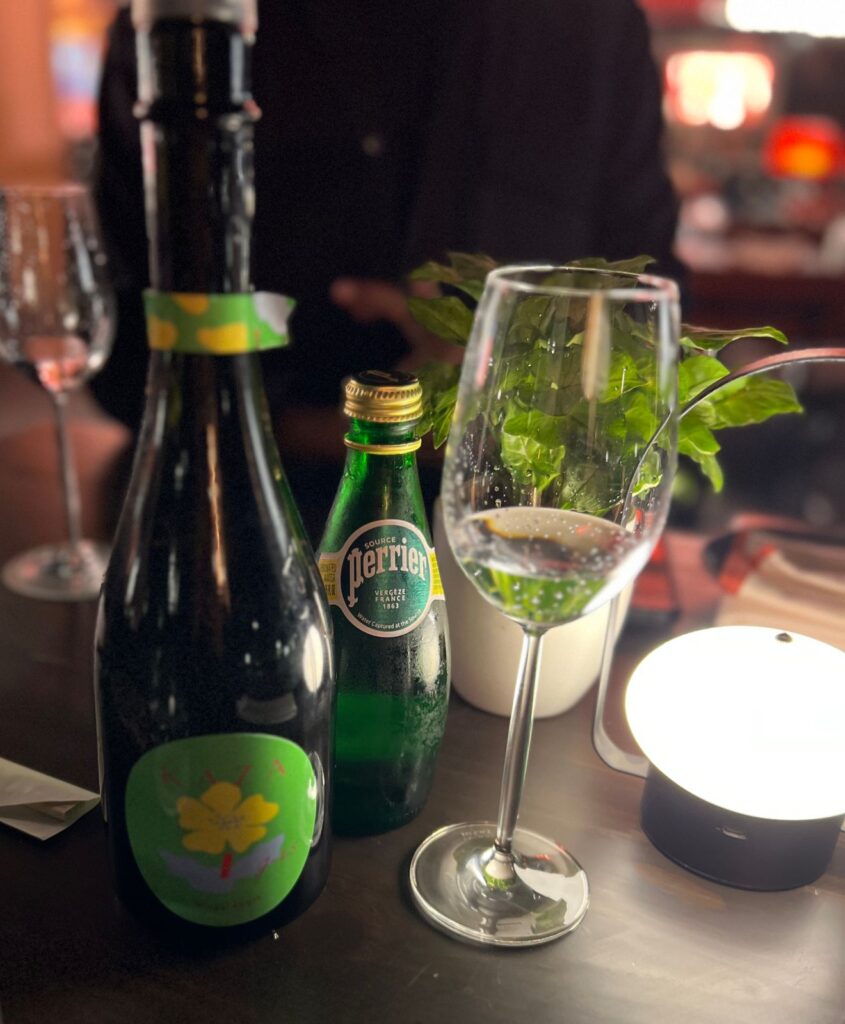
Adding water softens the cereal backbone and pushes the fruit forward.
With soda, the spirit becomes distinctly sessionable — bright, refreshing, and extremely food-friendly.
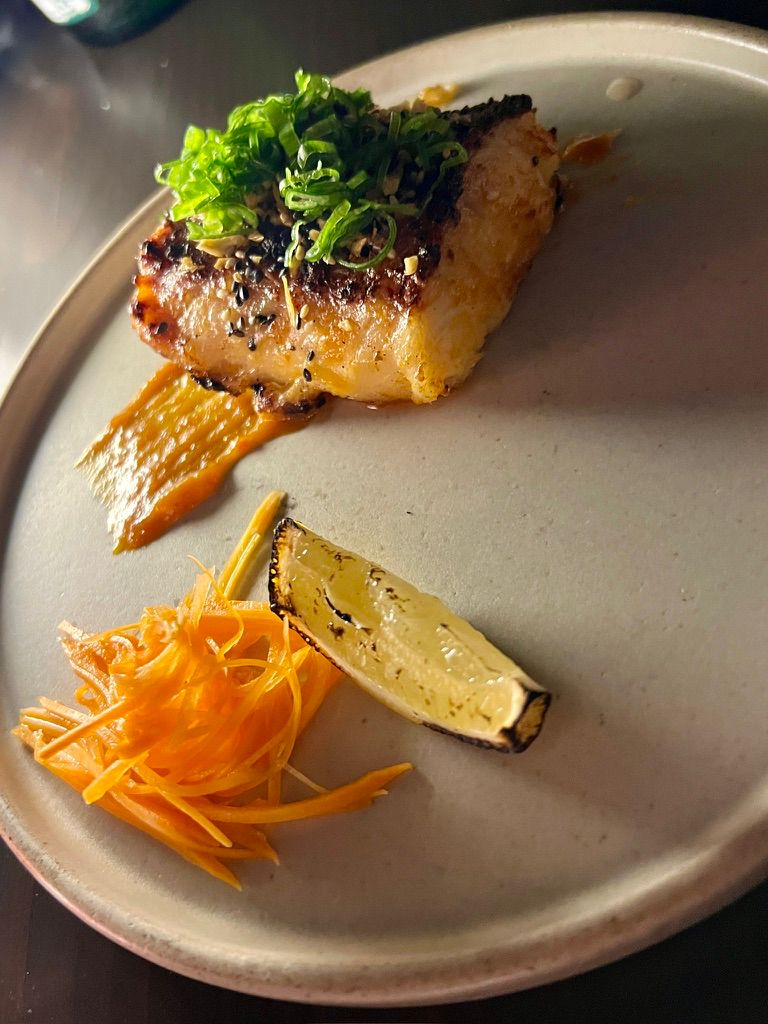
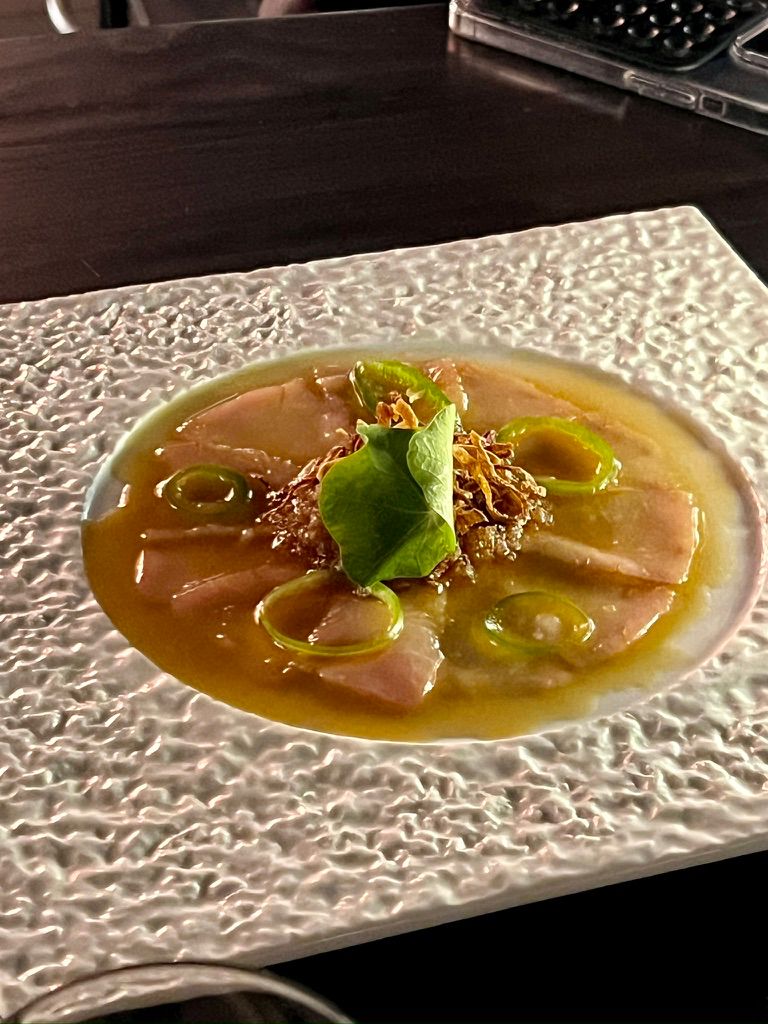
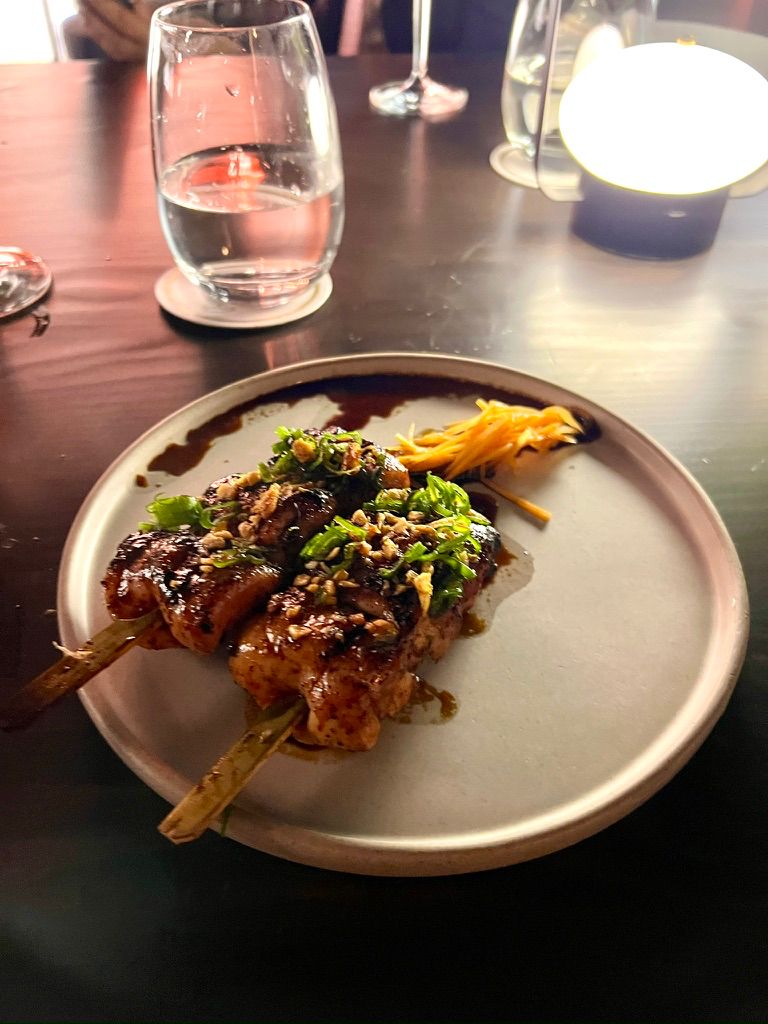
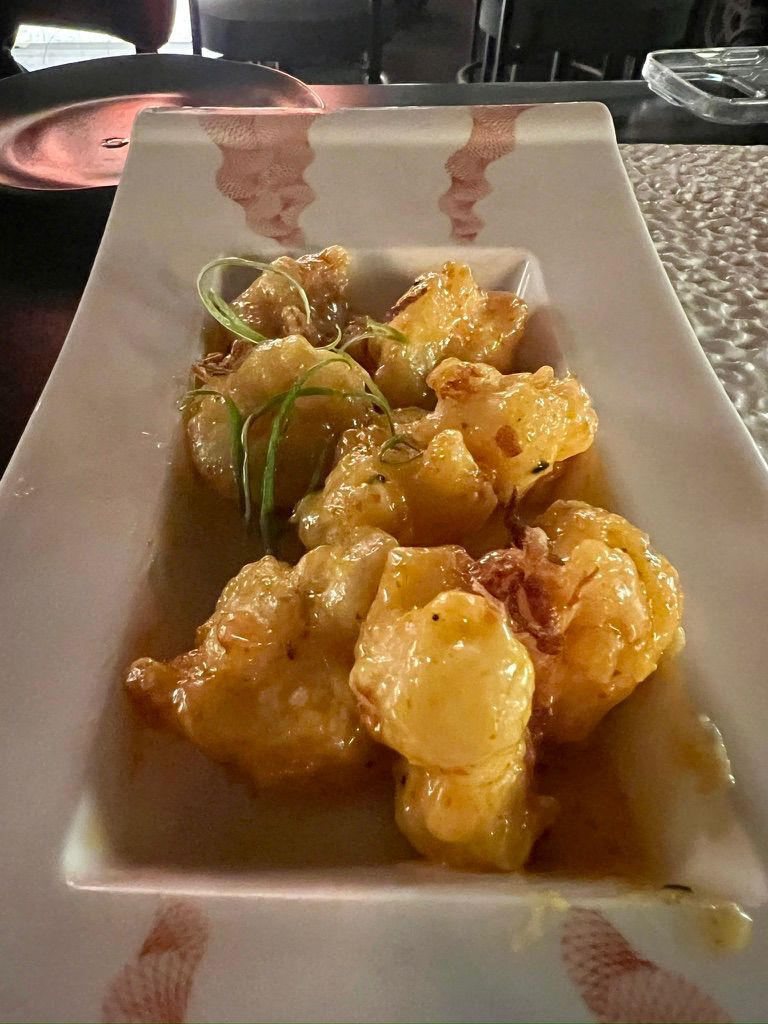
We tried a range of food with the same shochu continuing through the evening and all the food courses blended with it seamlessly, emphasising the shochu’s versatility further.
The Ohtemon Story
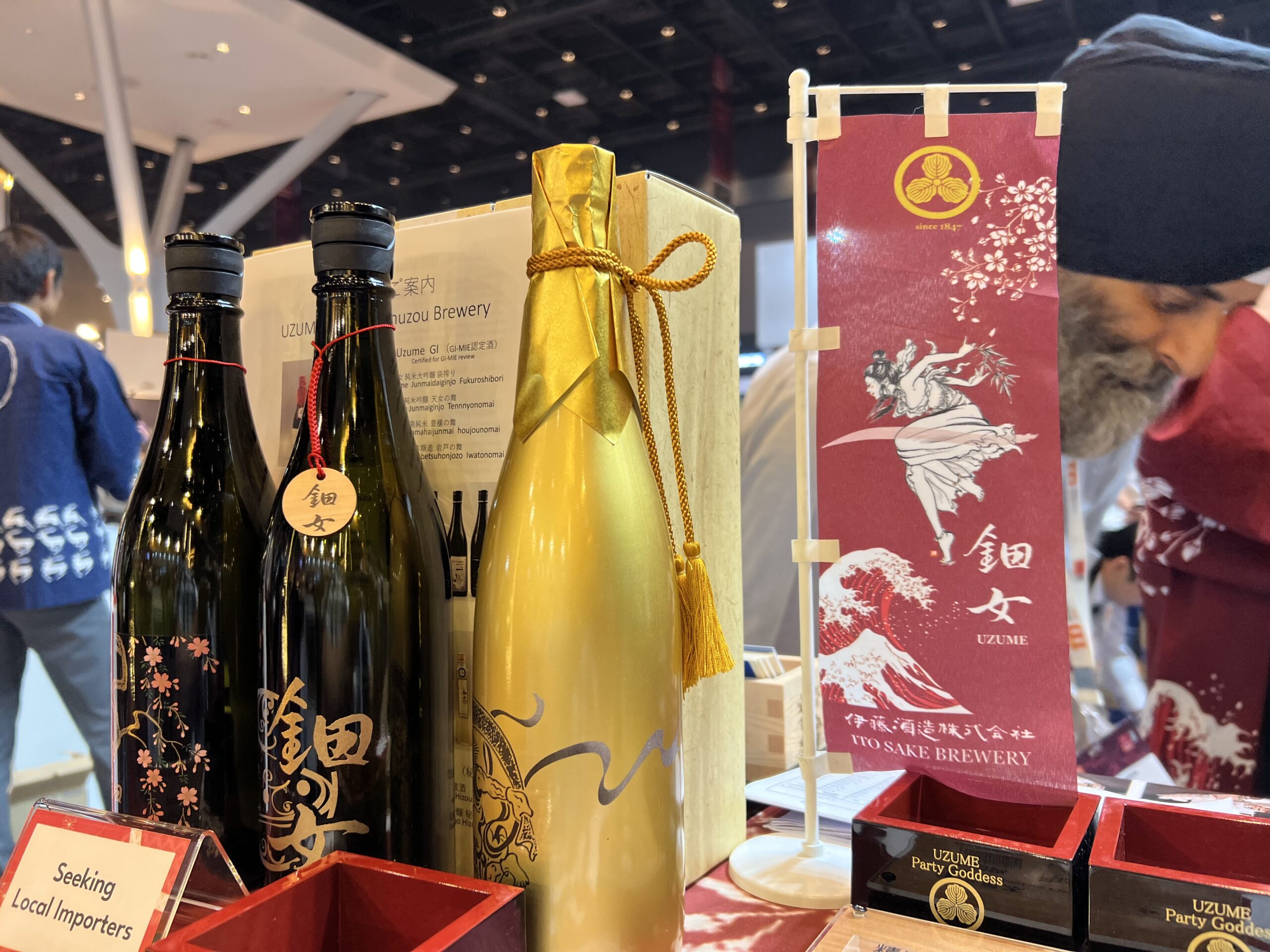
Sakagura Ohtemon, based in Miyazaki, has long been associated with innovation in the shochu space. While deeply rooted in tradition, the brewery has consistently explored how yeast, raw materials, and distillation choices can expand the aromatic possibilities of the category.
KAZA G-25 feels like a natural continuation of that philosophy — respectful of shochu’s heritage yet clearly looking outward toward new drinkers and new contexts.

Our final take on Kaza G-25 Shochu in the Indian context
For markets like India, where shochu is still in the early stages of discovery, bottles like KAZA G-25 can play an important role in offering distinctively unique expressions.
Its aromatic profile offers an accessible bridge for drinkers familiar with whisky and highballs, while still retaining the identity of single-distilled Japanese spirits.
Behind the bar, the possibilities could be many. Served on the rocks, it can work as an immediate conversation starter. As a highball, it can be bright and approachable. Bartenders could also experiment with shochu-led twists on classics — from the Martini and Daiquiri to lighter Mojito style serves, an area where India’s creative bar talent can truly have some fun. In short, KAZA G-25 has the versatility to spark imagination.
Pricing, however, will be critical. India remains a highly price-sensitive market, and the ultra-niche positioning of shochu adds another layer of challenge.
Yet, where there are challenges, there is also opportunity. With the right partnerships, smart positioning, and focused on-trade activation, shochus like KAZA G-25 could well find a promising foothold in India’s rapidly evolving bar landscape.