

Ichi Koji, Ni Moto, San Tsukuri– the Japanese phrase that translates as “First Koji, Second Yeast Starter and third Fermentation” lists out the hierarchical importance of the principal ingredients and processes of sake production. No wonder then, that Koji rules the roost in this world of sake production. But what exactly is Koji? Read on to find out more about this wonderful micro organism without which sake probably wouldn’t exist.
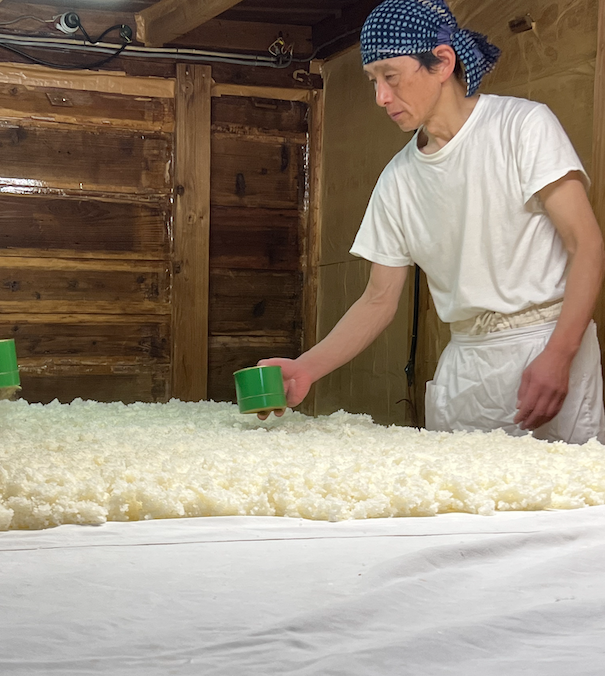
What is Koji
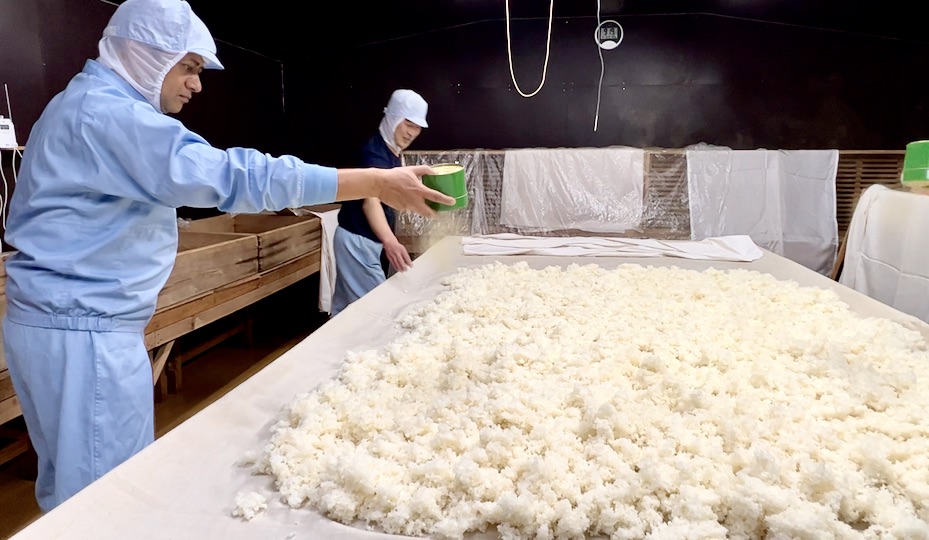
In simple words, Koji is a naturally occurring mold that converts starch in the rice to fermentable sugars during the process of sake making. Scientifically known as Aspergillus oryzae, it is used not only in sake making but also in other traditional Japanese products like miso and soy sauce. Koji’s origins lie in ancient China, where it was first referenced as early as 300 B.C., later getting introduced in Japan to became deeply embedded in the Japanese food culture.
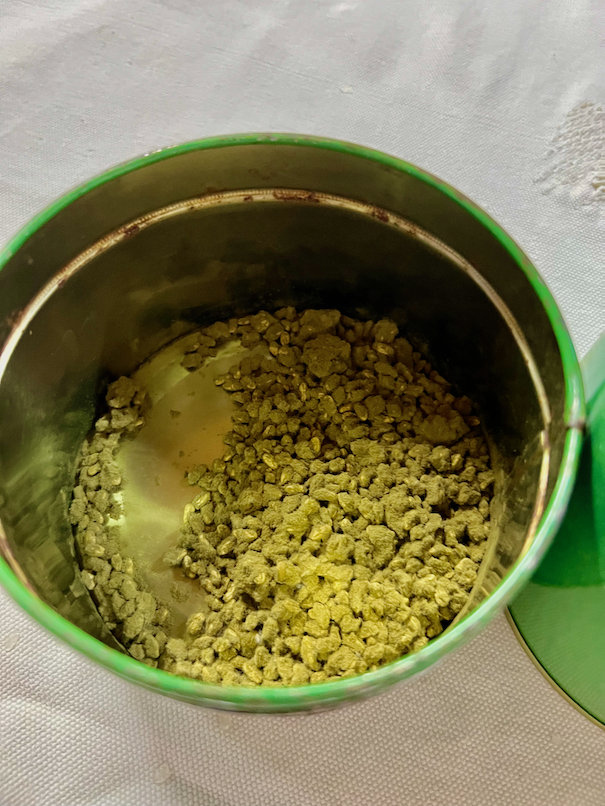
Why Koji is Essential to Sake Making
Sake is brewed not from sugar-rich grapes, but from starch-heavy rice. Koji provides the critical enzymatic power to break rice starches into fermentable sugars—a process called saccharification. Without koji, the yeast wouldn’t have any sugar to convert into alcohol. Additionally, koji enzymes break down proteins into amino acids, enriching sake’s signature umami profile.


Types of Koji: Understanding by Colour
Koji molds are classified by color—each with specific fermentation characteristics and applications:
- Yellow Koji (Aspergillus oryzae): The classic strain for sake. Produces delicate aromas and balanced enzymatic activity. Used in sake, miso, soy sauce, and amazake. Sensitive to heat and humidity.
- White Koji (Aspergillus kawachii): Common in shochu and some amazake. Produces high citric acid, preventing bacterial growth and adding a citrusy note. More stable in warmer climates.
- Black Koji (Aspergillus luchuensis): Predominantly used in Okinawan awamori and some shochu. Produces even more citric acid and enhances umami. Though it stains equipment, it’s ideal for hot, humid environments.
Preservation and Distribution of Koji Strains
The Japanese government accords great importance to preserving the heritage of koji. The National Research Institute of Brewing (NRIB), under the National Tax Agency (NTA), is the central authority that researches and maintains koji strain libraries and supports breweries with technical and regulatory guidance.
Koji is cultivated and distributed by specialist companies known as moyashiya (koji seed makers) of which just a few exist throughout Japan. These companies often maintain vast libraries of koji molds and serve as custodians of centuries-old microbial heritage.
Is Koji Exclusive to Japan?
While koji is deeply embedded in Japanese culture, it is not exclusive to Japan. The mold itself—Aspergillus oryzae—is used globally today. In the U.S., Europe, and Southeast Asia, chefs, brewers, and fermenters are embracing koji for new applications in gastronomy, brewing, and biotechnology. However, the cultural and regulatory ecosystem supporting koji remains most developed in Japan.
In Conclusion
Koji is not just a fermentation tool—it’s the very spirit of sake making. From its ancient roots to its modern scientific management, koji remains central to Japan’s culinary identity and its global sake legacy. Understanding koji means understanding the transformation of humble rice into something extraordinary.
For those in India passionate about sake, Sake Club India continues to explore the cultural and scientific marvels behind every pour. Join us on this journey into the heart of sake by subscribing to our newsletter.


