

With 2024 behind us, I find myself reflecting on the year gone by filled with milestones for Sake in India. 2024 saw a pivotal growth and 2025 is likely to be even better by building up on the good work of the year gone by. Here are five enabling factors from 2024 that will help Sake in India in 2025.
1. Easier imports
2024 saw the much awaited registration of Sake as a Geographic Indication (GI) in India, and the results have already started showing through an increasing number of new Sake labels being introduced in the country.
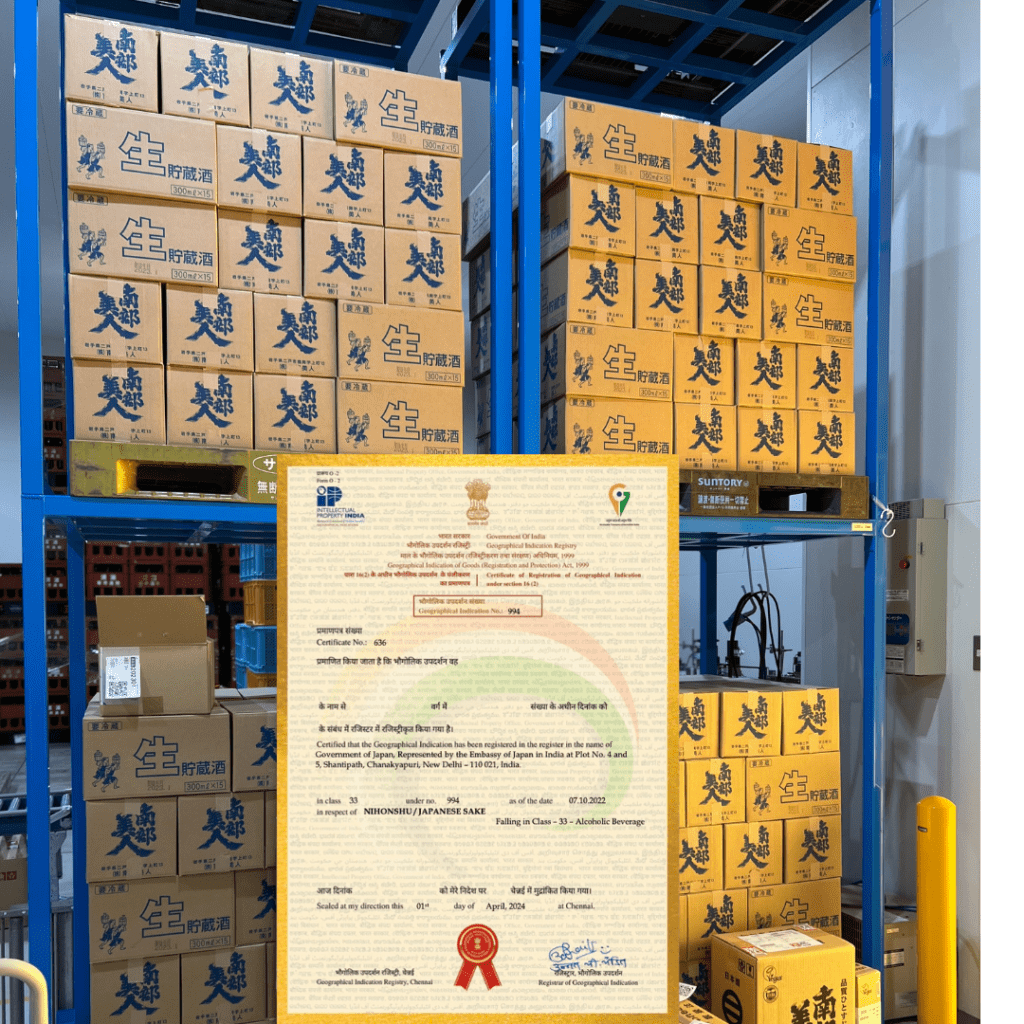
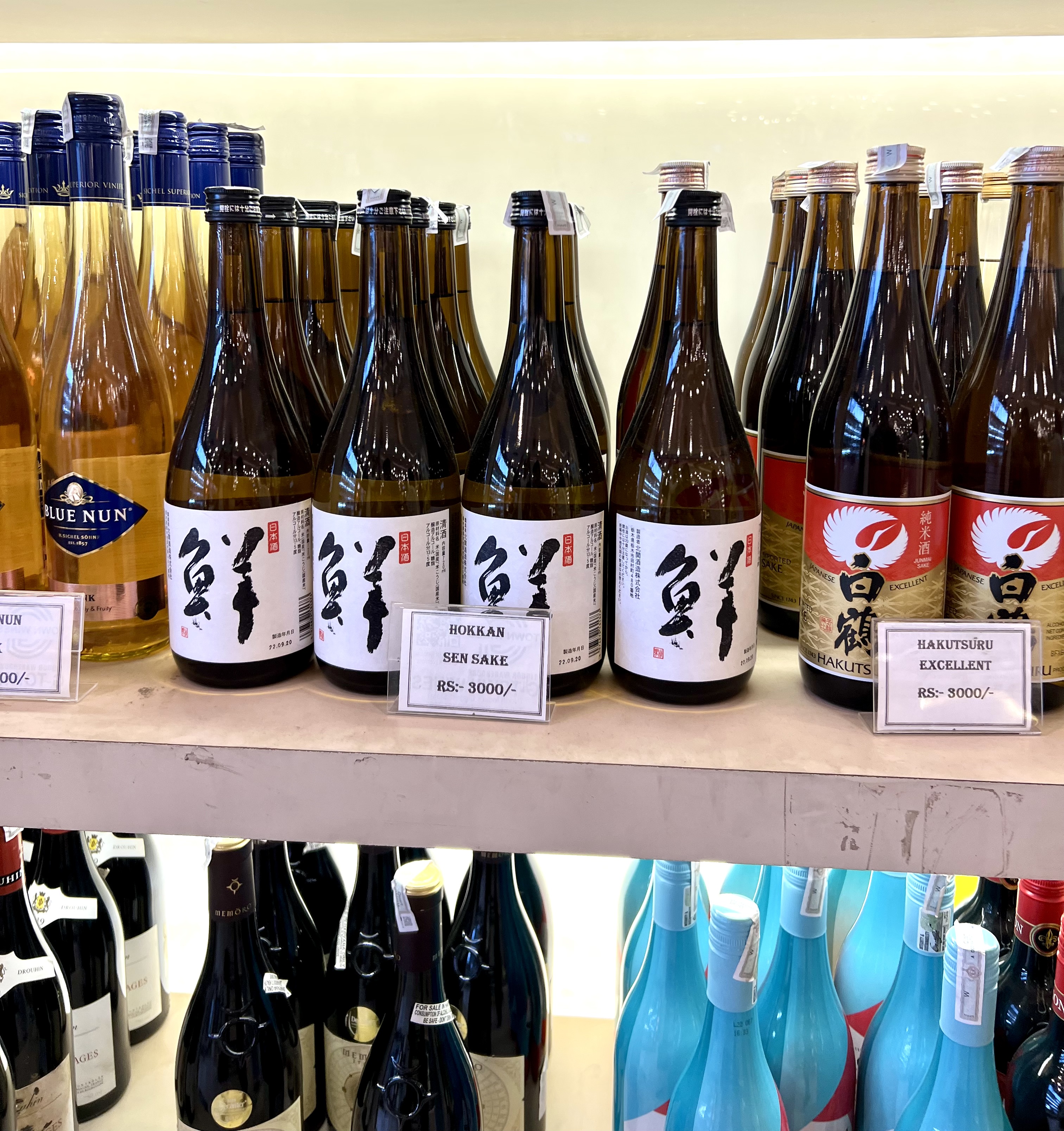
While specific market figures for 2024 are limited, data from my individual research suggests that the number of available Sake brands in India increased by about 40 percent in 2024 as compared to the previous year. This figure is likely to increase substantially in 2025.
2. Sake’s Expanding Audience
In 2024, Sake reached beyond its traditional fan base of connoisseurs and expatriates to a broader, more diverse audience. At tasting events by Sake Club India (SCI), I met young professionals, curious first-timers, and foodies eager to explore sake’s complexities. This shift tells me that Sake is breaking out of its niche and is on its way to becoming a mainstream beverage in India’s growing wine and spirits scene.
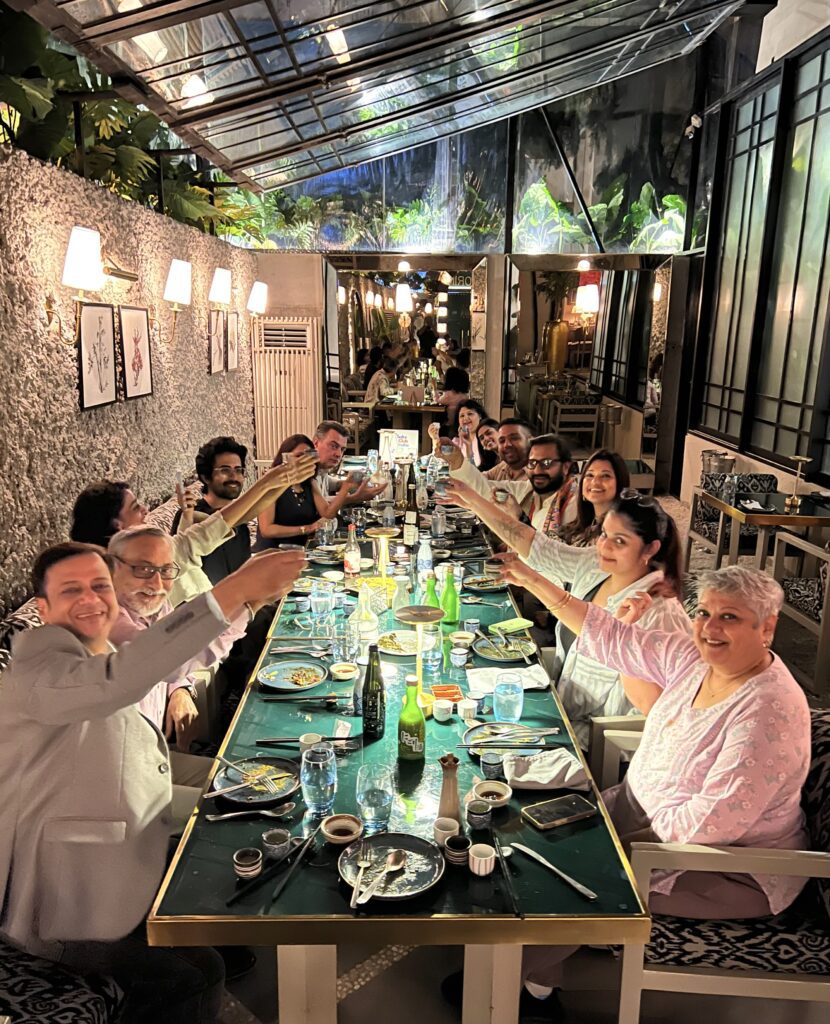
Another encouraging development is the increasing interest in Sake shown by High Net-worth Individual (HNI) groups like EO, YPO and Luxury Corporate Clients. SCI was at the forefront of organizing such events in 2024, including one for a multinational group in Kagawa Japan that had a sizeable Indian audience. Most recently we conducted another such event for a luxury car owner group in Gurugram, India.

A heightened market outreach by the Japanese beverage ecosystem through trade events like Vinexpo India and Prowine India also played a great role to expand the breadth of sake audience in India.
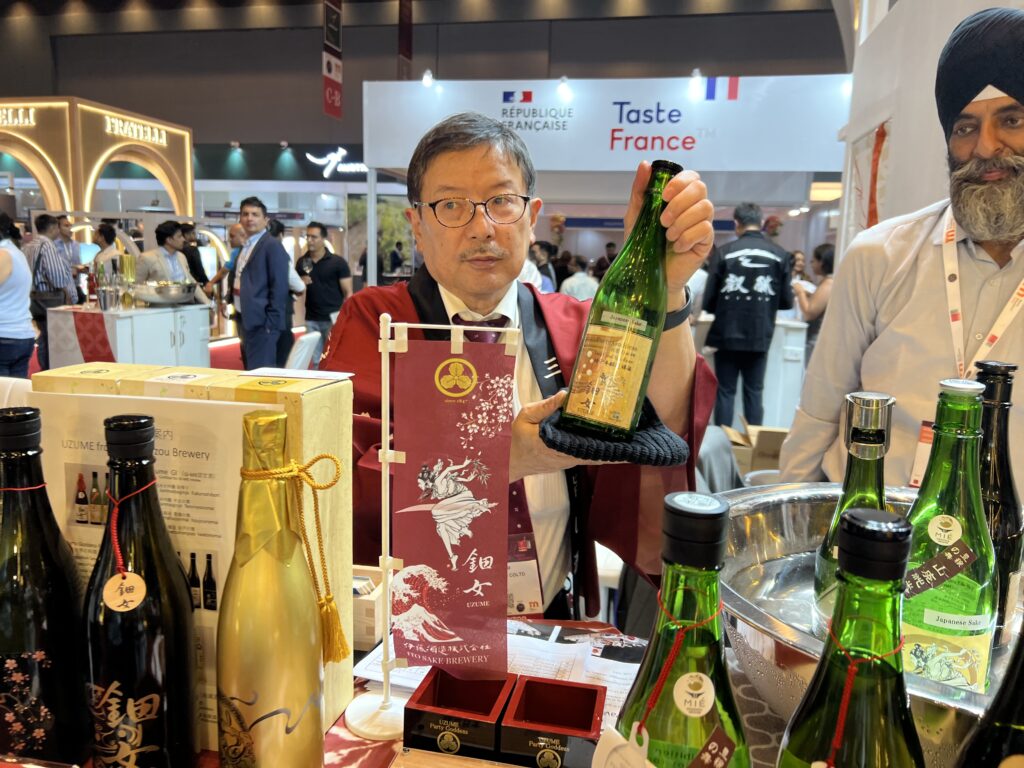
Also Read: ProWine Mumbai 2024 Hosts Largest-Ever Showcase of Japanese Drinks in India
3. Deeper Engagement with Japanese Culture
Japanese Sake’s newfound status as UNESCO Intangible Cultural Heritage, puts it in the league of its other cultural contemporaries like Washoku cuisine, in the cultural context. At events organised by Japanese entities like the Embassy of Japan in India, Japan Foundation, JETRO and JICA, Sake has always been a major draw, and it is set to get even more popular after the UNESCO announcement.
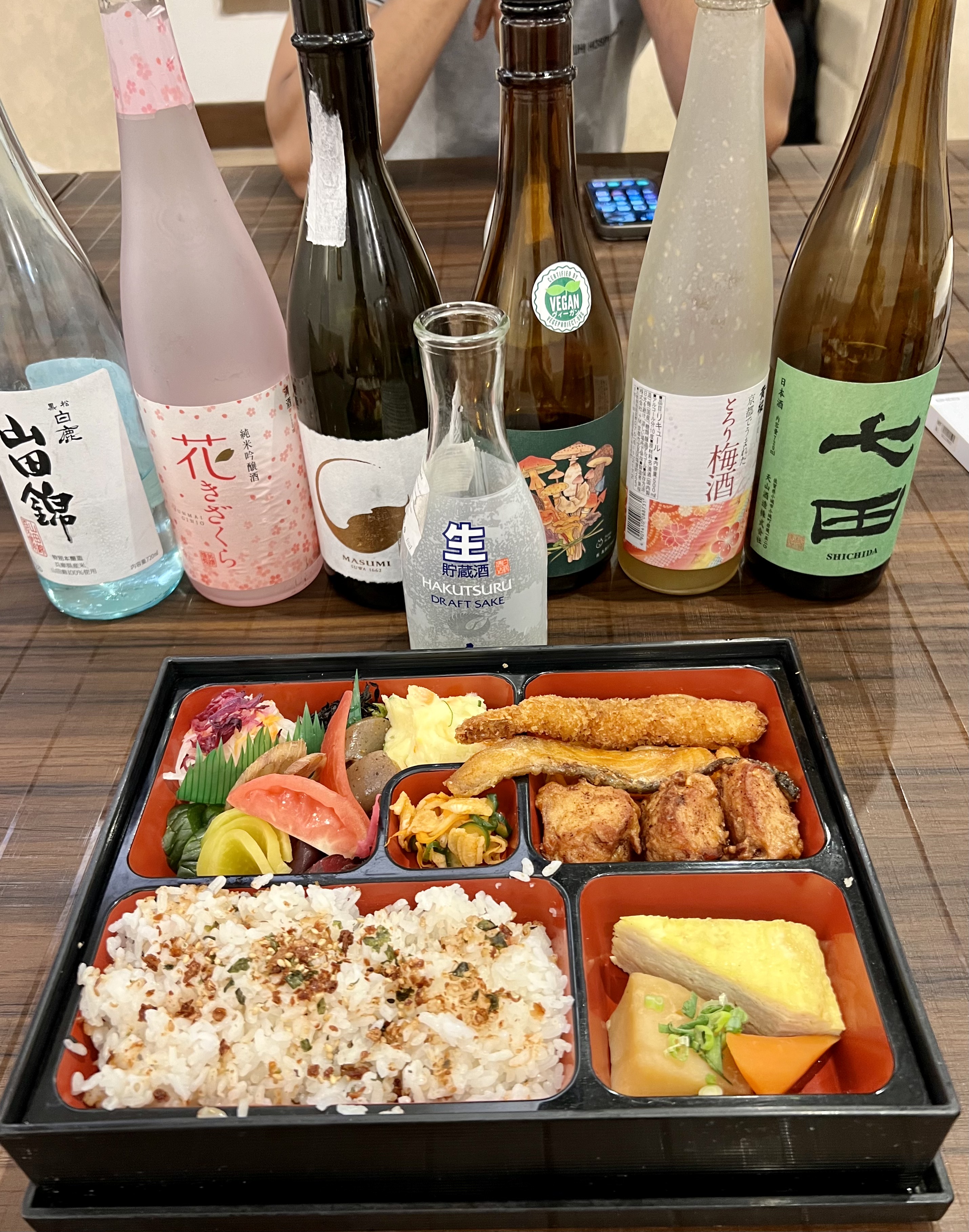
On our part, Sake Club India events built around Japanese cultural experiences resonated well this year. Events like Sake masterclasses and tastings alongside Bento boxes, Sushi workshops and Taiko drum performances offered participants a holistic introduction to Japanese traditions. Collaborations with Japanese breweries and cultural institutions have been invaluable in this journey, adding depth and authenticity to every experience we’ve offered.
4. Creative Culinary Pairings
One of the most exciting trends this year has been the experimentation of Sake paired with other-than-Japanese cuisine. Chefs and restaurateurs across India have embraced the challenge of pairing sake with local and global dishes. From delicate Junmai Daiginjo complementing mild curries to robust Honjozo enhancing the spice of kebabs, the results have been delightful and often surprising. This culinary creativity has shown that sake’s versatility knows no bounds and has helped demystify it for Indian diners.

5. A Surge in Sake Education
2024 was a banner year for our educational initiatives. We hosted more workshops and masterclasses than ever before, and the response was phenomenal. Dedicated Sake trainings for renowned hotels like JW Marriott and Shangrila have enabled service staff to get a deeper understanding of Sake service. Even among the end consumer, people want to know how Sake is made, how to serve it, and how to truly appreciate its nuances.
Also read: A “Super Sake Sunday” Masterclass
This thirst for knowledge is a clear sign of the growing curiosity and respect for sake among Indian audiences. Certification courses from renowned training providers like the Sake Sommelier Asssociation and the Wine and Spirit Education Trust are also now being delivered regularly in India.

Looking Ahead to 2025
As we look forward to 2025, the path ahead is filled with exciting possibilities. We plan to deepen our collaborations with Japanese breweries, expand our events to more cities, and continue to make Sake accessible and relatable to a wider audience.
This journey has been about more than just introducing a beverage; it’s about building a bridge between cultures and creating memorable experiences. Here’s to 2024, a year of growth, and to 2025, a year of an even greater promise.
Kampai and Happy 2025!

