

Japan’s National Tax Agency (NTA) made a quiet but significant announcement on October 1, 2025. Three prefectures—Kyoto, Tottori, and Fukuoka—received Geographical Indication (GI) status for their sake, all on the same day. For those of us who follow Japanese sake closely, this was a moment worth registering. It signalled a sharpening of identity in a world where provenance is receiving an ever increasing focus among the end consumers.

What Does a Sake GI Actually Mean?
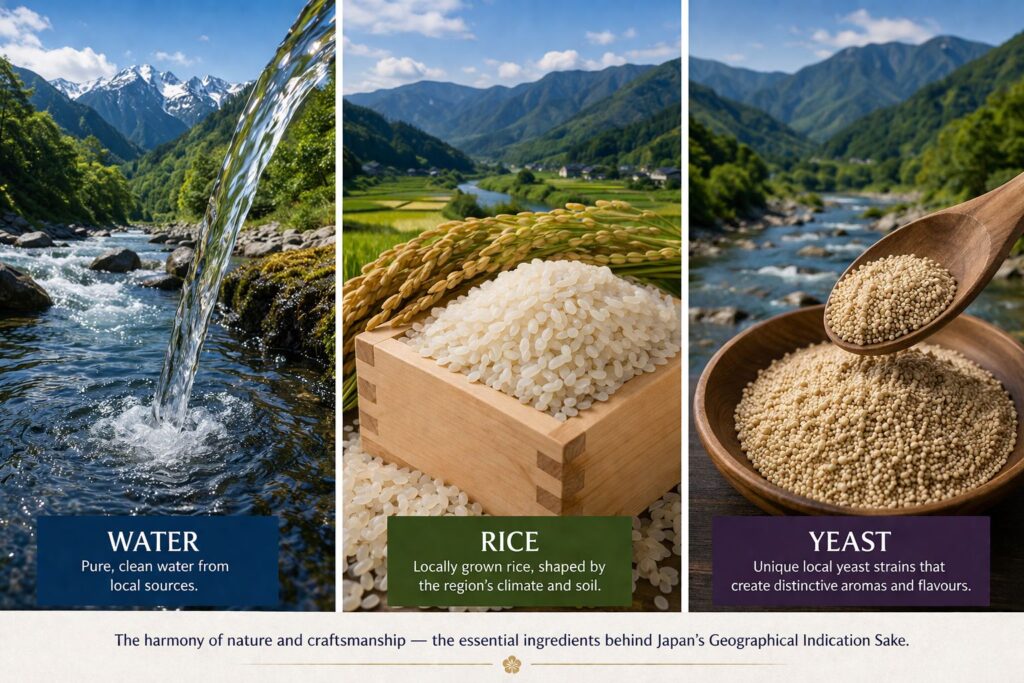
Before we dive into the newly announced sake GIs, let’s demystify the terminology. When the NTA designates a GI, it is essentially a legal guarantee of origin and quality. It means the sake carrying that name must be produced within that defined geography, using ingredients and methods that reflect the character of that place.
From the specific water source to the local rice varieties and indigenous yeast, every element contributes to a unique regional profile. The GI is a promise to the drinker that the liquid in the bottle is a genuine expression of its terroir. Japan now boasts 29 regional sake GIs, plus the national-level GI for “Nihonshu” (Japanese Sake) designated in 2015. See the complese list of Sake GIs at the end of this article.
The three newly announced GIs
1. Kyoto: Expanding a Historic Legacy
Kyoto may surprise some enthusiasts because Fushimi—one of Japan’s most historic brewing districts of Kyoto—has already held its own GI since 1995. However, the new 2025 GI designation relates to the entire Kyoto Prefecture, which means that the qualifying breweries located within the prefecture can now carry the prestigious Kyoto name with full legal backing.
The prefecture is blessed with high-quality, abundant water resources and a cold climate, that allows for slow fermentation, contributing to create the quality of sake with a soft mouthfeel, moderate umami and sweetness, and a rich flavour.
2. Fukuoka: The Dry Refreshment of the South
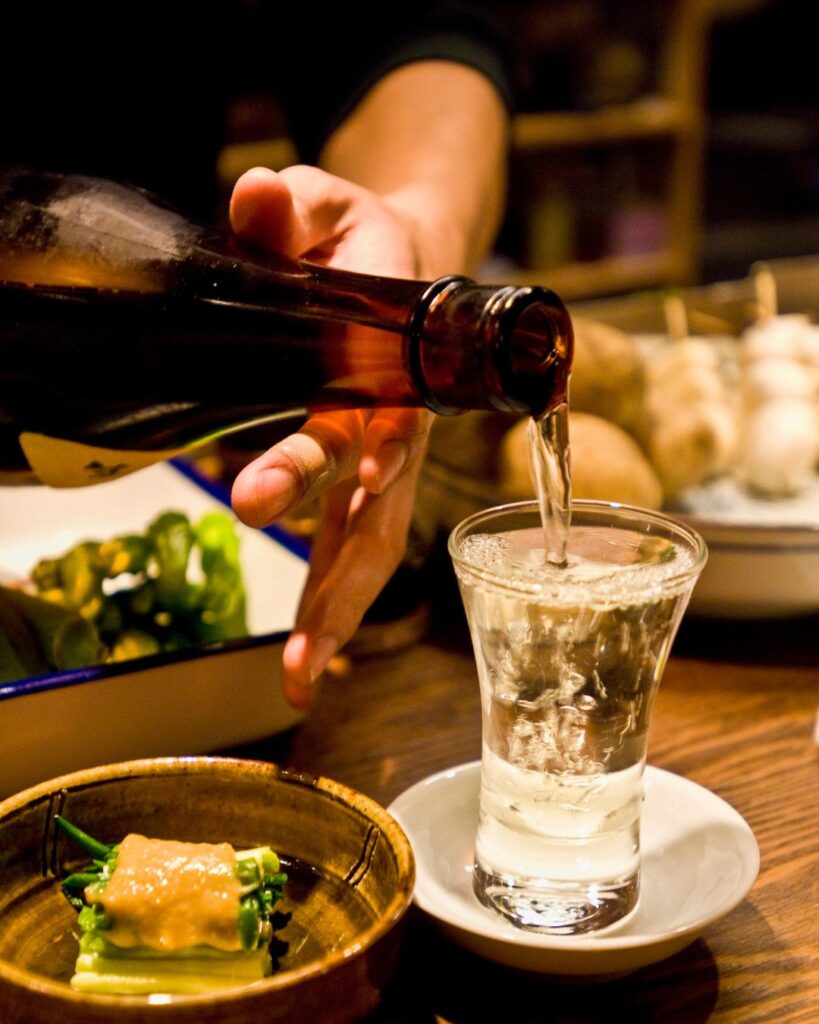
Fukuoka Prefecture in Kyushu is often synonymous with vibrant street food and Hakata ramen, but its brewing history runs deep. The Chikugo River basin has long been an ancestral home to breweries producing sake that leans toward a dry and refreshing character.
The soft water from the surrounding mountain ranges plays a pivotal role here. The Fukuoka GI provides these breweries with a collective identity and a protected name that is vital for export markets. As sake exports continue to grow, this recognition helps smaller regional producers stand out on a crowded global shelf.
The Geographical Indication (GI) system is not just about prestige—it plays a crucial role in shaping global trade and protecting authenticity.
- Legal recognition helps safeguard the identity of regional products like sake
- Market expansion becomes easier with internationally recognised GI status
- Consumer trust increases through verified origin and quality assurance
Sake was officially registered as a Geographical Indication in India in 2024, leading to a 40% increase in available labels across the Indian market.
3. Tottori: A Closer Look at the Hidden Gem
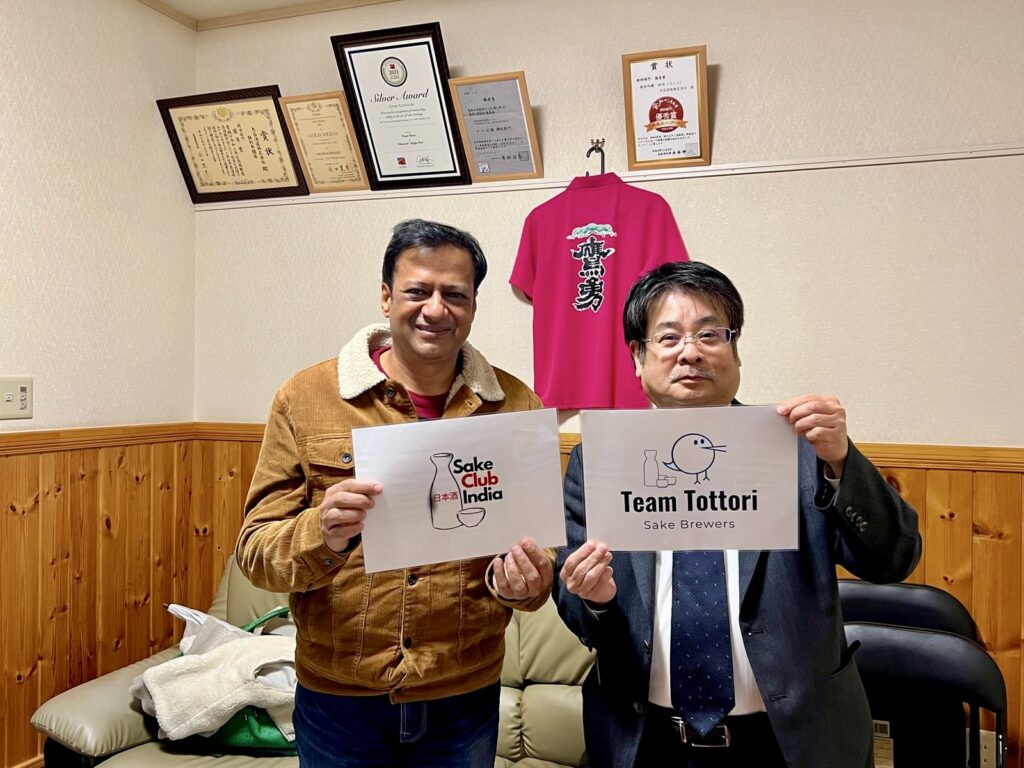
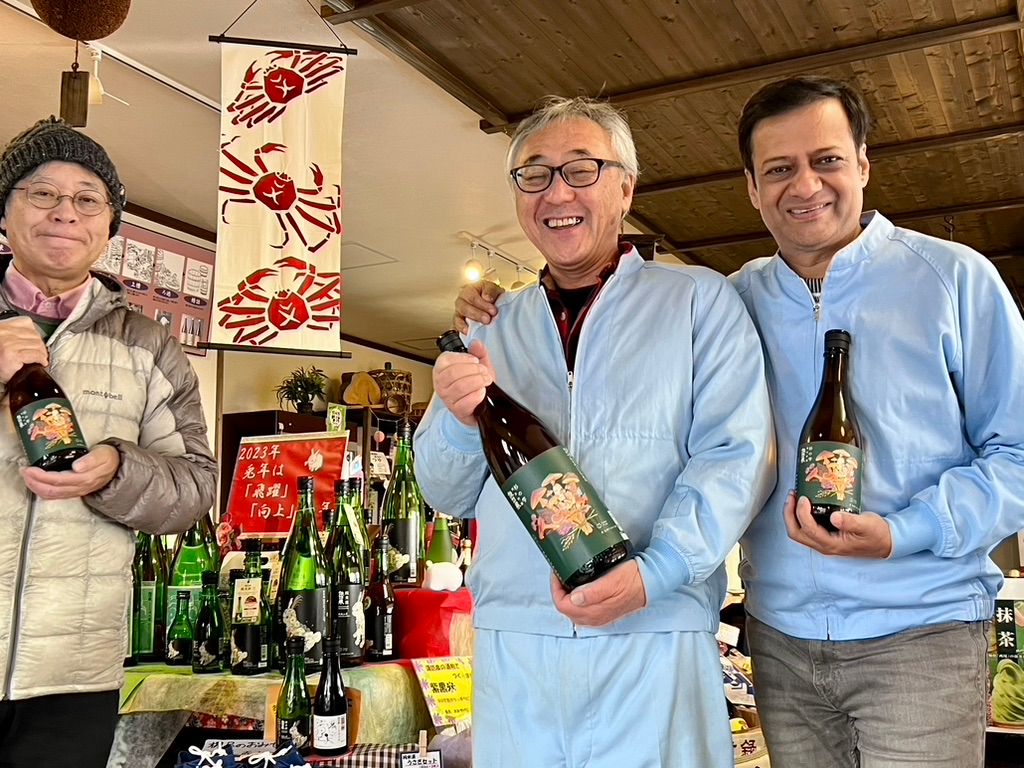
Of the three new GIs, Tottori is the one I hold closest to my heart. Having visited extensively and gained immersive, hands-on experience working in its local breweries under the ambit of Team Tottori- a grouping formed specifically for promoting their sakes in India. My practical experiences with the group’s breweries- Inata Honten, Suwaizumi, Otani, Umetsu, Yamane, Nakagawa and Gensui enabled me to learn sake at the grassroots, by working at each process with my own hands.
Though Tottori holds the title of Japan’s least populous prefecture, it has an incredible diversity of land and sea produce, that make it the de facto food capital of Japan. This abundance is reflected in its sake culture: unhurried, honest, and deeply rooted in the local terroir.
Also Read: A Priceless Sake Expedition to the Tottori Prefecture
The uniqueness of Tottori as a sake prefecture stems from its geographical position with the Sea of Japan on one side and the Chugoku mountain range on the other. As a result, the prefecture gets a remarkable clean water supply from the melting mountain snow and a cooling influence from the sea.
The Revival of Goriki Rice
During my visits, I’ve been struck by the dedication to Goriki rice, a heritage variety unique to Tottori. It nearly disappeared in the mid-20th century but was revived by passionate local brewers. Unlike the exuberant classic ginjo styles, sake made from Goriki rice tends to have a firm structural body and a great balance between umami and fruitiness that make it versatile for may food pairings. Another native rice variety from Tottori is Tamasakae, which is commonly used in their sake.
The Road Ahead for 2026 and Beyond
The arrival of these three GIs signals a broader shift toward a more place-specific identity for Japanese sake. For us in India, where the curiosity for sake is reaching a fever pitch, understanding these GIs is a crucial part of the journey.
Whether it is a mouth filling Junmai from Tottori or an elegant Junmai Daiginjo from Kyoto, these labels tell a story of heritage that goes far beyond the glass. As we move ahead with 2026, expect to see these regional names appearing more frequently on the menus of India’s top dining destinations.
Updated List of Japanese Sake GIs as on Apr 2026
| # | GI Name | Date Designated | Region / Scope |
| 1 | Nada-gogo (灘五郷) | Jun 30, 1995 | Hyogo: Nada-ku, Higashinada-ku, Mita |
| 2 | Fushimi (伏見) | Jun 30, 1995 | Kyoto city: Fushimi-ku & Uji River basin |
| 3 | Ikeda (池田) | Jun 30, 1995 | Osaka: Ikeda city |
| 4 | Saijo (西条) | Dec 22, 2005 | Hiroshima: Saijo & Higashihiroshima |
| 5 | Hakusan-kikuzake (白山菊酒) | Dec 22, 2005 | Ishikawa: Hakusan city (5 breweries) |
| 6 | Yamagata (山形) | Jul 16, 2013 | Yamagata Prefecture (Whole) |
| 7 | Nihonshu / Japanese Sake | Dec 25, 2015 | National GI (All of Japan) |
| 8 | Tosa (土佐) | Dec 16, 2016 | Kochi Prefecture (Whole) |
| 9 | Niigata (新潟) | Jun 28, 2018 | Niigata Prefecture (Whole) |
| 10 | Hokkaido (北海道) | Jun 28, 2018 | Hokkaido Prefecture (Whole) |
| 11 | Harima (播磨) | Mar 16, 2020 | Hyogo: Himeji, Banshu & surrounding |
| 12 | Mie (三重) | Jun 19, 2020 | Mie Prefecture (Whole) |
| 13 | Wanobi-Sawane (和の美佐渡根) | Sep 7, 2020 | Ishikawa: Wajima city (Sub-regional) |
| 14 | Minami-Aizu (南会津) | Jan 22, 2021 | Fukushima: Parts of Aizu |
| 15 | Kan (寒) | Mar 30, 2021 | Yamanashi: Kofu city & surrounding |
| 16 | Yamanashi (山梨) | Jun 14, 2021 | Yamanashi Prefecture (Whole) |
| 17 | Osaka (大阪) | Jun 30, 2021 | Osaka city & surrounding area |
| 18 | Nagano (長野) | Jun 30, 2021 | Nagano Prefecture (Whole) |
| 19 | Noto (能登) | Jun 30, 2021 | Ishikawa: Noto Peninsula |
| 20 | Shiga (滋賀) | Apr 13, 2022 | Shiga Prefecture (Whole) |
| 21 | Matsumoto (松本) | Jun 30, 2023 | Nagano: Matsumoto city |
| 22 | Iwate (岩手) | Sep 25, 2023 | Iwate Prefecture (Whole) |
| 23 | Shizuoka (静岡) | Nov 30, 2023 | Shizuoka Prefecture (Whole) |
| 24 | Hachioji (八王子) | Mar 13, 2024 | Western Tokyo metro area |
| 25 | Itami (伊丹) [NEW] | Nov 29, 2024 | Hyogo: Itami city |
| 26 | Kitakata (喜多方) [NEW] | Dec 20, 2024 | Fukushima: Kitakata city & Aizu |
| 27 | Aomori (青森) [NEW] | Jun 20, 2025 | Aomori Prefecture (Whole) |
| 28 | Kyoto (京都) [NEW] | Oct 1, 2025 | Kyoto Prefecture (Whole) |
| 29 | Tottori (鳥取) [NEW] | Oct 1, 2025 | Tottori Prefecture (Whole) |
| 30 | Fukuoka (福岡) [NEW] | Oct 1, 2025 | Fukuoka Prefecture (Whole) |

