

A fresh wave of premium sakes has officially made its debut in the Indian market, adding an exciting layer of diversity into the country’s rapidly evolving beverage scenario. We at Sake Club India were recently fortunate enough to sample these new arrivals firsthand, pairing them alongside an acclaimed multi-course spread at Kofuku New Delhi.
Note: If you are reading the Japanese-translated version of this page, there may be occasional errors in the translation. Please ignore them as the original English version is 100% verified for factual correctness.

The new range of sakes are imported by Bottle Bridge Beverages LLP, a beverage importing and brand development company in India. The Japanese representative of this sake range is Maaya Takaoka, who has effectively made India her second home, alternating between Japan and India.
Here is a curated guide to the newly introduced sakes.
Prices indicated are ex Retail in Gurgaon (Haryana)
1. Koimari Saki Ginjo 古伊万里前
MRP: ₹ 3000 (720 ml), ₹ 2300 (300 ml)
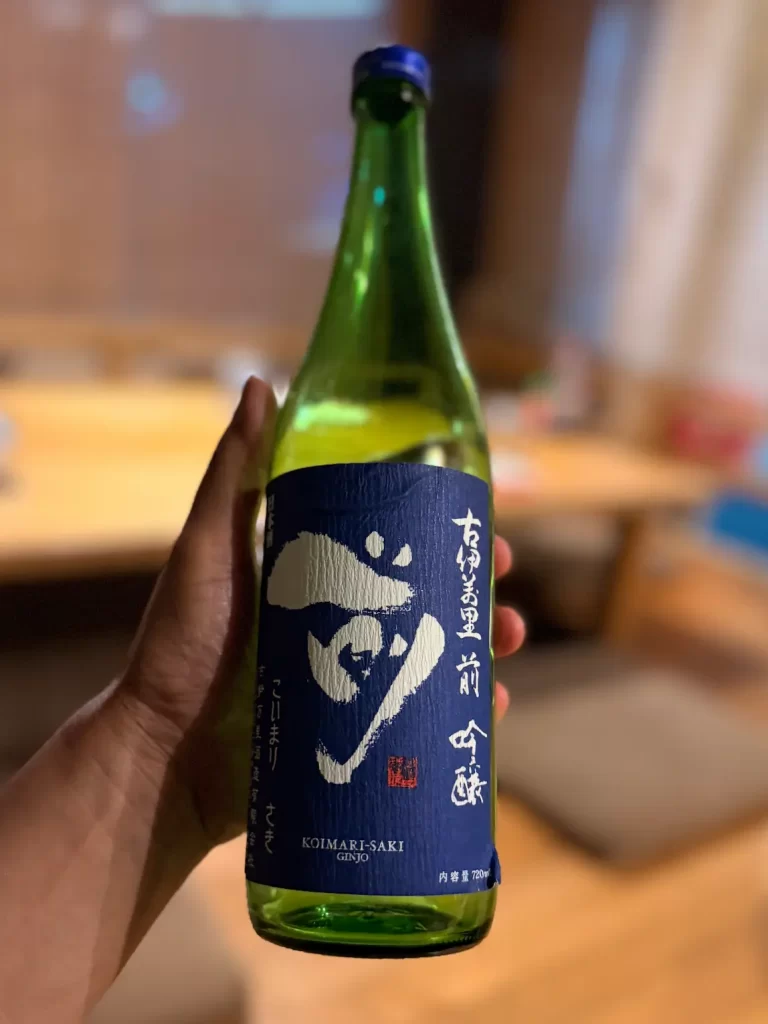
- Brewery: Koimari Shuzo
- Prefecture: Saga 佐賀
- Rice: Saganohana
- Grade: Ginjo
- ABV: 15%
- Sizes: 720 ml, 300 ml
A well structured sake that opens with an immediate, refreshing burst of citrus on the top note, gracefully transitioning into sweet banana and tropical melon notes.
On the palate, it delivers a remarkably smooth texture accented by low acidity and a clean, effortlessly sweet finish. It is an approachable sake for newcomers and enthusiasts alike.
2. Senkin Modern 仙禽モダン
MRP: ₹ 4400 (720 ml)
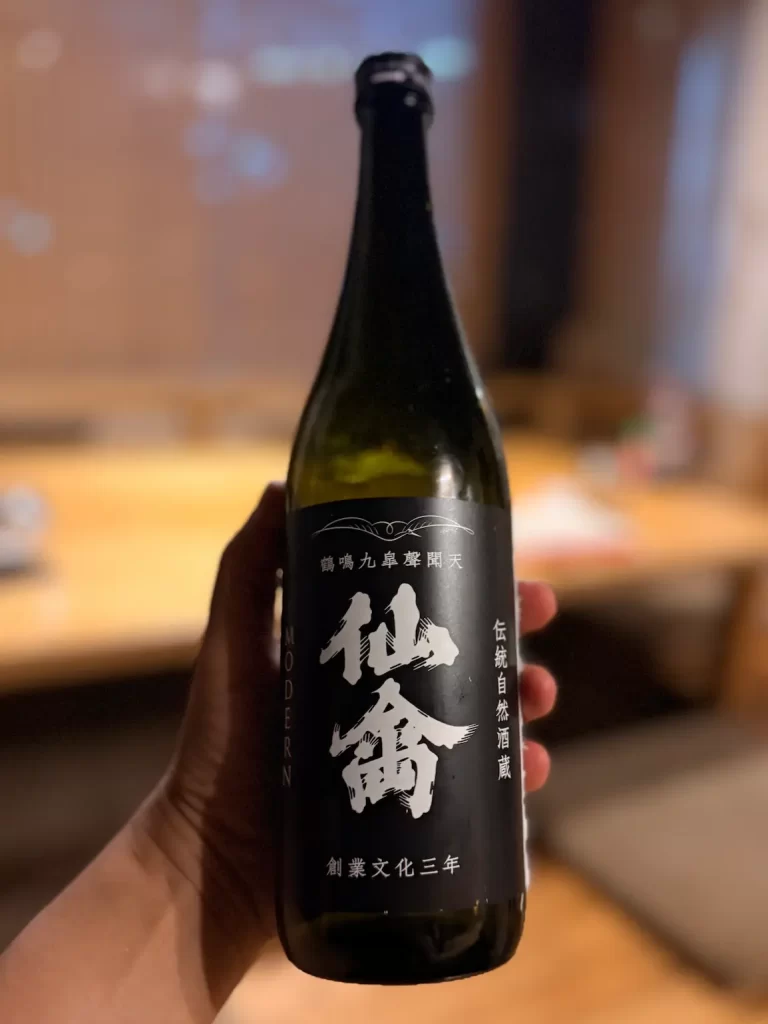
- Brewery: Senkin
- Prefecture: Tochigi 栃木
- Rice: Yamadanishiki (Tochigi)
- Grade: Junmai
- ABV: 13%
- Size: 720 ml
A bold fusion of ancient soul and avant-garde philosophy, Senkin Modern is brewed using organic local rice and pristine Kinugawa spring water. By employing the traditional, labor-intensive Kimoto starter method , the brewery coaxes out an intensely juicy profile with a complementing earthiness.
Expect vibrant, wine-like structural notes of white grape, lychee, and fresh melon wrapped in a lower-alcohol frame that feels exceptionally elegant.
Did You Know? > The Kimoto method used in Senkin Modern is one of the oldest sake-brewing techniques. It relies on naturally occurring lactic acid bacteria from the air rather than commercially introduced strains, requiring brewers to manually churn the mash using long wooden paddles.
3. Yorunoteio “Night Emperor” 夜の帝王
MRP: ₹ 2800 (300 ml)
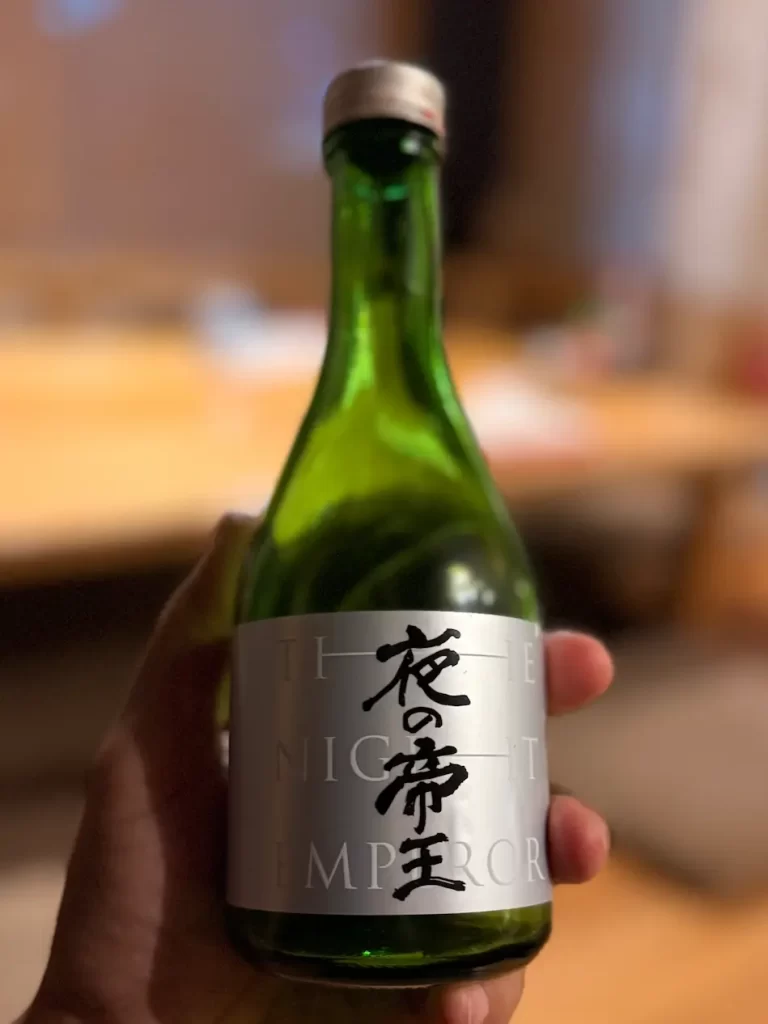
- Brewery: Fujii Shuzo
- Prefecture: Hiroshima 広島
- Rice: Hattan Nishiki
- Grade: Tokubetsu Junmai
- ABV: 15%
- Size: 300 ml
According to the producer, the name “Night Emperor” alludes to an enigmatic, darker robe of complexity.
Crafted with soft mountain water and Hiroshima’s hallmark Hattan Nishiki rice, it features a medium-rich, velvety texture, moving away from overt fruitiness. The sake showcases deeper, sophisticated aromas of dried fig and toasted almond backed by a whisper of earthy umami.
Also Read: More brands join SCI X NIHONSHUNISHIYO booth as anticipation for Prowine Mumbai grows
4. Nito Satin- Two Rabbits
MRP: ₹ 3900 (500 ml)
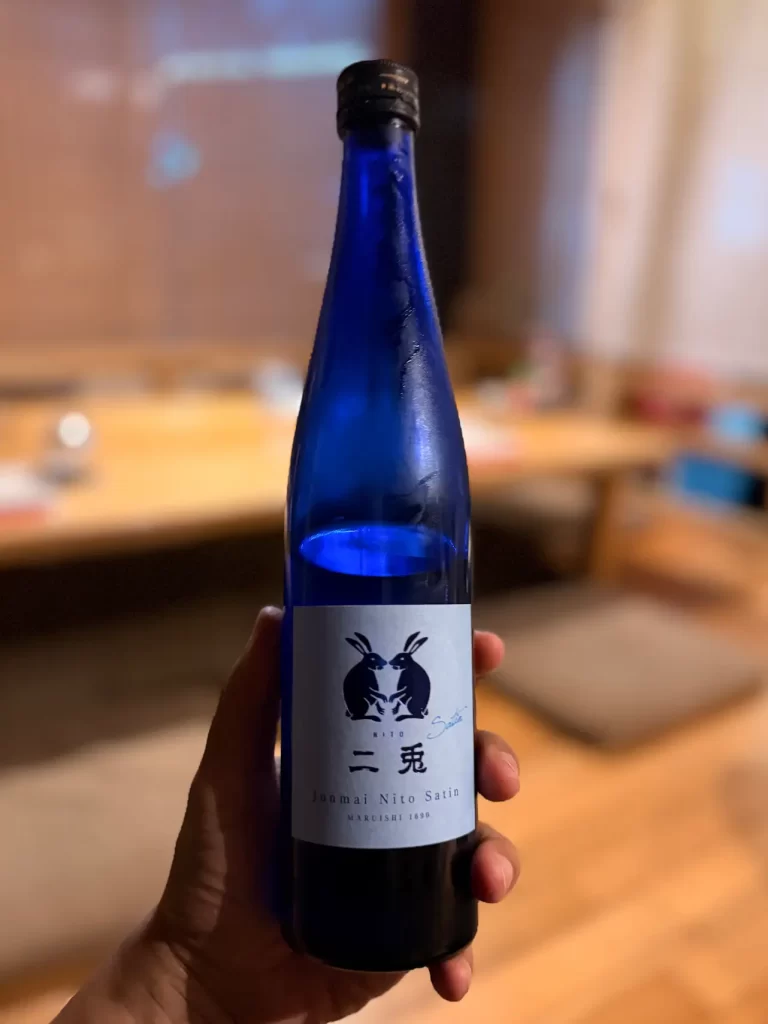
- Brewery: Maruishi Jozo
- Prefecture: Aichi 愛知
- Rice: Banzai
- Grade: Junmai
- ABV: 13 %
- Size: 500 ml
A very unique sake that retains fruity expressiveness with the expected umami chatacter of a Junmai. The label “Two Rabbits is a play on this dualistic harmony, going by the old Japanese proverb that “he who chases two rabbits catches neither.”
Here, Maruishi Jozo catches both by masterfully balancing sweetness with dryness, and structural complexity with refreshing cleanness. Brewed with precious heirloom Banzai rice, it provides a gorgeous, layered depth of flavor featuring vibrant tropical notes of pineapple and mango before rounding off with a stable, smooth finish.
5. Mikadomatsu Junmai Ginjo 帝松純米吟釀
MRP: ₹ 3500 (720 ml), ₹ 2200 (300 ml)
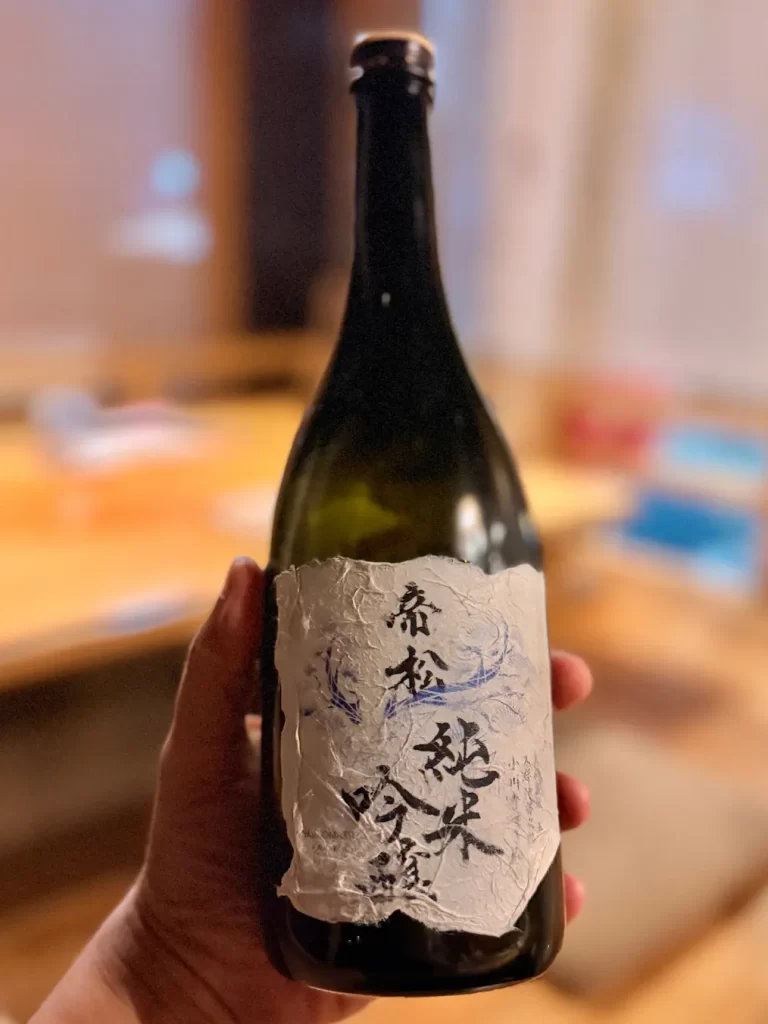
- Brewery: Matsuoka Shuzo
- Prefecture: Saitama 埼玉
- Rice: Tamanae (Highly selected quality rice)
- Grade: Junmai Ginjo
- ABV: 15%
- Sizes: 720 ml, 300 ml
Hailing from a brewery famed for utilizing hard, mineral-rich underground water, this Junmai Ginjo is incredibly refined. The mineral composition yields a structurally sound, mild yet deeply rich flavor profile. Its exquisite bouquet bursts with crisp pear, green apple, a touch of bright citrus, and an aromatic hint of fresh lemongrass.
6. Mikadomatsu Meihin 帝松銘品
MRP: ₹ 3500 (720 ml), ₹ 2600 (300 ml)
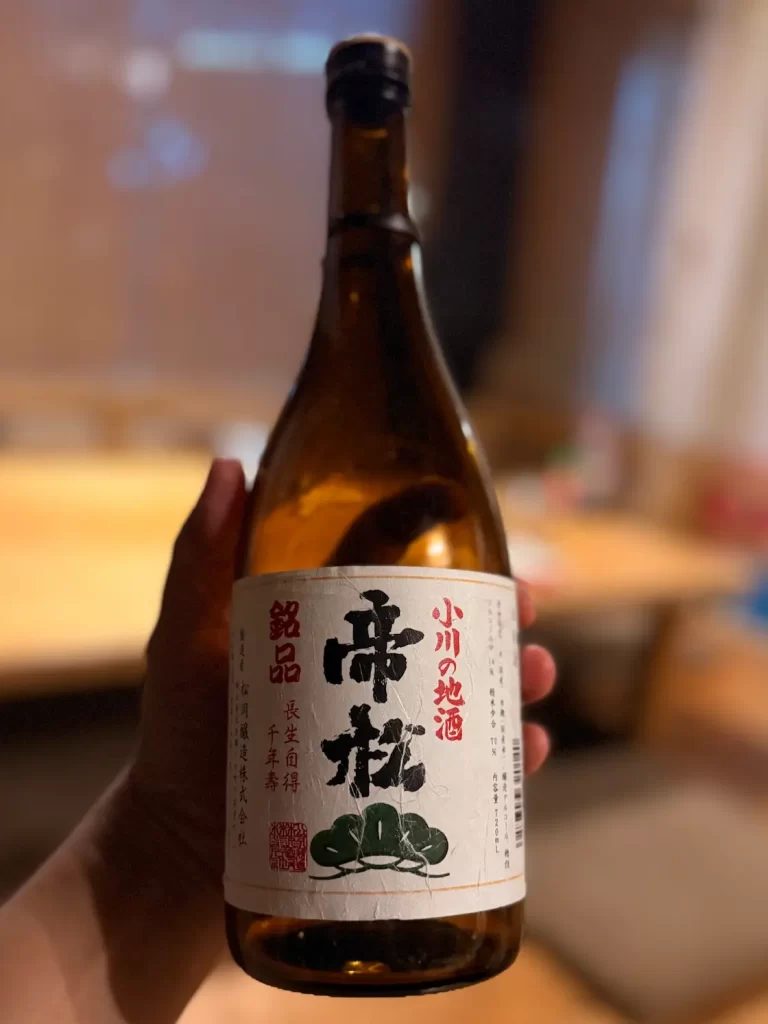
- Brewery: Matsuoka Shuzo
- Prefecture: Saitama 埼玉
- Rice: Local Saitama Rice Varieties
- Grade: Futsu-shu
- ABV: 15%
- Sizes: 720 ml, 300 ml
This is a local sake representing Ogawamachi– a historic, craft-rich town in the Saitama prefecture, also known as the”Little Kyoto of Musashino”.
Meihin comes across as a versatile sake that can be enjoyed equally well as chilled or warmed. Medium-dry on the palate, it has fruity aromas with mineral highlights and the essential touch of umami. The sake is a good example of the quality potential of a Futsu-shu (table sake) if sourced well.
The Art of Impromptu Pairing: Bridging Flavors
When tasting sakes of this diversity, cuisine becomes equally important. Our food menu at Kofuku featured an eclectic mix of textures and culinary profiles that made the tasting experience more complete. The creaminess of Japanese Potato Salad, the subtle depth of Age Dashi Tofu, the rich, glazed umami of Unagi Nigiri, the classic crunch of Prawn Tempura, the savoury-sweet ginger punch of Buta no Shogayaki (sliced pork), and even the crisp, savory notes of a Korean Yachaejeon (vegetable pancake) offered an ample playground to experiment with the sakes.
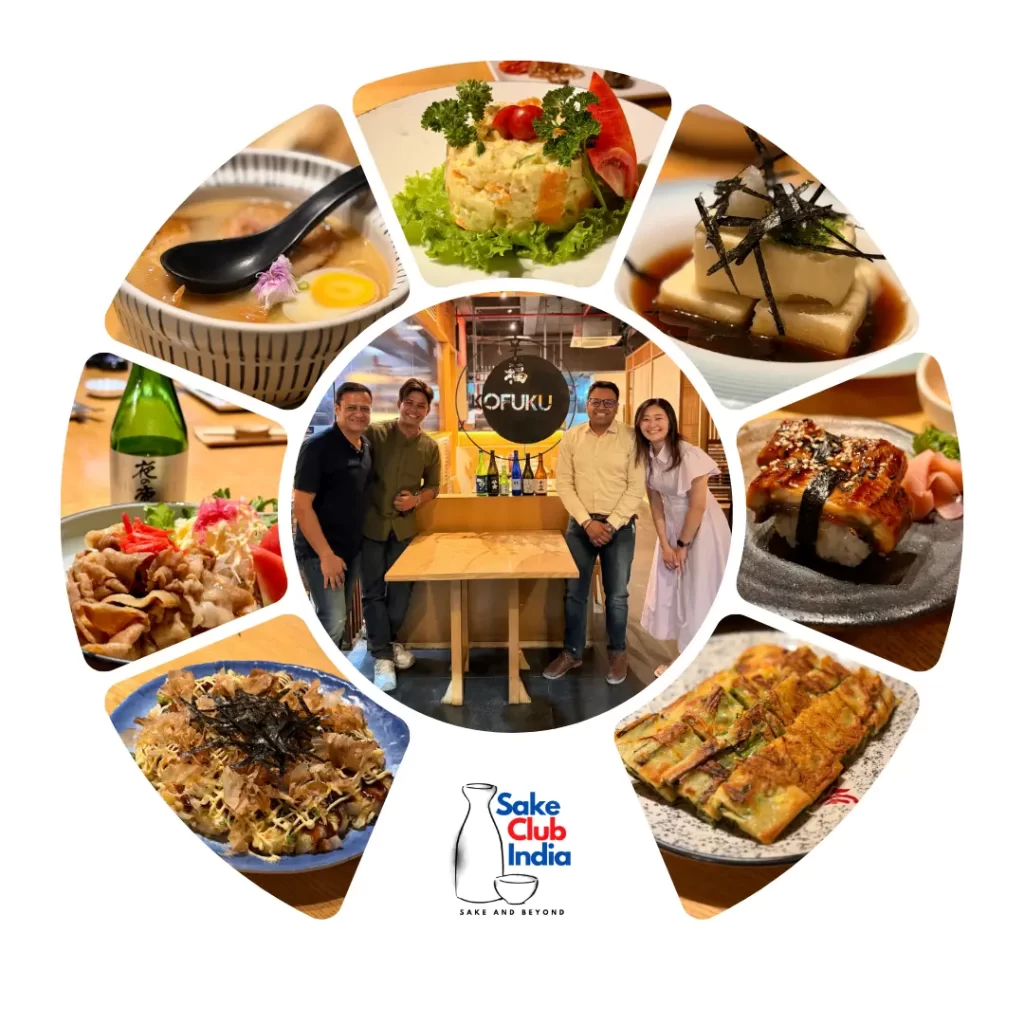
When it comes to food pairing, sake is structurally and practically far more adaptable than traditional wine. Its low acidity and abundance of natural amino acids (umami) act as a universal flavor bridge. This was amply demonstrated at our Kofuku tasting with the following examples:
- The vibrant acidity of Senkin Modern complemented the crunchiness of prawn tempura, as also the crispiness-savouriness of Korean vegetable pancake.
- The deeper, layered profiles of Nito and the Night Emperor worked seamlessly with the sweet, savory soy glazes of the Unagi and ginger pork.
Such culinary versatility transforms impromptu dining into an experimental playground—proving that premium sake doesn’t just belong next to a plate of traditional sashimi, but with a wider range of culinary possibilities

