

In the rhythmic calendar of Japanese sake, time is usually viewed through the lens of maturation. Most of us have experienced a well-rested Junmai or the slow development of umami in a Ginjo sake. But there exists a brief, electric window of time that honours the virtue of freshness. Welcome to the world of Shiboritate– that literally translates as “freshly pressed” sake. It is sake in its most raw, uninhibited form, and can well become a reality to experience in India.
The seasonal flow- experienced first hand
As the winter chill settles over Japan from November to March, breweries enter their most frantic and fulfilling period. This is peak brewing season, and the release of Shiboritate is generally between Jan-Feb as a major cultural marker. Traditionally, the debut of these “new sakes” (Shinshu) is signalled by the hanging of a fresh, green Sugidama (a ball made of cedar twigs) outside a brewery’s gates.

I was fortunate to experience Shiboritate firsthand at the historic Nakagawa Brewery in Tottori Prefecture, that played a crucial role in reviving Goriki, an indigenous Tottori rice variety. Amidst the scent of fermenting rice, I tasted it straight from the press.
Watch Video: Tasting Shiboritate
Unlike the bottled elegance found in high-end exports, Nakagawa’s freshly pressed version was vibrant and almost “wild,” possessing a natural, tiny sparkle—trace amounts of carbon dioxide left over from fermentation.
The significance of Shiboritate
Shiboritate exists as a fleeting seasonal specialty because it skips the traditional maturation process, which usually lasts six to eighteen months. It is often released as Namazake (unpasteurized sake), meaning the enzymes remain active.
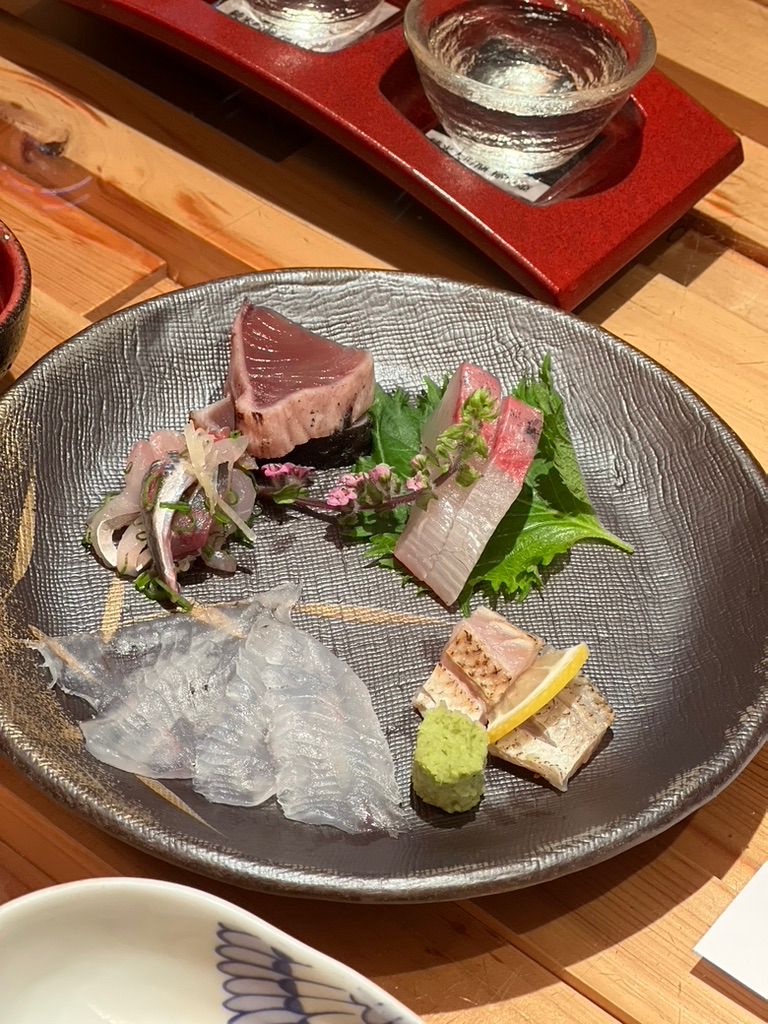
- The Freshest Profile: Without pasteurization or aging, the sake retains a “zingy,” fresh lift to its fragrance and flavor. It goes famously well with fresh sashimi and similar fresh preparations.
- The “Live” Experience: It offers a sensory profile of green apple, fresh grass, and melon that is far more intense than its matured counterparts.
- Brewery’s Unique Expression: Often bottled as Genshu (undiluted), it expresses the unadulterated character of the respective brewery’s sake style that is unique in itself.
Can we experience Shiboritate in India?
For the rapidly evolving sake market in India, Shiboritate can represent the next frontier of connoisseurship. However, importing this style in India remains highly challenging due to the liquid being live” and unpasteurized. Doing so would require a flawless, unbroken cold chain and a rapid “farm-to-glass” timeline to preserve the sake’s uber freshness, with even a minor temperature fluctuation muting its youthful character.
Yet, as cold-chain logistics in hubs like Delhi and Mumbai continue to evolve, a significant window is opening for premium importers to introduce limited, air-freighted seasonal batches. For the Indian trade professional, Shiboritate can prove to be more than just a rare bottle—it can be an ultimate educational tool too!
Also Read: Seasonality of Sake: A Journey Through the Year
Types of Shiboritate to Look For
When seeking out this seasonal vibrancy (look for the “fresh” kanji 生), these generic styles define the experience:
- Junmai Ginjo Shiboritate (The Aromatic Powerhouse): Often made with heirloom rice varieties, this style produces a tangy, vibrant sake with expressive aromas and a long, savoury finish. It pairs exceptionally well with the smoky char of Tandoori Prawns or creamy Avocado Salad.
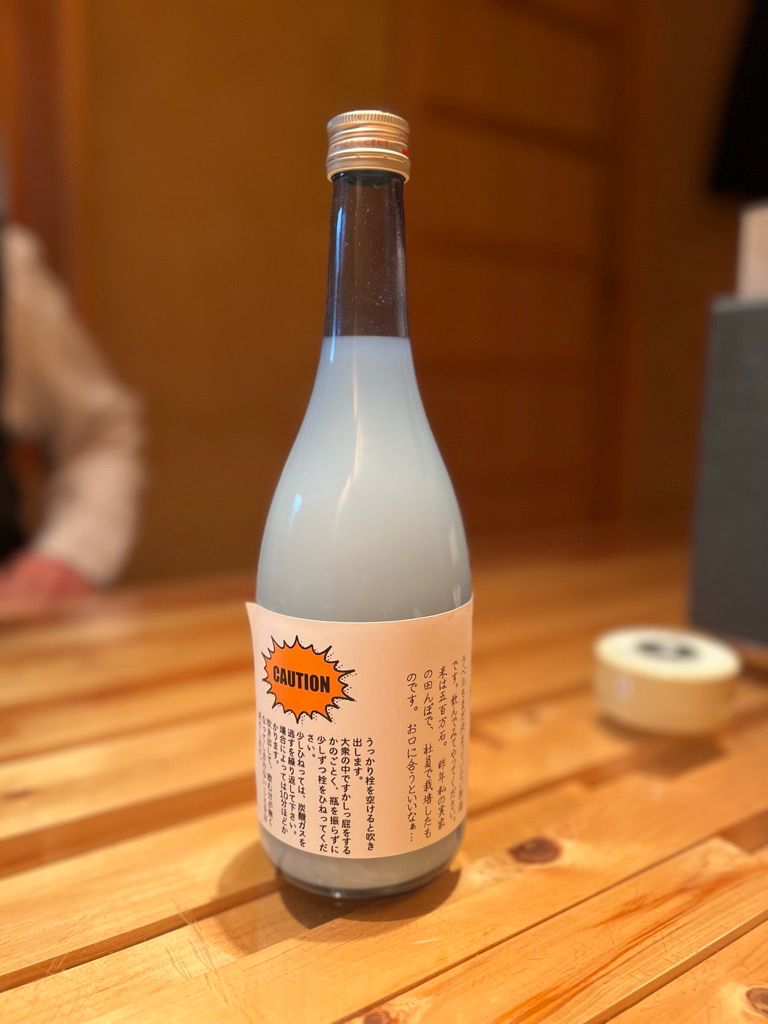
- Nigori Shiboritate (The Textural Delight): A freshly pressed, coarsely filtered sake. These are lighter and brighter than standard Nigoris, offering a refreshing natural “fizz” and a creamy mouthfeel that complements spicy modern Japanese dishes like Miso Jalapeño Sea Bass.
- Genshu Shiboritate (The Undiluted Expression): High-alcohol (around 17-20%) and full-bodied. This style is a “wild child” that can stand up to rich, savoury Indian gravies or salty snacks, providing a robust umami punch that recedes quickly into a clean, dry finish.

