

As calendars turn and resolutions are quietly formed, New Year in Japan—Shōgatsu—arrives without spectacle. The season unfolds gently, marked by an almost meditative sense of renewal. It is a time when intention matters more than exuberance, and reflection takes precedence over revelry.
At the heart of these traditions sits sake—not as a celebratory indulgence, but as a sacred entity connecting people, seasons, and the divine. The sake poured during this time carries layers of symbolism that stretch back centuries.
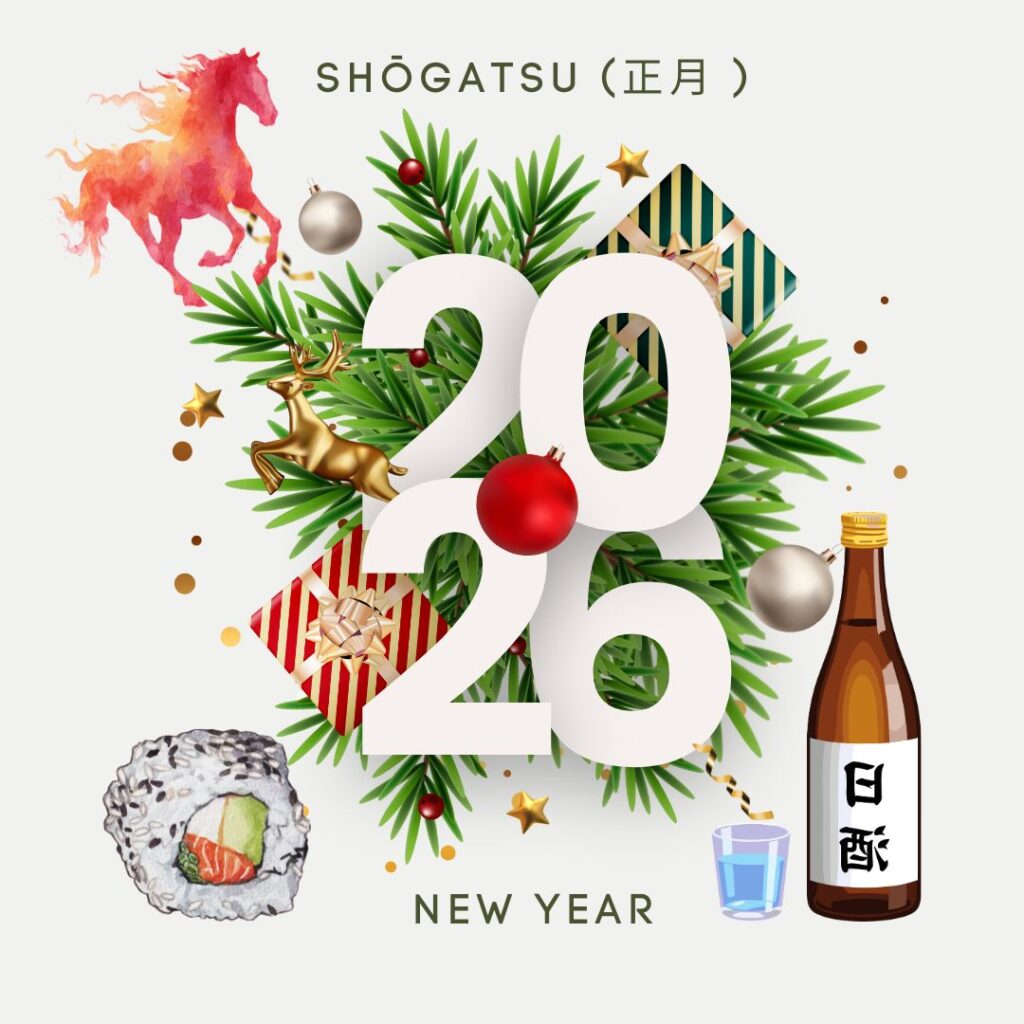
2026- Year of the Horse
The year 2026 is designated as the Horse (Uma) in the Japanese zodiac calendar. Traditionally associated with forward movement, vitality, and honest effort, the Horse represents momentum gained through persistence rather than force. Breweries often acknowledge the zodiac through limited New Year releases, adorning labels with the animal of the year. These bottlings are not meant as collectibles, but to be enjoyed in the present moment, mirroring the spirit of Shōgatsu itself.
Toso: The First Sip of the Year
Among all New Year sake traditions, none is more steeped in ritual than Toso, which is also formally known as O-toso. Toso is not merely an indulgence, but an elixir, prepared by steeping a blend of medicinal herbs such as cinnamon bark, clove, ginger, and Japanese pepper into sake or mirin. On the morning of January 1, Toso becomes the very first drink of the year, believed to ward off illness, repel evil spirits, and invite longevity and vitality.

The act of drinking Toso itself carries meaning. Traditionally, it is sipped from tiered lacquer cups, beginning with the youngest family member and ending with the eldest. This gentle inversion symbolises youth offering vitality to age, reinforcing the cyclical nature of life and time.
Even today, many Japanese households collect Toso herb packets from shrines or pharmacies, steeping them overnight as their first quiet ritual of the New Year.
Also Read: Awa Sake: Sparkling Celebrations to End the Year
Sake and the Brewing Calendar
Shōgatsu coincides with the very heart of the sake brewing season. As winter deepens, breweries are alive with activity, and some of the most anticipated styles of the year make their appearance.
Freshly pressed shiboritate sakes begin to circulate, capturing the immediacy of the brewing year. Alongside them are shinshu, New Year sakes released specifically to mark renewal and fresh beginnings. These are sakes designed for immediate enjoyment, reinforcing the idea that this season is about presence rather than permanence.
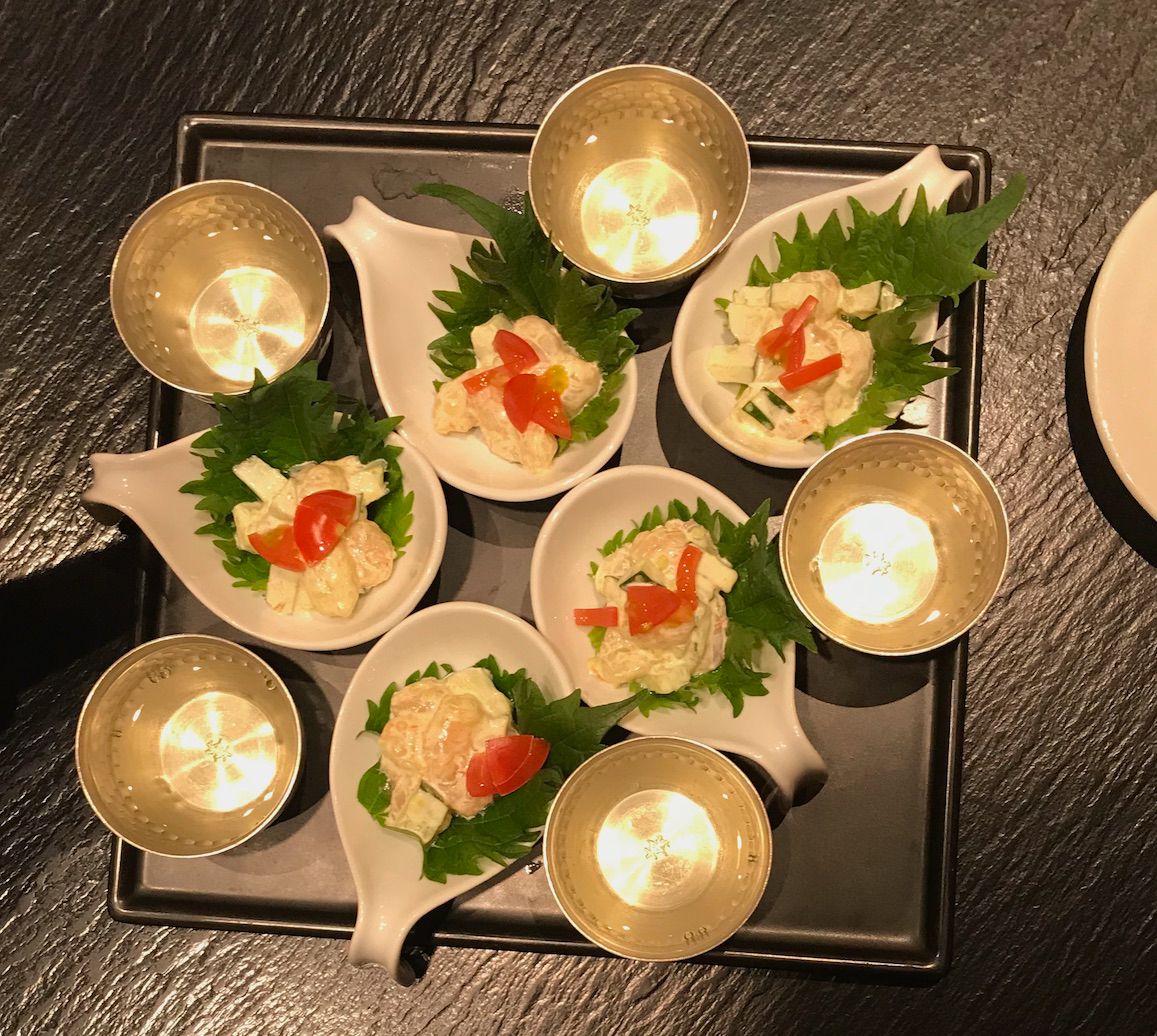
Everyday Sakes of Shōgatsu
While Toso holds ceremonial importance, the days that follow invite more familiar companions at the table. Junmai and Honjozo sakes are favoured for their umami-rich profiles and their natural compatibility with winter cuisine. Often enjoyed gently warmed, they align seamlessly with the season’s slower rhythm.
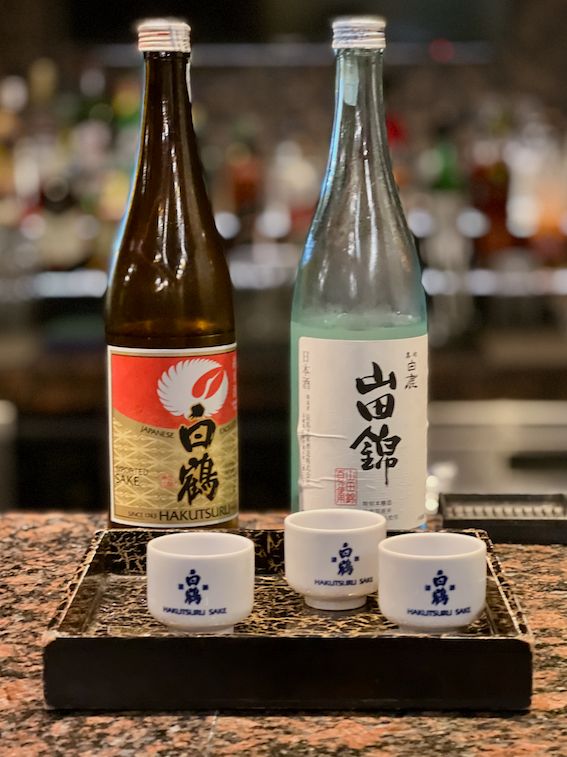
Then there is amazake, a reminder that fermentation in Japan has always been as much about nourishment as pleasure. Sweet, comforting, and restorative, amazake is served at shrines and homes alike, enjoyed by people of all ages.
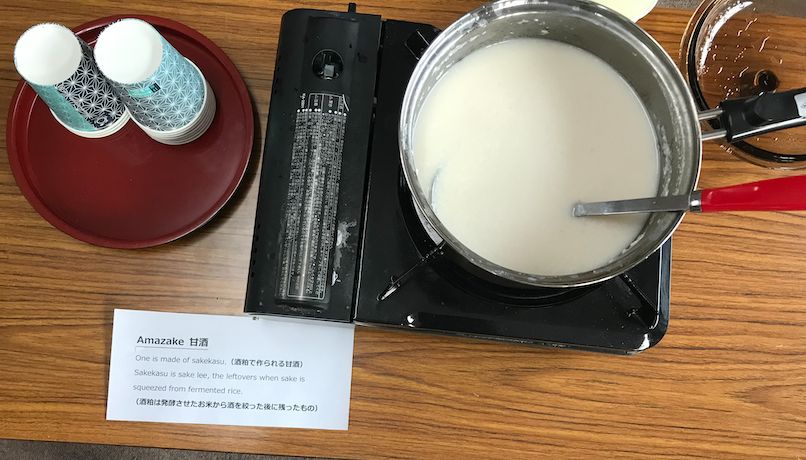
Alcoholic amazake is typically prepared by diluting sake lees (kasu) with water and gently heating the mixture, while non-alcoholic versions rely on rice and koji, where enzymes naturally convert starch into sugars. Both versions speak to the nurturing side of Japanese fermentation culture.
Rituals That Bind the Season
Sake also plays a quiet but powerful role in the rituals that define the New Year period. During Hatsumōde, the first shrine visit of the year, sake offered to the Gods, known as omiki—is often shared afterward, symbolising the receipt of divine blessings.
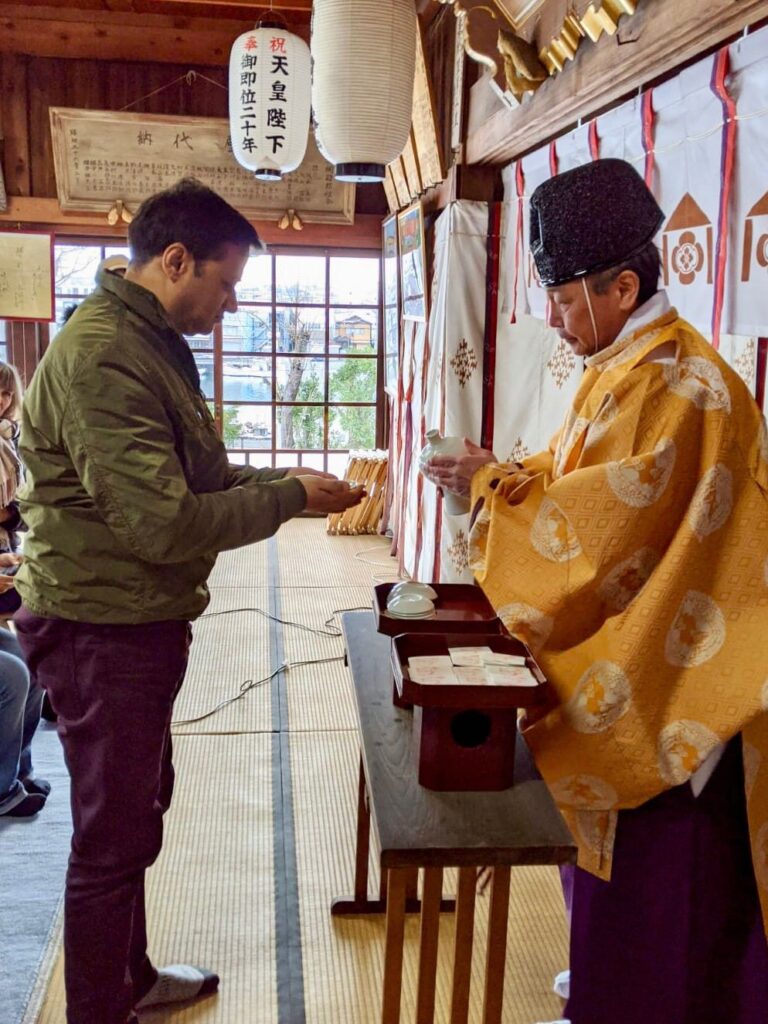
Later in January comes Kagami-biraki, when a wooden sake cask is ceremonially opened and shared among family, colleagues, or community members. The act represents harmony, collective renewal, and the breaking open of good fortune.
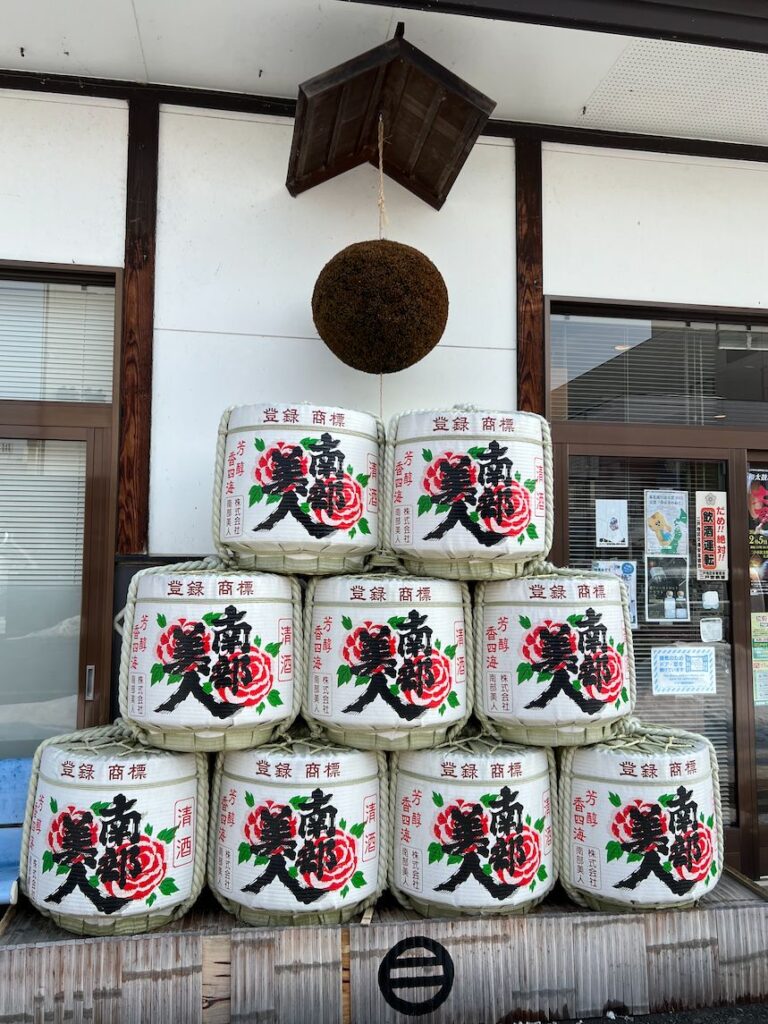
The stacks of sake barrels often seen at shrines are not decorative props; they are devotional offerings from brewers, placed there in gratitude to the kami (deity).
Sake and Osechi: A Conversation
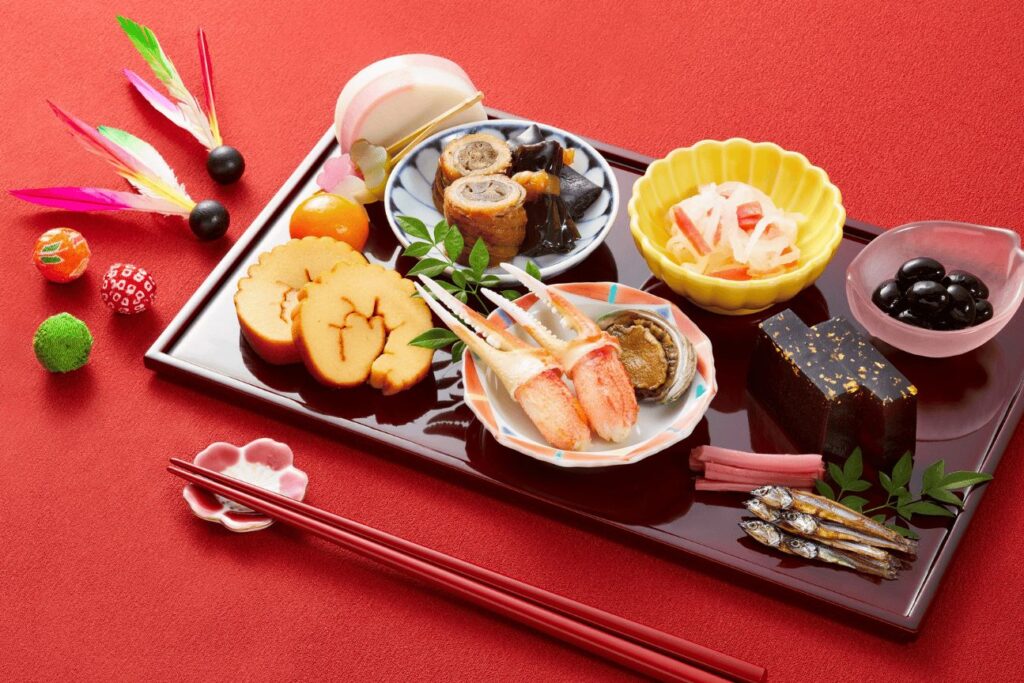
New Year meals in Japan, known as osechi ryori, are symbolic and functional. Each dish carries meaning, and the flavours tend toward the delicate and composed. The sakes chosen for these meals follow the same philosophy—soft, low in acidity, and subtle in aroma.
The highlight here is culinary harmony, echoing the broader Japanese philosophy of thankfulness for the blessings we receive from mother nature.
Understanding Sake’s inseparable Cultural Context
For readers in India and elsewhere, Japan’s New Year sake traditions offer a revealing perspective. Sake here is not merely alcohol; it is ritual, seasonality, and shared intention poured into a cup.
Much like ceremonial drinks (mostly non alcoholic) in Indian traditions, New Year sake binds food, faith, and family into a single experience. It invites us to see sake not just as a beverage, but as a cultural practice—one that honours time, community, and mindful beginnings.
As the New Year unfolds, may every cup—whether ceremonial or casual—carry intention, reflection, and quiet joy for all of us.
Kampai and Happy New Year!
References:
- Wikipedia on Kami: Detailed Shinto deity definitions .
- Britannica on Kami: Core characteristics and cultural facts .
- Japanese Food Guide on Toso: New Year sake preparation and rituals .
- Sake-Talk on Shiboritate: Fresh winter sake descriptions .
- Sake-Times on Shinshu: New Year fresh sake meanings .
- Wikipedia on Hatsumōde: First shrine visits and offerings .
- Sake-Times on Kagami-biraki: Cask-opening ceremonies .
- Mayflower Cruises on Shōgatsu: Overall New Year celebrations .
- Tabimania Japan on Uma (Horse) 2026: Zodiac symbolism .
- GOV-online Japan on O-toso: Herbal sake health traditions .


